

The Unique Festival Atmosphere
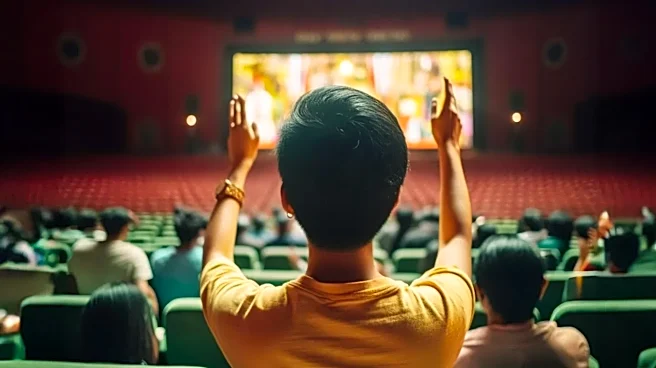
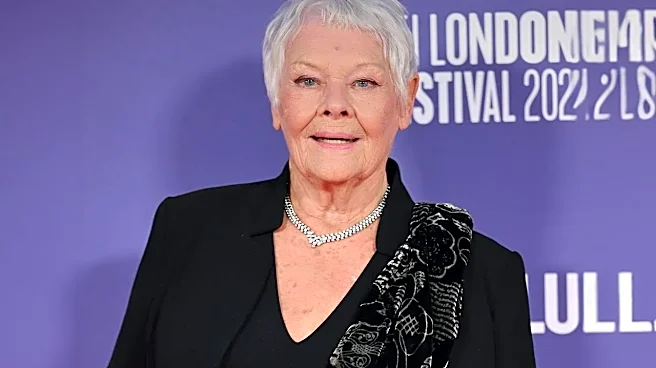
The BFI London Film Festival, which runs from October 7th to the 18th this year, isn't just a series of screenings; it's a shared cultural event. Unlike watching a movie on your couch, a festival environment is charged with anticipation and collective
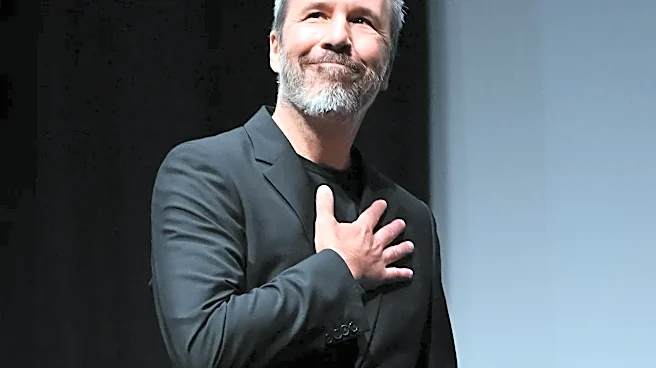
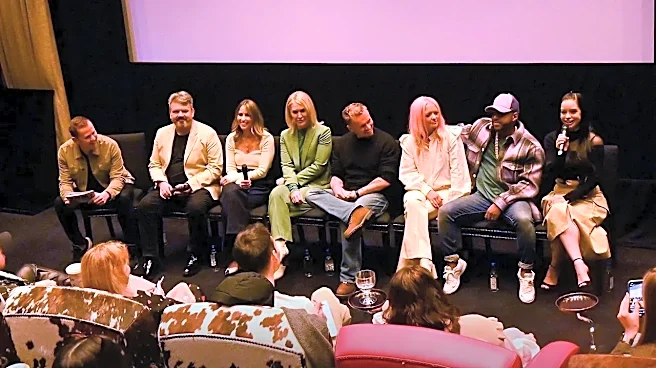
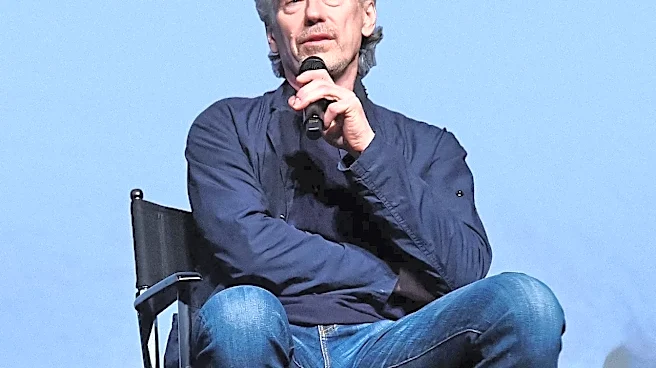
energy. You’re surrounded by cinephiles, critics, and casual moviegoers, all of whom have gathered for a specific purpose: to experience something new together. This sense of occasion creates a heightened emotional state, and as research consistently shows, emotional experiences are stored far more powerfully in our memory. The laughter, gasps, and even the stunned silences of the audience become part of your personal memory of the film. That collective energy is amplified during the frequent post-screening Q&As with directors and actors, a hallmark of the LFF experience that turns a passive viewing into an active dialogue.
The Science of 'Active Recall'
So, why does that post-film coffee and debate matter so much? It’s all about a psychological principle called 'active recall' or 'retrieval practice'. When you simply watch a film, you're passively receiving information. When you start talking about it—summarizing the plot for a friend, debating a character's motives, or trying to piece together a confusing timeline—you are actively retrieving the data from your brain. This process is like flexing a muscle. Each time you pull a memory trace forward to discuss it, you strengthen its neural pathway, making it more stable and easier to access later. That debate over whether the protagonist was truly a hero isn't just idle chatter; it's a cognitive workout that moves the film from your brain's short-term holding bay into its long-term storage.
Building a Shared Story
Humans are hardwired to understand the world through stories. When you discuss a film with others, you are engaging in a collaborative act of storytelling. This process is sometimes called 'collaborative reminiscing'. You are not just re-stating facts; you are co-creating a shared narrative of the experience. Studies on 'mnemonic convergence' show that as people discuss a shared event, their memories of it begin to align. You might forget a minor detail, but the details you all agree on become part of a stronger, shared recollection. This social reinforcement tells your brain, 'This event was important. It was verified by others.' This social tag makes the memory more significant and durable than a memory experienced in isolation.
Emotional Anchors and Deeper Processing
A great film delivers emotional punches. Discussing those moments—the shocking twist, the heartbreaking finale, the hilarious set-piece—anchors the memory in emotion. The amygdala, the brain's emotional processing center, works with the hippocampus (responsible for memory) to flag emotionally charged events as important. Talking about how a scene made you feel reinforces this connection. Furthermore, dissecting a complex film like many of those featured at LFF—from the surreal satire of 'Wicker' to the poignant drama of opener 'Elsinore'—forces you into deeper cognitive processing. You’re not just remembering the surface plot; you’re analyzing themes, questioning directorial choices, and connecting the film to broader ideas. This 'triple encoding'—storing the event, the emotion, and the social context—creates a richer, multi-layered memory that is far less likely to fade.