




The City Built by Its Citizens
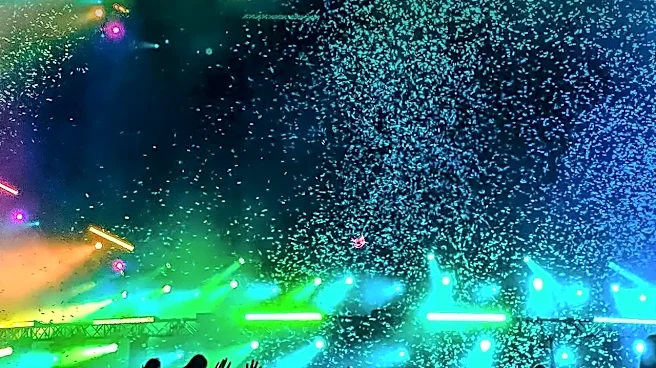
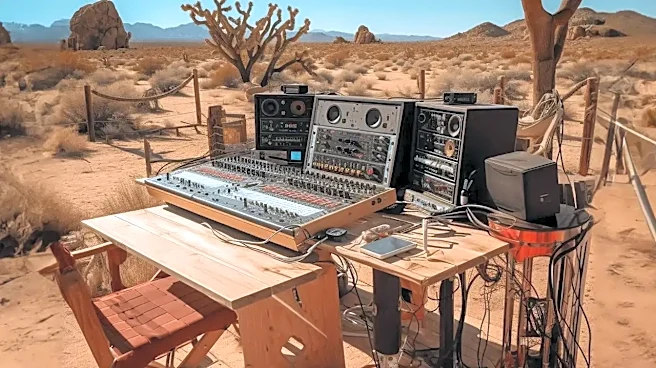
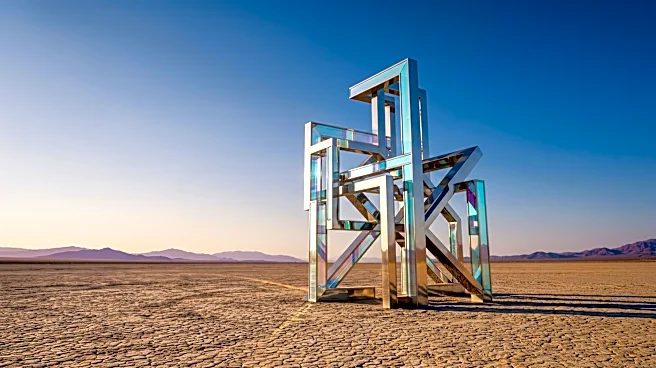
Burning Man is often misunderstood as a chaotic desert music festival, but at its core, it's a massive experiment in temporary community and participatory art. The event operates on a set of guiding ideals, including "Radical Participation" and "Radical Self-expression".
This isn't just a suggestion; it's the event's lifeblood. There are no corporate sponsors, no vendors, and very little pre-planned programming in the traditional sense. The entire city—its art installations, theme camps, performances, and spontaneous happenings—is created by the participants, for the participants. This makes every attendee a co-author of the collective experience. Your contribution, whether it's a giant mobile sculpture, a pancake breakfast for strangers, or simply your unique presence, becomes part of the city's living fabric. The “story” of Burning Man is the one its citizens decide to write together, in real time, on a blank canvas of desert playa.
The Story You Walk Through
Immersive theater, on the other hand, offers a more structured form of co-authorship. Productions like the famous Sleep No More dismantle the traditional stage, inviting audience members to roam through vast, intricately designed environments. While the narrative framework—the characters, plot points, and setting—is pre-determined by the creators, the audience is given agency over how they experience it. You choose which character to follow, which room to explore, and which clues to piece together. This means that every individual crafts their own unique version of the story. Your journey through the performance is your own, distinct from the person standing next to you. You are not writing the plot, but you are the author of your personal path through it, making choices that shape your understanding and emotional arc.
Two Models of Co-Creation
Herein lies the crucial difference. Burning Man offers a generative model of co-authorship. Participants don't just explore a world; they are tasked with building it from the ground up. The experience is an emergent property of thousands of individual creative acts. Immersive theater presents an exploratory model. The world is painstakingly built for you, and your authorship lies in navigating it. It's the difference between being handed a set of tools to build a house versus being given the keys to a mansion and told to find its secrets. Both reject passive consumption in favor of active engagement. One asks, "What will you create?" The other asks, "What will you discover?" Both honor the participant's role, but they empower them in fundamentally different ways.
The Rise of the Experience Economy
This shift from passive observation to active co-creation isn't happening in a vacuum. It’s a hallmark of the “experience economy,” a cultural and market trend where consumers increasingly prioritize memorable experiences over material goods. Modern audiences, raised on the agency of video games and the interactivity of the internet, now expect to be part of the story. They want to feel present, to make choices, and to have an experience that feels uniquely their own. This desire for active participation is reshaping not just festivals and theater, but marketing, education, and community building. Both Burning Man and immersive theater are powerful expressions of this demand, offering profound, personal engagement that a traditional movie or play simply cannot replicate.