

The Dodger Stadium Sprawl
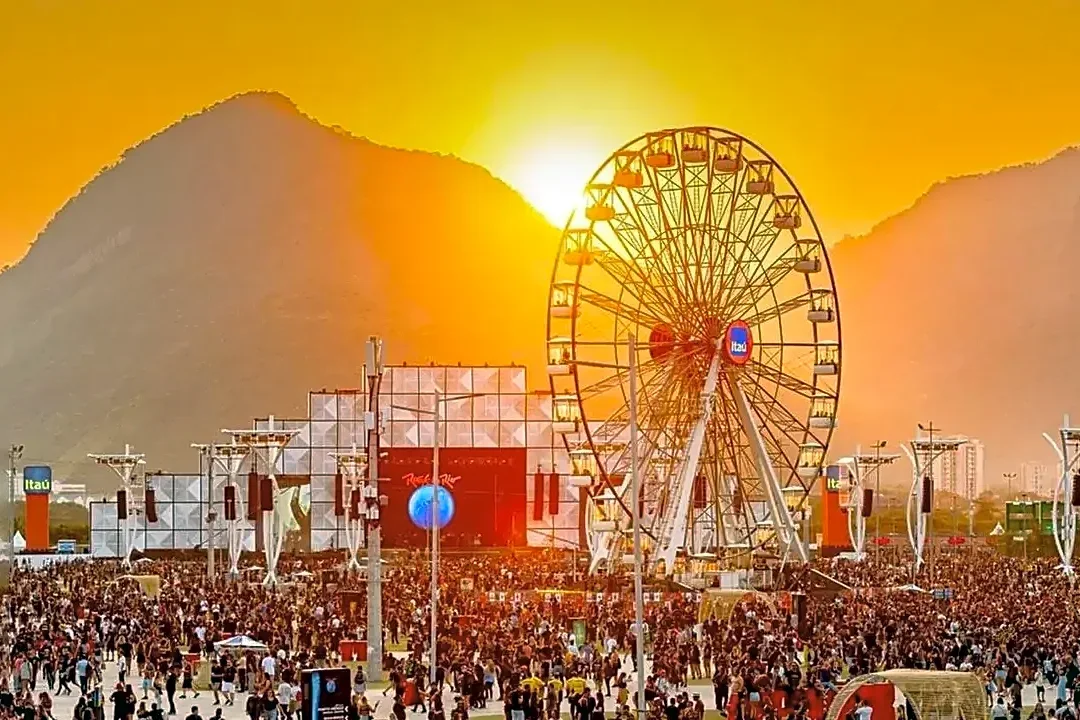
Since moving to Dodger Stadium, Camp Flog Gnaw has transformed from a large event into a sprawling mini-city built on a parking lot. Unlike field-based festivals, this concrete jungle introduces unique variables. The sheer scale means getting from one
end to the other is a significant trek, often a 5-to-10-minute journey without factoring in human traffic. This vastness means attendees are constantly making strategic decisions. Do you commit to a stage for hours to secure a good spot, or do you brave the long walk to catch a few songs from an artist on the opposite side? The hard ground and wide-open spaces also mean sound bleeds and crowd energy disperses differently, turning the entire venue into a series of distinct, yet interconnected, zones. The carnival rides and games, a signature of the festival, are peppered throughout, creating their own smaller hubs of activity and potential congestion.
The Two-Main-Stage Tug-of-War
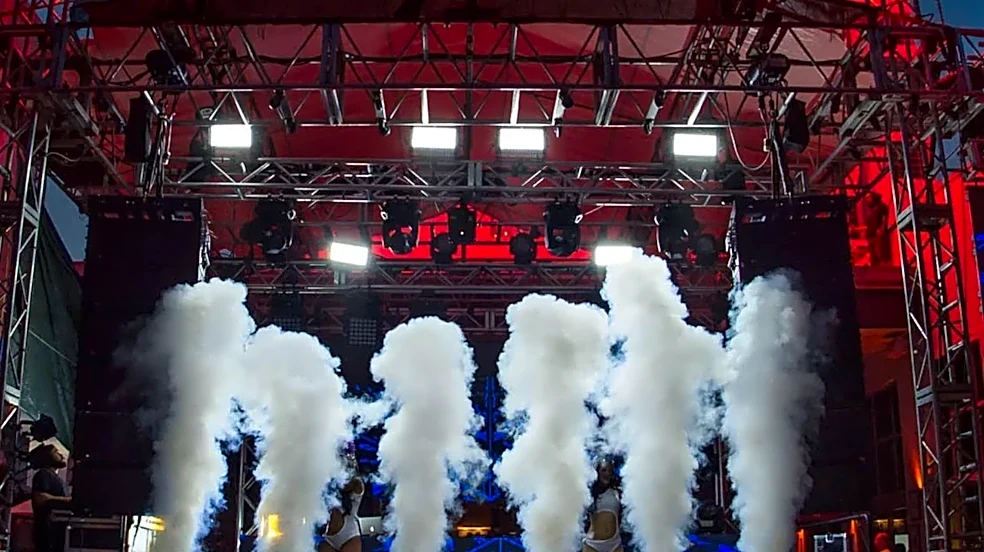
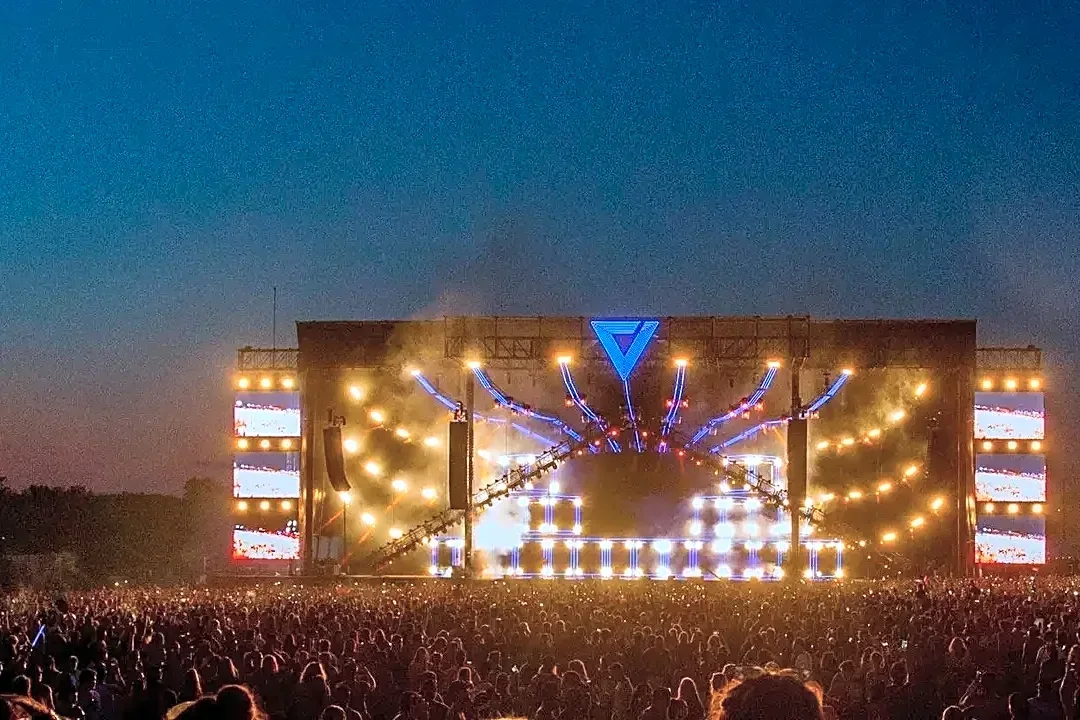
At the heart of the festival's crowd flow is the tension between its main stages, typically dubbed 'Flog' and 'Gnaw'. Organizers often schedule popular, but sonically different, artists against each other, creating a 'two-stage tug-of-war'. One moment, a sea of fans might be swaying to an R&B set at one stage; the next, a massive portion of that crowd peels off, creating a human river flowing toward the other end of the festival for a high-energy rap performance. This setup forces attendees into difficult choices, often sacrificing the end of one set to begin the long journey to the next. The mass migration between these two anchor points is the single largest driver of crowd movement, creating predictable but intense periods of congestion, especially in the pathways connecting them.
The Bottleneck Effect
Every festival has its bottlenecks, but Camp Flog Gnaw's are a core part of the fan experience. The paths between the main stages, often funneling thousands of people through areas constrained by vendor stalls, art installations, or restroom banks, become chokepoints. During the prime-time hours when headliners overlap, these areas can slow to a crawl. Fans report having to 'sprint' or leave sets early just to make it across the grounds for another artist. This isn't just an inconvenience; it shapes how people plan their entire day. Veterans know to build in a buffer of 15-20 minutes for any cross-festival travel. The alternative is to 'camp' at one stage for hours, a common strategy for those who prioritize a front-row view over lineup variety.
Crowd Culture and Etiquette
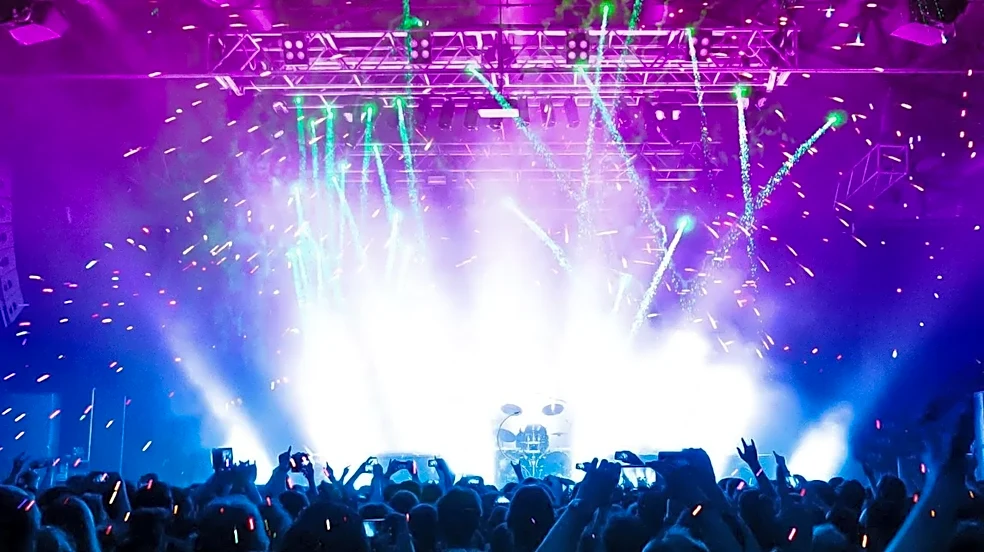
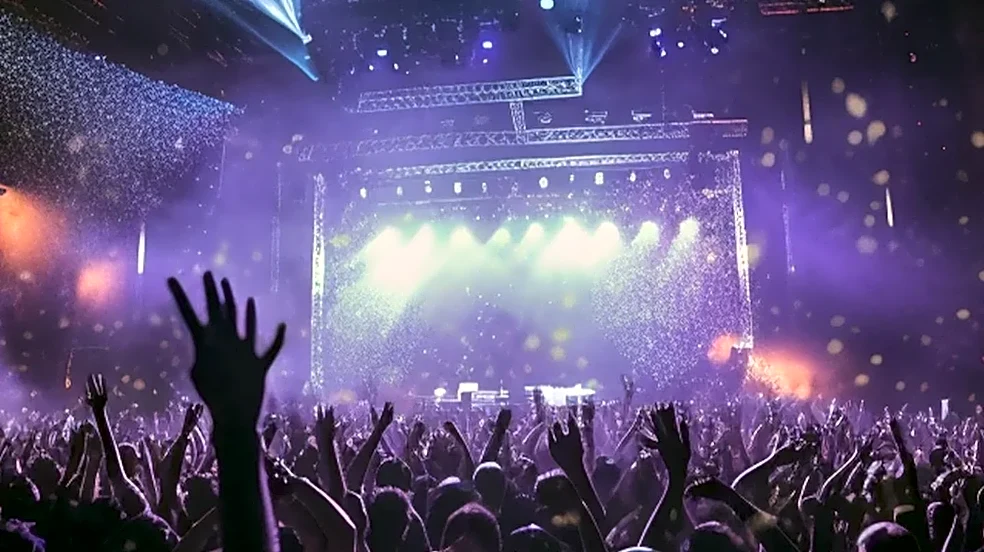
The crowd itself is a major factor. Camp Flog Gnaw attracts a dedicated, often young, and energetic fanbase. This can lead to incredible moments in mosh pits but also to aggressive crowd pushes, especially near the front of the main stages. Fans describe a duality in the crowd: pockets of chill vibes can be found, but the closer you get to a major act, the more intense the environment becomes, with attendees packed tightly together. There's an unspoken etiquette that evolves: experienced attendees know how to move with the flow, find pockets of space, and understand that seeing every single artist is often an impossible goal. For first-timers, the sheer density and movement can be overwhelming, a stark contrast to more spread-out, relaxed festival environments.
How to Navigate the Chaos
Surviving and thriving at Camp Flog Gnaw is a game of strategy. The first rule is to accept you can't see everyone. Prioritize your must-see artists and build your day around them. Use the festival map to understand the key choke points and plan your routes accordingly. If two of your favorites have overlapping sets on opposite stages, you have to make a choice: see the first half of one and the second half of the other, or commit to one fully. Staying hydrated is crucial, but so is knowing that leaving your spot for water or the restroom often means losing it for good. Many regulars suggest picking a side (either Flog or Gnaw) for the latter half of the day to minimize travel and maximize enjoyment, treating the artists on the other stage as a bonus if you can catch them.