

The Allure of Understatement
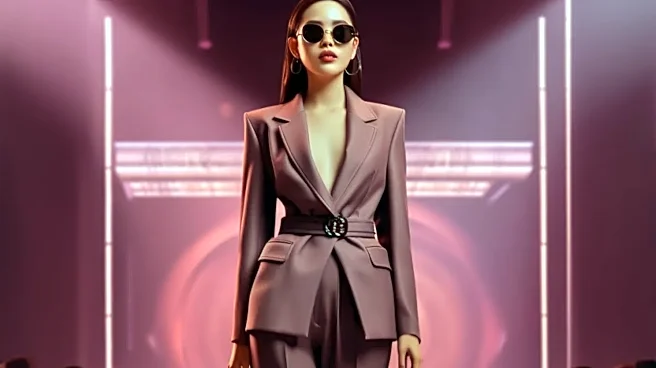
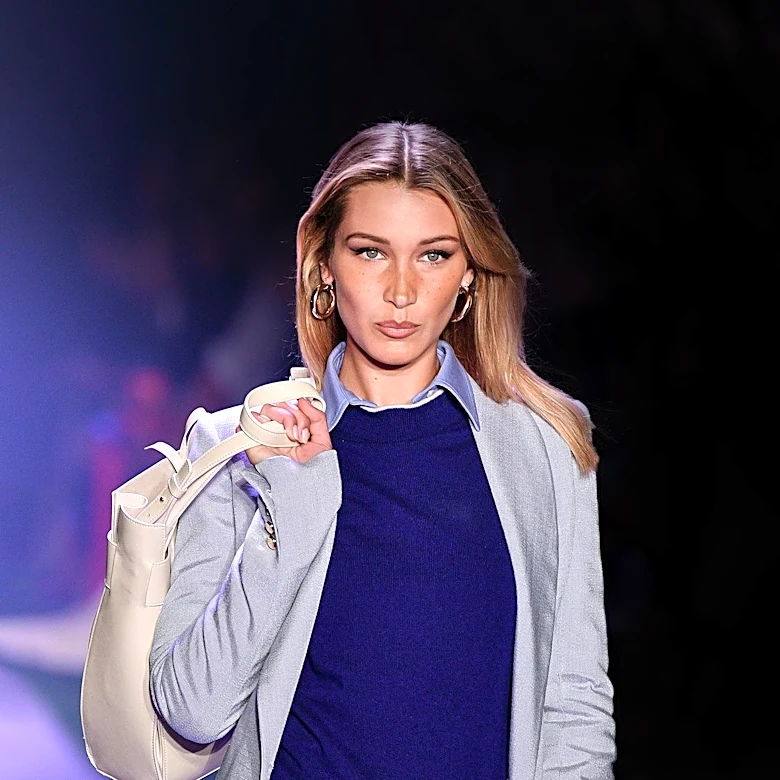
In a world saturated with logos and loud statements, a movement often called 'quiet luxury' has taken hold on the most revered runways. At Paris Fashion Week for Spring/Summer 2027, the trend was clear: minimalism is on the rise, with nearly 28% of looks
embracing a pared-back aesthetic, a significant jump from the previous year. This isn't about being boring; it's the opposite. It is a confident rejection of fleeting trends in favor of something more permanent. A quiet look from a house like The Row or Lemaire doesn't shout for attention. Instead, it communicates its value through impeccable quality and a perfect silhouette, signaling a type of style understood by those who truly appreciate craftsmanship.
Nowhere to Hide: The Craft of Simplicity
A complex, embellished garment can distract the eye, using decoration to hide potential flaws. A simple design, however, has nowhere to hide. Every single element must be executed flawlessly, which is where the intensive design work comes in. This work can be broken down into three key areas. First is the fabric. Designers pursuing this aesthetic often use superior natural materials like silk, fine wool, or cashmere, or even develop innovative, custom textiles. The feel and drape of the fabric are paramount, and a high-quality material holds its shape and signals luxury on its own. Second is the cut. Achieving a seemingly effortless drape requires immense technical skill. Professional tailors and pattern makers spend hours perfecting a garment’s structure, ensuring it hangs perfectly. What appears to be a simple coat might have a complex internal structure or seams engineered to subtly shape how it moves with the body. Finally, it's about the finishing. On a minimalist piece, small details become monumental. Invisible or hand-stitched hems, perfectly aligned seams, functional horn or mother-of-pearl buttons instead of plastic, and pristine interior linings are all signs of couture-level construction that take significant time and labor.
The Designer's Quiet Statement
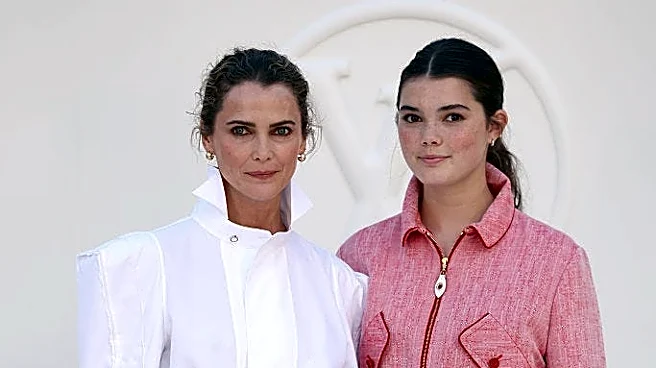
Choosing simplicity is often a philosophical statement. It’s a focus on purity of form and a belief that a garment's value lies in its integrity, not its branding. At the recent Louis Vuitton SS27 show, designer Nicolas Ghesquière noted that while he aimed for a feeling of simplicity and purity, the construction to achieve that lightness was 'extremely complex'. This approach strips away the unnecessary to let the core elements—shape, texture, and color—speak for themselves. By doing so, a designer showcases confidence in their own skill and in the intelligence of their client. They are betting that the wearer will appreciate the long-lasting value and timelessness of a piece built to endure, rather than just a fleeting trend. It's a focus on longevity over disposability, which feels particularly relevant today.
Why It's the Ultimate Status Symbol
In an era of economic uncertainty and a growing consciousness around consumption, the appeal of quiet luxury has intensified. A garment that doesn't scream its price tag but instead whispers its quality has become the new power move. It signals 'horizontal status'—wealth and taste communicated to discerning peers, rather than broadcast to the masses. Owning such a piece is less about the logo and more about appreciating the hours of labor, the superior materials, and the sheer artistry involved. It suggests an understanding that true elegance doesn't need to be loud. It’s a silent recognition of quality, a nod to those who know that the most intricate work often results in the most beautiful, and powerful, simplicity.