





What Is the Historical Cameo Problem?
You know the scene. The main characters, fictional heroes navigating the American Revolution, find themselves in a tight spot. Suddenly, the crowd parts, and there he is: George Washington, astride a white horse, looking impossibly noble. He delivers
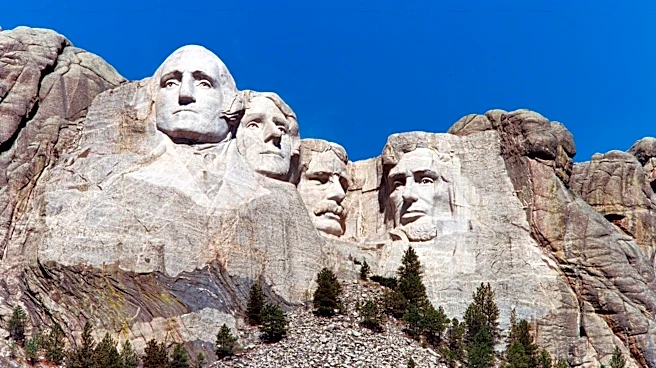
one line of stoic wisdom, perhaps a paraphrased quote from a famous letter, before riding off as the score swells. That’s the historical cameo in a nutshell. It’s when a monumental figure appears on screen just long enough to be recognized, serving as a landmark rather than a living, breathing character. Instead of exploring the person's complexities, the film uses them as narrative shorthand—a quick dose of historical legitimacy or patriotic gravitas. Think of it as the ultimate name-drop, turning multifaceted leaders like Benjamin Franklin or Thomas Jefferson into walk-on roles that exist only to nudge the plot forward or provide a knowing wink to the audience.
Why Hollywood Can't Resist a Good Cameo
Filmmakers and studios love the historical cameo for a few key reasons. First, it’s efficient. Building a deep, nuanced portrayal of a figure as complex as John Adams takes significant screen time, as the acclaimed HBO miniseries demonstrated. A quick cameo, however, bypasses that effort. It borrows the historical weight of the individual without the narrative cost of developing their story. Second, it’s a powerful marketing tool. Attaching a big-name actor to play a famous founder, even for a single scene, generates buzz and adds prestige. It simplifies complex history into easily digestible, trailer-friendly moments. The cameo allows a production to claim it's about the Revolution without getting bogged down in the messy, often contradictory details of the era. It’s a way to have your historical cake and eat it too, pleasing audiences who want to see the 'greats' without alienating those looking for a straightforward adventure story.
The Real Cost of Historical Shorthand
While seemingly harmless, the reliance on cameos flattens our understanding of the past. It reinforces the simplistic “Great Man Theory” of history, suggesting that epic events were driven solely by a handful of famous men. This approach often ignores the vital contributions of lesser-known individuals, women, free and enslaved Black people, and Indigenous nations who were all enmeshed in the Revolution's turmoil. By reducing history to a highlight reel of famous faces, these portrayals strip away the grit, uncertainty, and profound internal conflicts that defined the period. The truth is that the colonies were deeply divided, and the path to independence was far from certain. Turning founders into stoic icons instead of flawed, anxious, and ambitious human beings robs them of their humanity and makes their achievements feel both inevitable and unrelatable.
A Better Way to Tell America's Story
As creators gear up for America 250, they have an opportunity to break this cycle. The solution isn’t necessarily to avoid the Founding Fathers altogether, but to engage with them meaningfully or shift the camera's focus. A story could commit deeply to one figure, exploring their contradictions and character arc. Alternatively, and perhaps more powerfully, filmmakers can tell stories from the ground up. Focus on a soldier in the Continental Army, a spy in occupied New York, a printer’s apprentice, or a family torn apart by loyalties. These narratives can provide a more intimate and authentic window into the era, where figures like Washington might be distant, powerful forces rather than convenient guest stars. By focusing on the personal stakes of ordinary people, historical epics can illustrate the Revolution not as a foregone conclusion orchestrated by legends, but as a chaotic, terrifying, and transformative experience for everyone involved.