





The Moment That Defied Convention
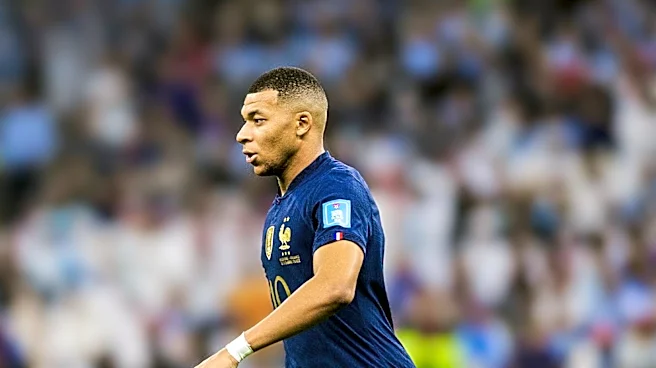
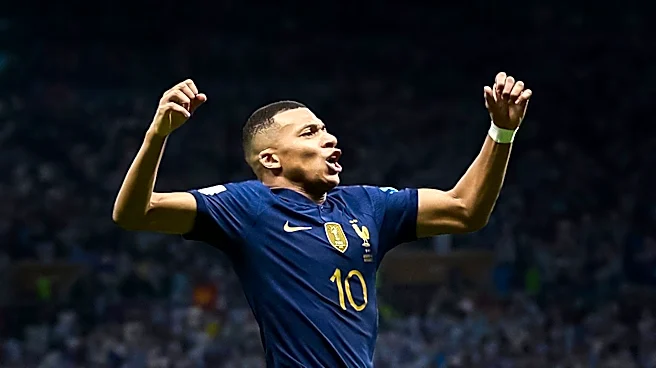
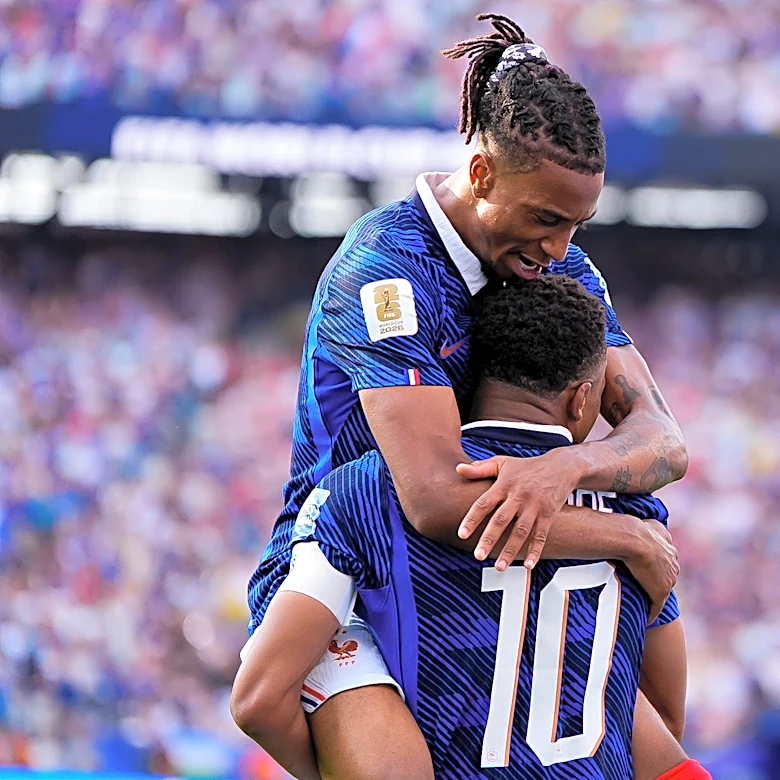
Imagine the scene: The 2026 World Cup Final at MetLife Stadium. It’s the dying seconds of extra time, 1-1 between Italy and France. Kylian Mbappé, the world’s most terrifying forward, breaks free. It’s a one-on-one, a moment that seems preordained to
end in French glory. But from out of nowhere, Italian center-back Alessandro Bastoni executes a perfect, last-ditch slide tackle. It’s not just a tackle; it’s an act of defiance, a masterpiece of timing and courage that sends 80,000 people into a state of shock and awe. Minutes later, the game goes to penalties. Who steps up to take the final, decisive kick for Italy? Not a striker, but Bastoni himself. He drills it into the top corner. Game over. Italy are champions. The hero isn’t the man who scores goals for a living; it’s the man whose entire job is to prevent them. It’s a narrative violation of the highest order, and it’s magnificent.
Why We Worship the Goal Scorer
Let’s be honest: soccer is built on the singular, explosive moment of a goal. It’s the game’s currency. Goals are easy to count, easy to celebrate, and they produce a neurological rush that a well-timed interception just can’t match for the casual fan. Strikers are the rock stars, the marquee names whose jerseys fly off the shelves. Their job is creation and climax. The rest of the team, especially defenders, are often seen as the supporting cast, the diligent roadies who make sure the stage is safe for the main act. Their work is subtle, preventative, and often goes unnoticed unless they make a mistake. A striker can miss four chances and score the fifth to become a hero. A defender can make four perfect plays, but if they slip on the fifth and concede a goal, they become the villain. The glory is inherently weighted toward the offense.
The Unseen Artistry of Defense
What a moment like Bastoni’s hypothetical masterclass does is force us to see the other side of genius. Great defending isn't about destruction; it's an art form built on intelligence, anticipation, and nerve. A top defender has to think like a chess master, constantly reading the geometry of the field, calculating risk, and positioning themselves to extinguish threats before they even ignite. They are masters of an unseen craft: closing passing lanes, organizing the back line, and knowing exactly when to step in or hold off. While a striker needs a moment of inspiration to change a game, a defender needs 90 minutes of flawless concentration. Their heroism is one of quiet consistency, of preventing the very moments of chaos that attackers thrive on. It’s less about brute force and more about imposing a quiet, suffocating order on the game.
A New Kind of Hero for a New Fan?
Perhaps we’re finally ready for a defensive hero. In an age of endless data, tactical analysis channels, and all-access documentaries, fans are more sophisticated than ever. We’re moving beyond just watching the ball and starting to appreciate the complex systems at play. Maybe the casual fan is evolving, learning to find beauty not just in a 30-yard screamer, but in a perfectly timed tackle that required just as much skill and foresight. A hero like this doesn't just win a trophy; he validates the work of every unsung player on every field in the world. He makes it cool to be the player who stops the goal, not just the one who scores it. For decades, legends like Paolo Maldini, Franz Beckenbauer, and Fabio Cannavaro were revered by purists, but now a defensive performance on the world's biggest stage could place a defender at the center of the mainstream story.