

The Proustian Flashback, Remixed
You’ve heard of the “Proust effect,” the phenomenon where a taste or smell—like Marcel Proust’s famous madeleine cookie—triggers a powerful, involuntary memory from the past. Music is arguably an even more potent trigger for these experiences, which researchers
call music-evoked autobiographical memories, or MEAMs. Unlike a simple scent, a song often brings back an entire scene: the people you were with, the feeling in the air, the emotions you felt in that exact moment. It’s not just a memory; it’s a full-body teleportation. Your brain doesn’t file music away like a boring document. It wraps it up with context, emotion, and sensory detail. When you hear that song again, your brain doesn’t just recall the melody; it unpacks the entire package, flooding you with the original experience. Research shows that music can be more effective than other cues at helping people retrieve vivid, detailed memories.
Your Brain on Endorphins
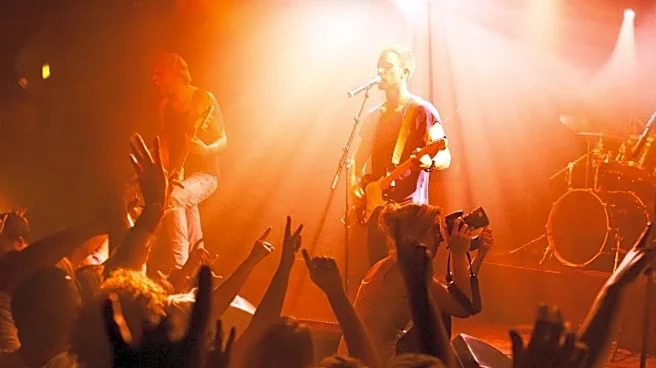
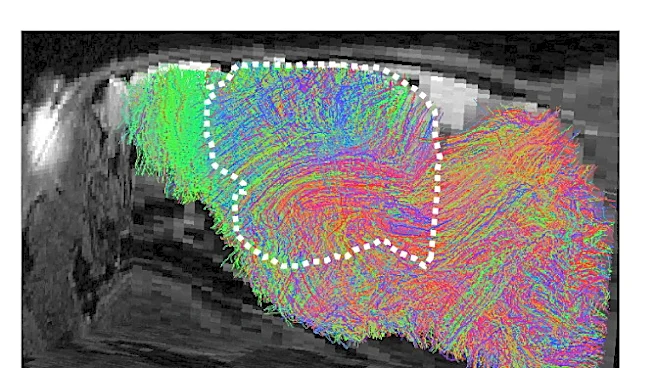
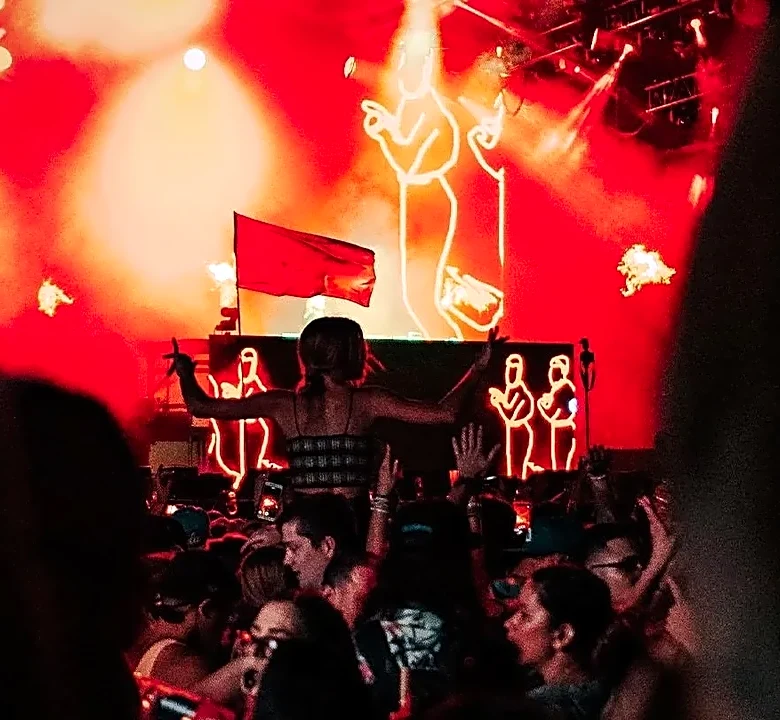
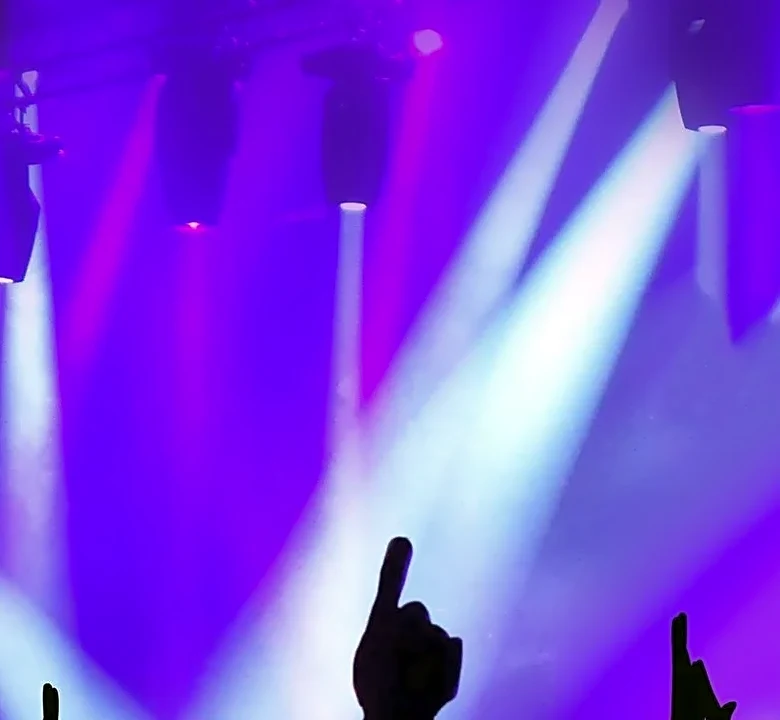
To understand why festival memories are so intense, you have to look at the neurochemistry of the moment itself. Live music, especially in a festival setting, is a perfect storm for creating powerful memories. Listening to music you love triggers a release of dopamine, the brain's pleasure chemical. That climactic build and drop in a dance track? Your brain’s reward system lights up. But at a festival, it’s amplified. The sheer volume of the bass, the dazzling lights, and the energy of the crowd all combine into a high-intensity, multisensory experience. This environment causes a surge in endorphins, intensifying positive emotions. Your brain’s memory and emotion centers—the hippocampus and the amygdala—are working overtime, essentially highlighting the experience and saying, “This is important. Remember this.” The intense emotion you feel helps to solidify the memory, making it more vivid and easier to recall later.
The Power of the Pack
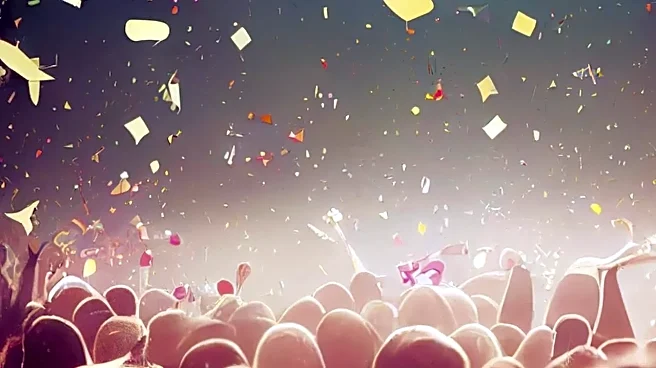
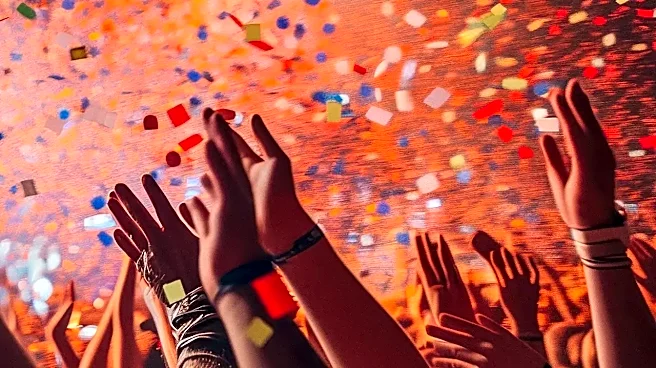
The memory isn’t just yours; it belongs to the crowd. A key ingredient in the magic of a festival anthem is a phenomenon sociologists call “collective effervescence.” It’s that feeling of unity and euphoria that comes from sharing an intense experience with a large group of people. When thousands of people sing the same chorus or dance to the same beat, a powerful sense of connection is formed. This shared experience releases oxytocin, often called the “bonding hormone,” which promotes feelings of trust and empathy. So when you hear that festival song later, you’re not just remembering the music. You’re remembering the feeling of being part of something larger than yourself. You’re recalling the visual of a sea of people moving as one, the sound of their voices alongside yours, and the profound, if fleeting, sense of community. That social bond becomes deeply embedded in the memory of the song itself.
An Anthem Is Born
Not every song has this power. Festival anthems are often tailor-made for these moments, even if unintentionally. They typically feature simple, repetitive choruses that are easy to sing along to, and emotional crescendos that encourage mass participation. The shared anticipation of a favorite lyric or a famous beat drop builds a collective tension that gets a massive payoff. Artists and DJs who play to massive festival crowds are masters of this dynamic, crafting their sets to create emotional arcs that the entire audience can ride together. A song becomes a landmark, a shared moment in time for everyone present. Hearing it again doesn't just remind you of what you heard; it reminds you of who you were and who you were with in that unique, unrepeatable moment. It’s a sonic souvenir from a time you felt completely alive, connected, and free.