




The Carrie Bradshaw Effect
You can’t talk about tulle without picturing Carrie Bradshaw navigating a New York City sidewalk. The opening credits of 'Sex and the City,' featuring Sarah Jessica Parker in a simple tank and a frothy white tutu, single-handedly lifted the garment from
the costume box and placed it into the high-fashion lexicon. That skirt, famously found by costume designer Patricia Field for just $5 in a showroom bucket, became one of the most iconic looks in television history. It wasn't just clothing; it was a metaphor for the character herself: whimsical, romantic, and unapologetically individual in the heart of a gritty city. This moment cemented the tulle skirt in the American imagination as an emblem of quirky, confident, urban femininity. It gave a generation of women permission to embrace the playful and impractical.
From Ballet Stage to Street Style
Of course, the tulle skirt existed long before it was splashed by a Manhattan bus. Its story begins with 19th-century ballet, where layered, lightweight tulle was used to create the ethereal costumes for dancers like Marie Taglioni in 1832. For decades, it remained largely confined to the stage and bridal wear. But fashion disruptors saw its potential. In the 1950s, Grace Kelly wore a voluminous tulle number in 'Rear Window,' hinting at its glamorous possibilities. Later, designers like Jean Paul Gaultier and pop stars like Madonna played with its feminine connotations, pairing it with leather and lingerie to give it a rebellious edge. This history is crucial; it shows the skirt’s evolution from a symbol of idealized femininity to a versatile tool for self-expression.
The Art of the High-Low Mix
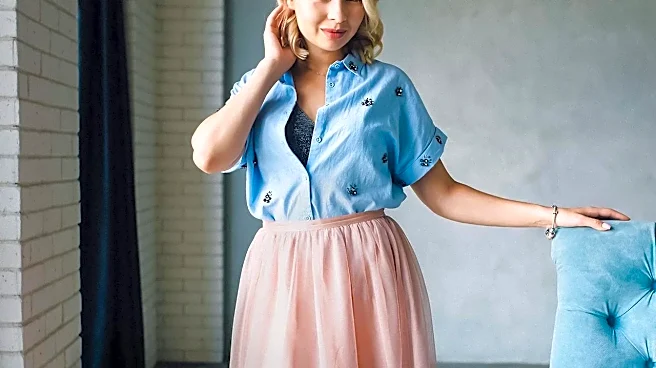
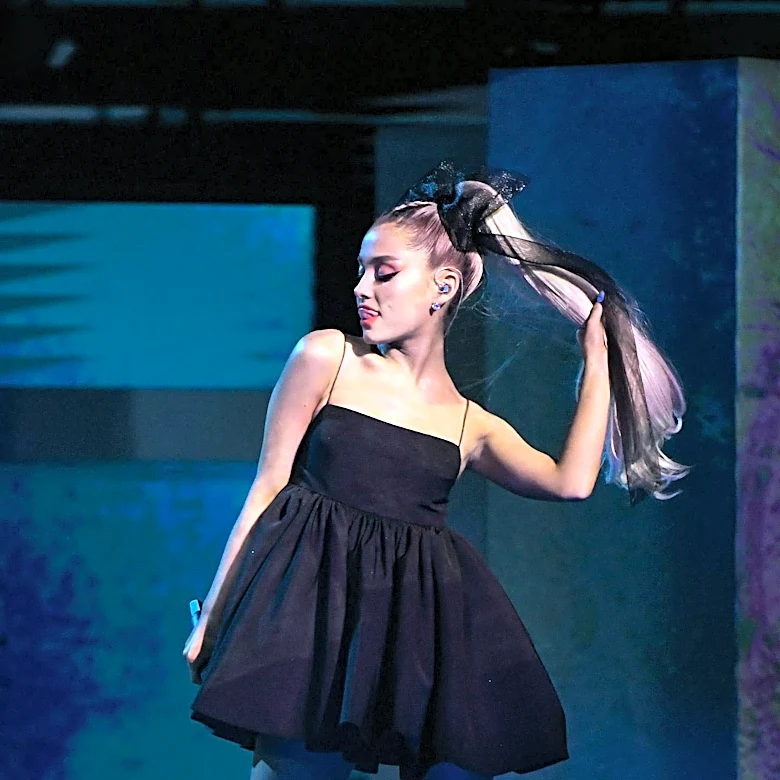
The true mark of a well-dressed American isn't just owning expensive things; it’s knowing how to mix them. The tulle skirt is the perfect canvas for this high-low styling. Its inherent fantasy and formality beg to be dressed down. Paired with a simple t-shirt, a chunky knit sweater, a denim jacket, or even a pair of sneakers, the skirt becomes instantly modern and wearable. This juxtaposition is key. The fanciness of the tulle is grounded by the casualness of a wardrobe staple, creating a look that is both effortless and intentional. It signals a certain fashion literacy—an understanding that style isn't about following rigid rules but about creating harmony between unexpected pieces. It's this balance that transforms the wearer from someone playing dress-up into someone with a distinct point of view.
A Quiet Statement of Confidence
In a world dominated by athleisure and quiet luxury, choosing to wear a tulle skirt is a deliberate act. It's not a trend you adopt for comfort or to blend in. It’s a garment that takes up space, bounces when you walk, and often starts conversations. Wearing one says you’re not afraid to be looked at, to be a little extra, to embrace joy and whimsy in your daily life. It quietly communicates a deep sense of self-assurance. It suggests that the wearer’s confidence is an inside job, and their clothing is merely an outward expression of that. The tulle skirt isn’t for the fashion-faint-of-heart; it's for the person who dresses for themselves, finding power in the playful and strength in the soft.