






The Rhythm of the Game
Unlike American football, with its constant stops, huddles, and ad breaks, soccer flows. For 45 minutes at a time, the clock runs continuously. But within that flow are distinct rhythms: periods of frantic, end-to-end action and long stretches of patient,
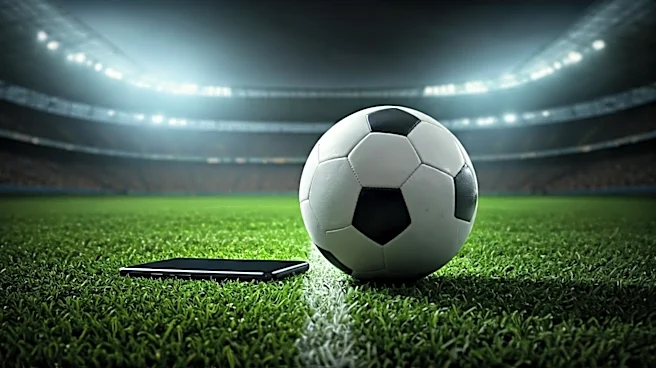
methodical midfield play. It’s during these lulls—when teams are passing the ball around the backfield, probing for an opening that may not come for several minutes—that the second screen becomes essential. It’s the perfect window to check a text, see what the social media world is saying, or look up a player’s stats without missing a critical moment. The game’s structure provides natural, low-stakes opportunities for your attention to wander and then snap back when the crowd’s roar signals a change in tempo.
The Global Watercooler
A World Cup or Euros match isn't just a game; it's a global event. Your friends are watching, but so are millions of people in London, Lagos, and Lima. The second screen—specifically platforms like X (formerly Twitter) and Reddit—is the digital stadium where this worldwide conversation happens in real time. It’s where you can share in the collective gasp after a near-miss, join the universal outrage over a bad call, or celebrate a stunning goal with strangers who are suddenly your closest allies. Watching the game on TV gives you the official broadcast; watching the feed on your phone gives you the unfiltered, chaotic, and often hilarious pulse of the global fanbase. It transforms a solo viewing experience into a massive communal one.
Instant Analysis and Endless Debate
Did his foot cross the line? Was that a handball in the box? Why did the manager substitute his star striker? The broadcast commentators can only cover so much, and often with a built-in delay. Your phone offers instant gratification. Within seconds of a controversial play, you can find slow-motion replays from a dozen different angles, posted by armchair analysts online. The rise of Video Assistant Referee (VAR) has supercharged this behavior. The on-field delay while the referee reviews a play is a built-in prompt to open your phone and join the digital debate, dissecting the play frame by frame long before the official decision is announced. The second screen has become an indispensable tool for fans who crave deeper analysis and want to form their own opinions.
The Meme and Culture Machine
Major tournaments are powerful engines of internet culture. A manager’s theatrical sideline antics, a player’s bizarre goal celebration, or an oddly compelling shot of a fan in the stands can become a viral meme in minutes. These moments often have little to do with the game's outcome but everything to do with its texture and shared experience. Missing the birth of the tournament’s defining meme because you weren’t online is like leaving a party before the best inside joke is told. The second screen is the only way to keep up with the rapid-fire humor and cultural commentary that now forms a rich, unofficial layer of entertainment on top of the sport itself.
An On-Demand Encyclopedia for Casual Fans
For many Americans, a major tournament is their biennial or quadrennial dive into the world’s most popular sport. This can be intimidating. Questions abound: What, exactly, is the offside rule again? Who is this 19-year-old phenom from Croatia? Why do England and Germany have such a historic rivalry? The second screen acts as a real-time encyclopedia. Instead of feeling lost, a casual viewer can quickly look up a player’s club team on Wikipedia, get a primer on a team's tactical formation from a soccer blogger on X, or simply ask a question in a Reddit match thread. It lowers the barrier to entry, allowing newcomers to quickly get up to speed and feel more connected to the narratives and history that make the tournament so compelling.