







The Anatomy of a Pop-Up City
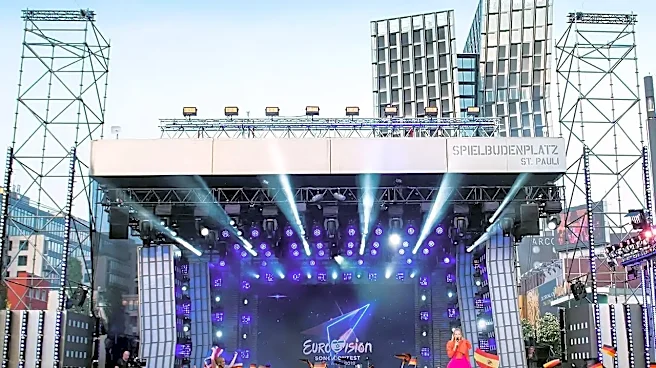
The transformation from public park to festival metropolis is a logistical marvel. Weeks before the first guitar riff, construction begins on a city-within-a-city. Fences snake across the 350-acre park, nine stages rise from the fields, and miles of electrical
cables are laid. This temporary city hosts 75,000 attendees per day over two three-day weekends, creating a population density that requires its own infrastructure for everything from water to waste. Free water-refilling stations are placed throughout the grounds to keep attendees hydrated, and a massive recycling and composting program works to minimize the environmental footprint. The entire operation is a feat of temporary urban planning, designed to appear and disappear within a matter of weeks.
An On-Site Economy
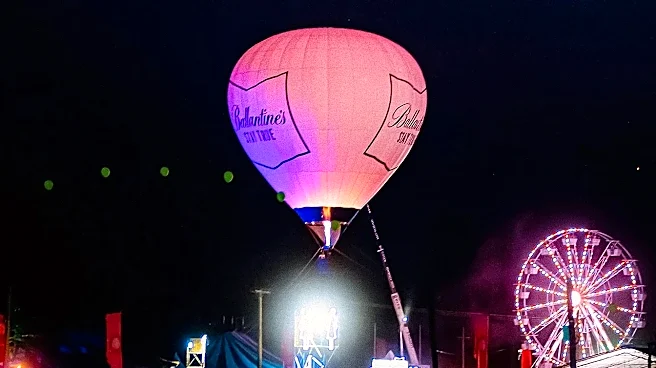
This temporary district is also a powerful economic engine. The centerpiece is ACL Eats, a sprawling food court modeled after the New Orleans Jazz Fest, which showcases dozens of local Austin restaurants. You'll find everything from Franklin Barbecue to Torchy's Tacos, turning the festival into a culinary destination in its own right. Beyond food, major brands create elaborate experiential marketing activations. T-Mobile's 'Club Magenta' offers a shaded lounge with free drinks, while other sponsors provide photo booths, phone charging stations, and exclusive merch. It’s a full-fledged commercial hub where festival-goers can eat, drink, shop, and engage with brands, all without ever leaving the park grounds.
More Than Just the Main Stage
Like any real district, the festival grounds have different 'neighborhoods' catering to various interests. Austin Kiddie Limits provides a family-friendly space with its own activities and stage. An art market features dozens of vendors, while other areas are dedicated to wellness and relaxation. The 'Bonus Tracks' stage hosts spoken-word performances and interviews, offering a break from the music. And for those who can't get enough, the music continues after hours with ACL Fest Nights, where festival artists play smaller club shows across Austin. These diverse offerings create a multi-faceted experience, ensuring the festival is more than just a series of concerts but a comprehensive cultural event.
The Great Disappearing Act
Perhaps the most impressive part of the transformation is its reversal. Once the final encore fades, crews begin the painstaking process of dismantling the city and restoring Zilker Park. The partnership between festival producer C3 Presents and the Austin Parks Foundation is crucial here. A portion of every ticket sold goes directly to the foundation, which has generated over $79 million for park improvements across the city since 2006. This funding not only covers the intensive post-festival restoration of Zilker's turf—a process of aeration, watering, and fertilization—but also finances new playgrounds, trail maintenance, and other projects throughout Austin’s park system. Within weeks, the stages are gone, the fences come down, and the temporary entertainment district vanishes, leaving the green grass of Zilker Park ready for its residents once more.