





Beyond the Basics You've Mastered
For decades, the skincare gospel has been clear: cleanse, treat, moisturize, and protect. By your 60s, you’re likely an expert in applying daily SPF 30+, choosing fragrance-free products to avoid irritation, and using a rich moisturizer to combat the dryness
that comes with age. Many have also incorporated well-studied ingredients like retinol to encourage cell turnover or vitamin C to brighten the skin. These steps are the bedrock of a healthy routine. But as skin continues to change, becoming thinner and more delicate, the old playbook of aggressive anti-aging treatments isn't always the right one. The next frontier in mature skincare isn't about adding another harsh active, but about a fundamental change in approach.
The Hidden Step: A Shift to Structural Support
The single most important step many people miss is the shift from an aggressive, corrective mindset to a gentle, supportive one. Dermatologists are increasingly emphasizing that the primary goal for skin in its 60s, 70s, and beyond is to protect its thinning structure and support its foundational barrier. As we age, the skin's outermost layer, the skin barrier, weakens. This “brick and mortar” wall, made of skin cells held together by lipids like ceramides, becomes less efficient at retaining moisture and keeping irritants out. At the same time, the body’s production of collagen and elastin—the proteins that provide firmness and bounce—declines significantly. The hidden step, therefore, isn't a single product, but a strategy: stop thinking about fighting aging and start thinking about fortifying your skin's remaining strength.
What Fortifying Your Skin Actually Means
Adopting a supportive skincare strategy involves two key actions. First, prioritize healing and protecting your skin barrier. This means using creamy, non-foaming cleansers that don't strip the skin of its natural oils and applying moisturizers packed with barrier-repairing ingredients like ceramides, hyaluronic acid, and glycerin. Many dermatologists now advise pausing or reducing the frequency of harsh exfoliants and high-strength retinoids if your skin shows signs of irritation, like redness or stinging. Second, incorporate ingredients that act as building blocks for the skin. Peptides are a prime example. These short chains of amino acids send signals to your cells to produce more collagen and elastin, helping to improve firmness and elasticity from within. Unlike some harsher actives, peptides work to support the skin’s existing structure, making them ideal for more fragile, mature skin.
Gentle Application Is as Important as the Product
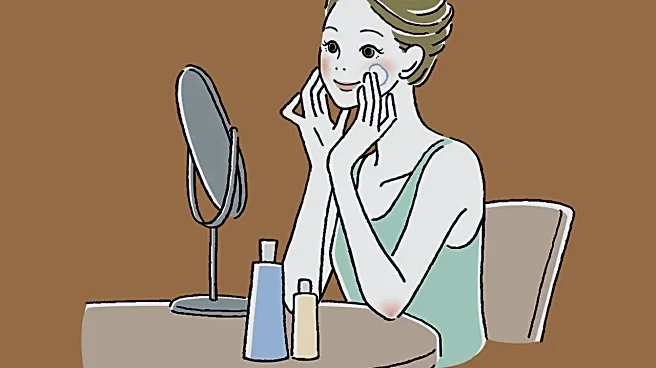
How you apply your products also becomes a critical part of this supportive approach. Thinning skin is more susceptible to bruising and damage, so rough handling is out. Instead of vigorously rubbing in serums and creams, use a gentle patting or light massaging motion. This not only prevents unnecessary stress on the skin but can also provide a secondary benefit. Some experts note that gentle facial massage can help stimulate skin cells and promote healthy function, adding another layer of support to your routine. This careful application should extend to your entire routine, from cleansing with lukewarm—not hot—water to patting your face dry with a soft towel.
Don't Neglect the Neck, Chest, and Hands
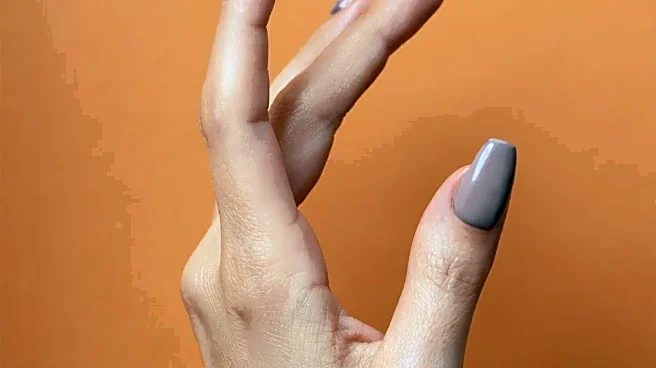
Finally, this supportive strategy must extend beyond your jawline. The skin on the neck, chest (décolletage), and hands is even thinner and has fewer oil glands than the skin on your face, often showing signs of aging more prominently. Yet, these areas are frequently overlooked. One of the most common mistakes is failing to apply serums, moisturizers, and—most importantly—sunscreen to these areas daily. Treating the neck and hands with the same supportive care as your face ensures you are protecting all of your skin, preserving its health and integrity for the long term.