


The Power of the First Frame
Think about the best TV pilots you’ve ever seen. The first episode of "Breaking Bad" doesn't open with a lengthy monologue about a teacher's mid-life crisis; it shows a frantic man in his underwear driving an RV through the desert. This single, bizarre
image tells you everything you need to know about the show's tone: chaotic, desperate, and darkly comedic. A pilot has less than an hour to build a world, introduce a cast, and convince you to come back next week. To do this, it can’t rely on words alone. Production designers and directors use the visual environment to do the heavy lifting. The opening shots of "Lost"—a man waking up disoriented in a jungle, the sounds of chaos, and then the sprawling beach wreckage—immediately establish confusion, scale, and survival as the core themes. It’s a perfect example of showing, not telling, on a grand scale.
Speaking Through Color
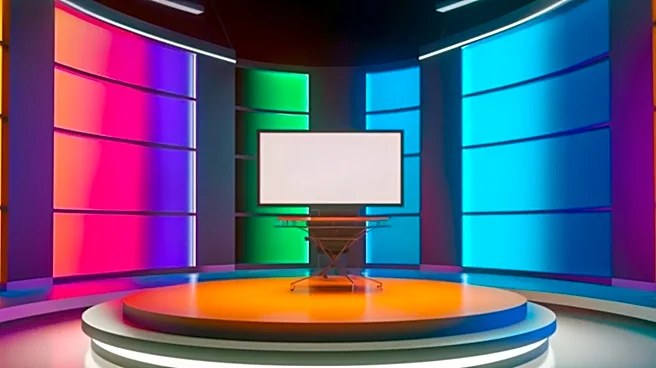
Color is one of the most powerful and subliminal tools in visual storytelling. A show's color palette sets the mood before a character even speaks. In a gritty crime drama, you’ll often see a desaturated, blue-or-gray-toned world that feels cold and oppressive. In contrast, a sitcom like "Abbott Elementary" uses bright, warm colors to create a feeling of optimism and community. Color grading can differentiate between timelines or locations, helping the audience keep track of complex narratives. A flashback might be rendered in a hazy, golden light to signify nostalgia, while the present day remains crisp and sharp. Shows use this psychological shorthand to guide your emotional response, associating certain colors with danger, safety, passion, or sterility, all without you consciously realizing it.
Wardrobe as a Shortcut to Character
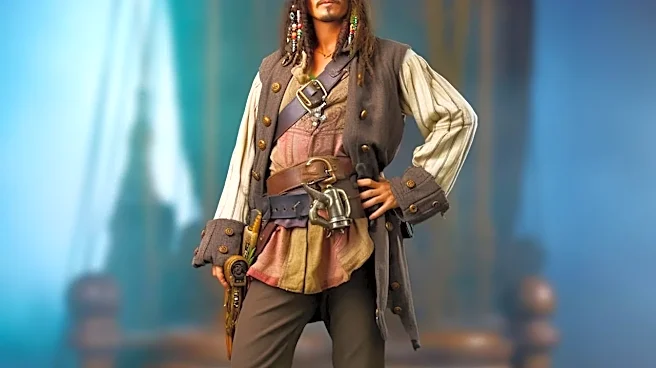
In a TV premiere, there's no time for a detailed backstory for every character. That's where costume design comes in. A character's wardrobe is their biography in fabric. A perfectly tailored suit on Harvey Specter in the "Suits" pilot tells us he is successful, confident, and detail-oriented. A well-worn leather jacket suggests a rebellious past, while a brightly patterned dress might signal an eccentric personality. Costume designers work to create looks that feel chosen by the character, reflecting their social status, aspirations, and inner conflicts. A character undergoing a major life change will often signal it with a new haircut or a completely different style of clothing. This visual transformation is a powerful, immediate way to communicate internal development to the audience.
The Set Is Also a Character
The spaces characters inhabit are extensions of who they are. Production design is the art of building these worlds, and a great pilot uses its sets to tell a story. Is a character's apartment meticulously clean and minimalist, or is it a chaotic mess of books, takeout containers, and half-finished projects? Each choice tells you something different about their personality and priorities. The iconic apartment in "Friends" or the sterile, intimidating boardroom in "Succession" are more than just backdrops; they are active participants in the story. They influence how characters interact and reveal their socioeconomic status and values. The premiere of "The Sopranos," for instance, masterfully contrasts Tony's suburban mansion with the stark, impersonal office of his therapist, visually externalizing his central conflict.