



The Early Days: Sci-Fi Masquerades and DIY Spirit
Before it was called cosplay, it was simply “costuming.” The tradition’s roots go back to the very first science fiction conventions in the late 1930s, where a few brave fans like Forrest J. Ackerman showed up in homemade “futuristicostumes”. This spirit
of dressing up carried over to early comic book conventions. San Diego Comic-Con’s first official “Masquerade” contest was held in 1974, when the entire event had fewer than 2,000 attendees. The vibe was pure passion. Costumes were often charmingly low-fi, cobbled together with whatever materials were on hand, from cardboard and fabric scraps to found objects. It wasn't about perfect replication but about celebrating a shared love for a character or story in a community of like-minded fans.
The Blockbuster Injection: Star Wars and Anime
The late 1970s and 1980s changed everything. The release of Star Wars in 1977 presented fans with a universe of iconic, detailed designs for droids, Jedi, and armored villains that demanded more than a simple tunic. Around the same time, the increasing popularity of anime in the U.S. introduced a new visual language and a host of characters with vibrant, complex outfits. In 1984, Japanese reporter Nobuyuki Takahashi, after visiting a U.S. sci-fi convention, coined the term “cosplay” — a portmanteau of “costume” and “play” — because he felt “masquerade” was too old-fashioned to capture the performative, character-driven nature of what he saw. The term stuck, and the bar for creativity and accuracy began to rise.
The Internet Changes the Game
The rise of the internet in the late 1990s and early 2000s was the single greatest accelerant in cosplay’s evolution. Suddenly, a lone costumer in their garage could connect with a global community. Online forums and websites became digital libraries for sharing patterns, techniques, and reference photos. If you wanted to build a perfect Stormtrooper helmet, there were now dozens of people who had already documented the process. Social media platforms like Instagram and TikTok later turned this community into a showcase, allowing creators to share their work-in-progress shots and finished masterpieces with millions. This digital connectivity not only democratized knowledge but also fostered a culture of friendly competition and shared improvement.
A Material World: Foam, Plastic, and 3D Printers
For decades, complex armor was the domain of a few highly skilled craftsmen. The arrival of new materials changed that. Lightweight, versatile EVA foam—the same stuff used in floor mats—became the go-to for building intricate armor that was both durable and comfortable. Then came thermoplastics like Worbla, which can be heated and molded into complex shapes, allowing for an incredible level of detail on props and armor pieces. The most recent revolution has been 3D printing. Now, cosplayers can digitally design and print perfectly screen-accurate helmets, accessories, and weapon components that were once impossible for a hobbyist to create. These technological advancements have dramatically closed the gap between fan-made costumes and professional movie props.
From Hobby to Profession: The Modern Cosplay Scene
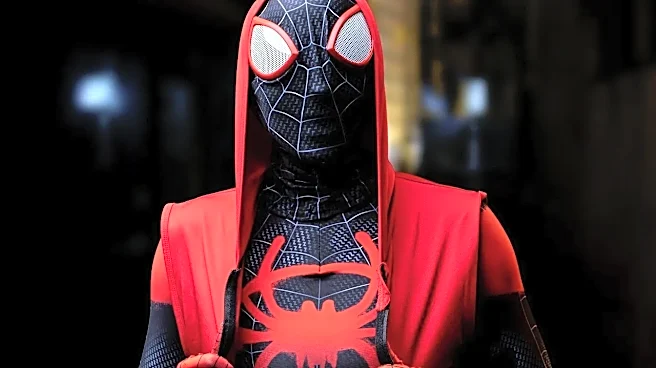
Today, cosplay is a multi-faceted global culture. At the highest level, it has become a profession. Popular cosplayers command appearance fees at conventions, land brand sponsorships, and make a living from selling prints and merchandise. Major conventions host elaborate competitions with significant cash prizes, celebrating not just the look of a costume but the craftsmanship and performance. Yet, even as this professional tier has emerged, the hobby’s original spirit endures. For every hyper-accurate Iron Man suit, you’ll find dozens of clever, funny, or creative interpretations, from character mashups to “closet cosplays” focused on comfort and wit. The scene has grown to include everyone from the serious artisan to the casual fan who just wants to wear a cool, character-inspired shirt.