
The Tyranny of the Clock
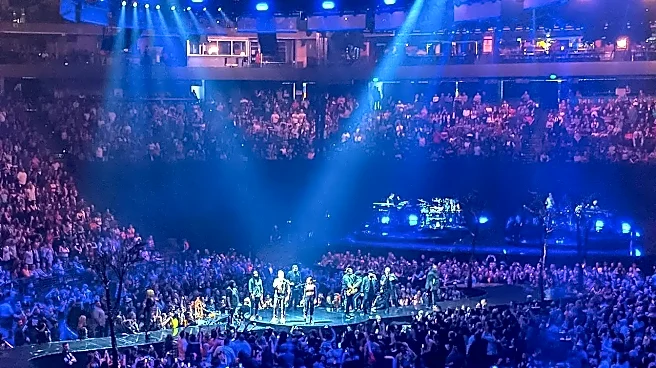
The single greatest challenge in adapting a show isn't space; it's time. For a headlining arena show, a production crew has the entire day to load in, build the stage, run diagnostics, and soundcheck. It’s a meticulous, hours-long process. At a multi-act
festival, that entire changeover—from the previous act's gear leaving the stage to the headliner's first note—can be as short as an hour, and sometimes mere minutes for earlier acts. This brutal time crunch dictates every other decision. There is no time to build elaborate sets or troubleshoot complex automation. Production managers must design a version of the show that can be rolled on, plugged in, and operational in a fraction of the usual time, all while coordinating with festival staff who are managing the same process for a dozen other artists.
A Stage on a Diet
The sprawling, multi-level stages of an arena tour, complete with catwalks, B-stages, and hydraulic lifts, are the first casualties. These custom structures can take days to assemble, sometimes requiring multiple identical stages to leapfrog between cities. For a festival, the production pivots to what the industry calls a “rolling” or modular setup. Instead of building a stage from scratch, crews load pre-assembled set pieces onto wheeled risers. Massive, custom-built video screens are replaced with the festival's standardized LED walls. Intricate pyrotechnics and automated lighting rigs are scaled back dramatically or cut entirely. The goal is to preserve the spirit of the arena show's design, not its exact form. It’s about creating visual impact with elements that are efficient and work on a stage that wasn't built for them.
The Set List Shuffle
Shrinking a two-and-a-half-hour arena narrative into a 75- or 90-minute festival set is an art form. It’s not just about cutting the B-sides. Arena shows are designed for a captive audience of dedicated fans, allowing for slower moments, deep cuts, and experimental interludes. A festival crowd is different. It’s a mix of die-hard fans, casual listeners, and curious newcomers. The setlist must be re-engineered for maximum energy and broad appeal. This often means a relentless onslaught of hits, anthems, and high-energy tracks. The slow, acoustic ballad that works in a darkened arena might kill the momentum on a sun-drenched field. The show becomes less of a chapter-by-chapter story and more of a highlight reel, designed to win over a diverse audience and create a memorable, high-impact moment.
Lighting and Sound for the Open Air
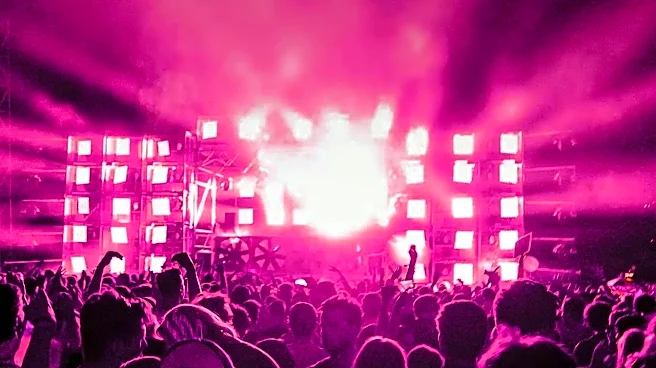
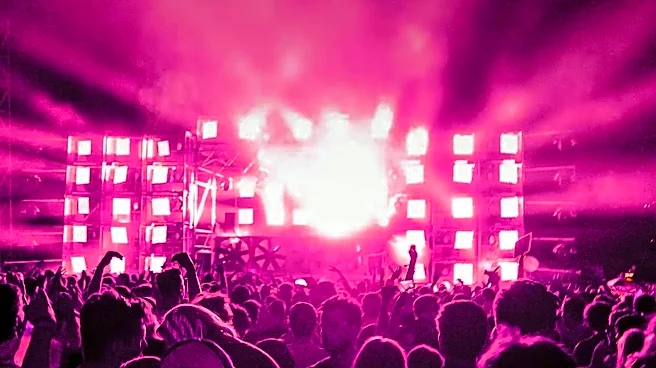
In an arena, the production team commands total darkness, allowing lighting designers to paint with precision. Outdoors, especially during daylight or sunset slots, they are competing with the sun. This forces a complete change in strategy. Subtlety is replaced by boldness. Haze and fog become essential tools, not just for atmosphere, but to make light beams visible in the open air. Sound also presents a different challenge. Arena audio is tuned for a specific, enclosed room. Festival sound systems are massive line arrays designed to cover a vast, open field with unpredictable acoustics and weather. The mix has to be broader and more powerful, often sacrificing some of the intricate detail you'd hear indoors to ensure the performance has impact hundreds of yards away.
The Performer's Pivot
Finally, the artist’s performance itself must adapt. The finely tuned choreography and scripted banter that connect with fans in an arena can feel stiff or distant at a festival. The energy is more chaotic and reciprocal. An artist has to project their charisma over a much larger, more distracted space and connect with an audience that isn't entirely their own. This often leads to a more visceral, spontaneous performance. Without the safety net of massive props and automated cues, the focus returns entirely to the performer and the music. It requires a different kind of showmanship—one rooted in raw energy and the ability to command a shared, unpredictable outdoor space.