

Start with Silhouette and Proportion
The most important rule for avoiding a costume-like result is to manage the silhouette. The key is balance. If your dress is voluminous or flowy, opt for slim, straight-leg, or tapered trousers to anchor the look. This contrast prevents the outfit from
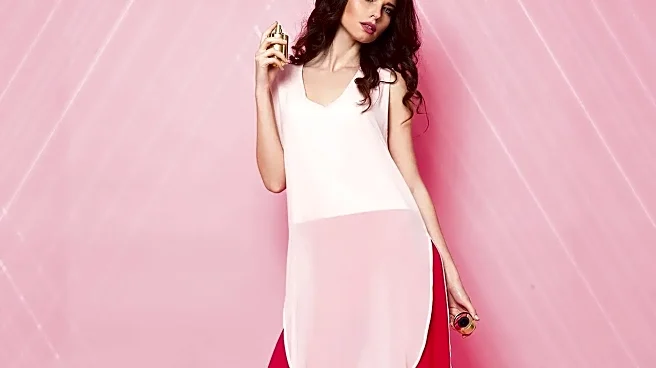
overwhelming your frame. Conversely, a more fitted or structured dress, like a tunic or a narrow slip, can be beautifully paired with wide-leg pants. Pay attention to where the dress hem hits. A dress that ends at the mid-thigh or just above the knee works well with most pant styles. A longer, midi-length dress can also work, but it creates a more elongated, column-like effect that looks best when the colors of the dress and pants are similar.
Choose the Right Dress and Trousers
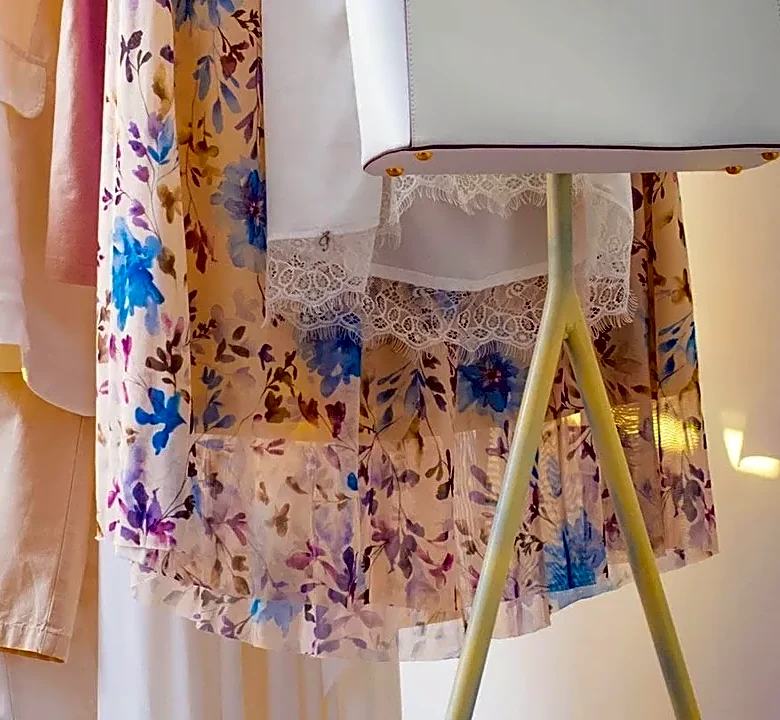
Not all dresses and pants are created equal for this pairing. The easiest dresses to start with are shirt dresses, slip dresses, and simple tunic styles. A shirt dress is particularly versatile because you can wear it unbuttoned from the waist down, creating the effect of a long jacket and allowing your pants to become a more integrated part of the outfit. Sheer or lace dresses also work well, treating the pants as a deliberate underpinning rather than an afterthought. For trousers, almost anything can work as long as it balances the dress. Slim-fit tailored pants or even leggings offer a safe and sleek foundation. Don't discount jeans; pairing a delicate slip dress or a casual T-shirt dress with relaxed denim creates an interesting high-low contrast.
Play with Texture and Color
A great way to make the combination feel intentional and sophisticated is through textural play. Think about contrasting fabrics: a silky slip dress over structured denim, a crisp cotton shirt dress over leather pants, or a fine-knit tunic over tailored wool trousers. This material difference helps distinguish the layers and adds visual depth. When it comes to color, you have two strong options. A monochromatic or tonal approach, where the dress and pants are in the same color family, creates a very sleek, elongated, and modern silhouette. Alternatively, using color contrast can make a bold statement. A neutral base of black, white, or beige allows for a pop of color in either the dress or the pants without looking chaotic.
Finish with Considered Accessories
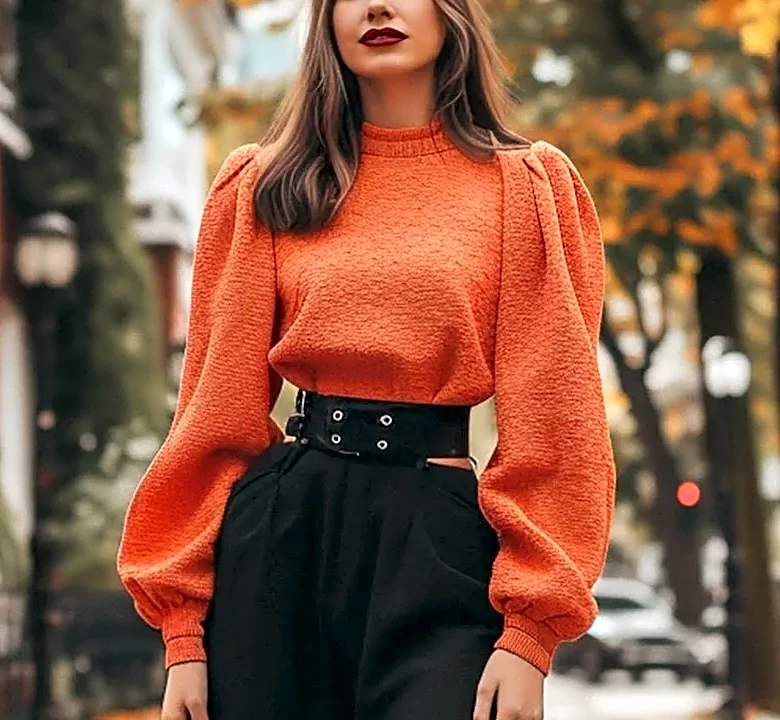
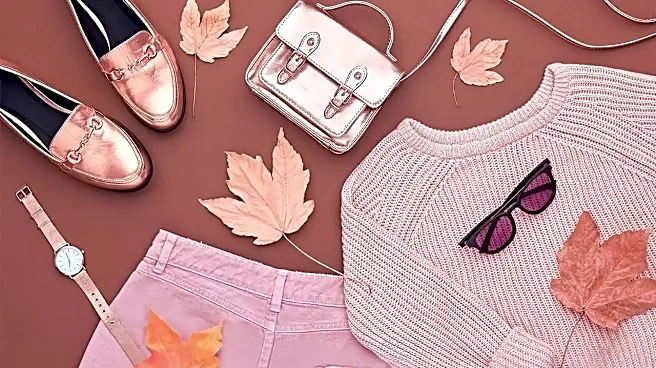
The final touches can make or break this look. Because the outfit itself has a lot going on with the layering, accessories should generally be simple and purposeful. A belt can be your best friend, cinching the waist over the dress to redefine your shape and prevent the look from feeling shapeless, especially if both pieces have some volume. Footwear is also crucial. Pointed-toe shoes, whether heels or flats, help elongate the leg line. A simple boot, a sleek loafer, or even a minimalist chunky sneaker can ground the outfit and keep it from feeling too fussy. Avoid overly delicate shoes that might get lost in the look, and consider a simple, structured bag to complete the ensemble without adding more clutter.