





The Myth: It’s Only for Maternity Wear
This is the most persistent myth, and it’s easy to see why: the comfortable, flowing shape is a great choice for expecting mothers. But labeling it as maternity-only ignores its history as a high-fashion statement. The silhouette first became popular
in the late 18th and early 19th centuries, a revolutionary departure from restrictive corsets. Inspired by the draped tunics of ancient Greece and Rome, it was championed by trendsetters like Empress Joséphine Bonaparte and became the defining look of the Regency era. It was a symbol of freedom and neoclassicism, designed to create a long, graceful line—a world away from being just a practical garment for pregnancy. Thinking of it only as maternity wear is like thinking of all boots as being just for hiking.
The Reality: Fit and Fabric Are Everything
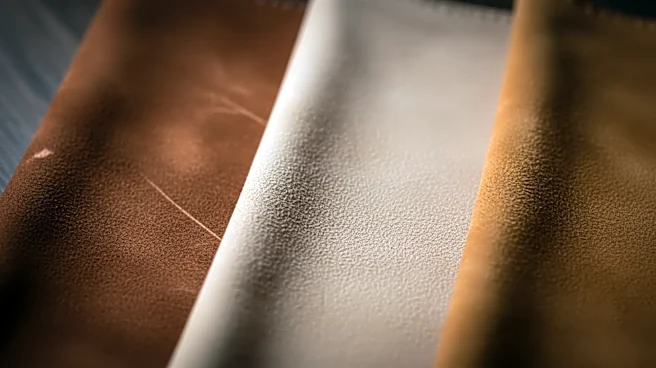
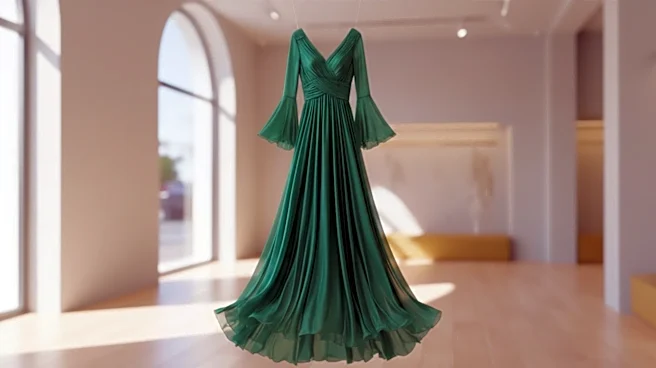
Many shoppers try on an empire-waist dress, find it looks billowy, and blame the style. The real culprit is almost always poor fit or the wrong fabric. An empire-waist dress is designed to have its seam sit at the narrowest part of your torso, which is just under the bust. If the seam is too low, it creates a shapeless, tent-like effect. The second key is fabric. Stiff or bulky materials will add volume, while drapey textiles like jersey, silk, or chiffon will skim the body, creating the intended elongated silhouette. A well-made empire dress in a fluid fabric that fits correctly at the bust doesn't hide your shape; it creates a beautiful, uninterrupted vertical line that is both flattering and comfortable.
The Myth: It Only Works on One Specific Body Type
Contrary to belief, the empire waist is one of the more versatile silhouettes in fashion. Its magic lies in its ability to strategically highlight and de-emphasize different parts of the body. For those with pear or apple shapes, it draws the eye upward, skimming over the midsection and hips. For petite individuals, the high waistline creates the illusion of longer legs and added height. The key is paying attention to the details. A V-neck or sweetheart neckline can add length and is often more flattering for those with a larger bust, preventing a shelf-like appearance. Meanwhile, the skirt cut matters, too; a gentle A-line or a straight, skimming skirt is generally more flattering than one with excessive gathers at the waist.
The Reality: It’s a Modern, Versatile Classic
While it has deep historical roots, the empire waist is far from a dated, costume-only piece. Designers continually reinvent the silhouette for modern wardrobes. Today’s versions come in mini, midi, and maxi lengths and are rendered in contemporary prints and fabrics. The style's adaptability is its strength. A short, floral empire-waist dress paired with sneakers is perfect for a casual weekend. A sleek, black jersey maxi version can be incredibly chic for an evening event. The silhouette has proven its staying power precisely because it’s not a rigid trend. It serves as a flattering and comfortable foundation that can be styled to feel bohemian, minimalist, romantic, or edgy, proving it has a well-earned place outside of period dramas.