







The System Team: Cohesion Over Stars
First, forget the obsession with individual superstars. While having a Messi or Mbappé is nice, some of the toughest teams to beat are those with a rock-solid system that's greater than the sum of its parts. These teams, often from smaller European nations
or disciplined Asian sides, play with a collective identity drilled into them by a shrewd coach. Think of Denmark at Euro 2020 or Japan at the 2022 World Cup. Japan topped a group with Spain and Germany not because they had more world-class talent, but because every player understood their role in a high-press, rapid-counter system. They defend as a unit, attack with purpose, and don't panic. On paper, they look beatable. On the field, they are a tactical nightmare for flair-based teams that expect an easy win. They are the ultimate banana peel.
The Wounded Giant: Pedigree Never Disappears
This is the team with a rich World Cup history that has fallen on slightly harder times. They might have missed the last tournament or crashed out early, causing pundits to write them off. Think of the Netherlands or Uruguay. These nations have a deep-rooted soccer culture and a production line of talent that never truly stops. They might not have the depth of Brazil or France, but they possess a core of elite players performing at Europe’s top clubs and, crucially, a national belief that they *belong* on the big stage. Their recent struggles make them easy to dismiss, dropping them into Pot 2 or 3 during the draw and setting up tougher groups. But pedigree is a powerful weapon. It brings a psychological edge and a muscle memory for high-stakes games that newer teams lack. They’re a sleeping giant you wake at your peril.
The Continental Champion: Underestimated and Unafraid
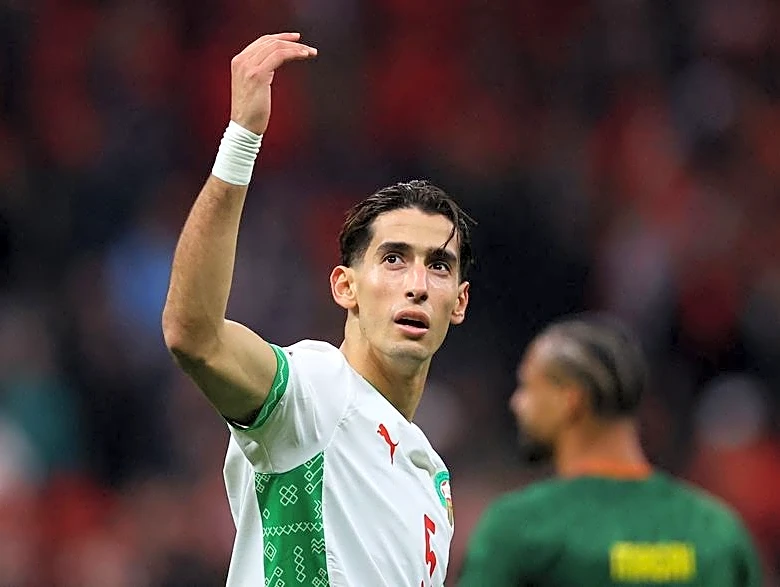
This is the team that dominates its own confederation but gets little respect from the European and South American-centric soccer media. We saw the ultimate version of this with Morocco in 2022. As the first African and Arab team to reach a World Cup semifinal, they weren’t a fluke; they were the product of a well-funded, strategically-built program that had been building for years. Teams like Senegal, the reigning African champions, or the top teams from Asia and North America often face brutal qualification paths that forge a hardened, resilient squad. They play with a chip on their shoulder, eager to prove they can compete with the sport’s traditional powers. Their players may be scattered across various leagues, but they come together with immense national pride and a style of play that can be physical, fast, and unfamiliar to their more heralded opponents. Ignoring them is a classic, and often fatal, mistake.
The 'Golden Generation' Arriving Early
Sometimes, a nation experiences a perfect storm of talent development, producing a cluster of world-class players all at once. Pundits love to label a team a “Golden Generation,” but this often puts immense pressure on them. The *real* dark horse is the team whose golden generation is still considered a year or two away from peaking. Their key players are in their early 20s, breaking out at major clubs but not yet household names. The United States Men’s National Team, with its core playing in Europe’s top five leagues, fits this mold for 2026. Experts might say they're 'one for the future,' which lowers expectations and removes pressure. But young, fearless players who don’t know any better can be incredibly dangerous. They play without the baggage of past failures and can catch more experienced, cynical teams off guard with their raw energy and ambition. They might not win it all, but they are more than capable of a deep, bracket-busting run.