





The Decorative Assumption
Pleats are everywhere in design, from the sharp knife pleats on a school uniform to the soft, gathered folds of a flowing dress. In the home, we associate them with classic, tailored style. You see them on drapery, where pinch pleats create a formal,
structured look, or as box pleats on a traditional sofa skirt, adding a touch of visual interest. Because these folds are so aesthetically pleasing, it’s natural to assume their purpose is purely decorative—a little flourish added by the designer to make something look more refined or expensive. We've been trained to see pleats as a stylistic choice, a way to add texture and dimension. But in many cases, especially in high-quality goods, that fold is doing some serious heavy lifting.
Meet the Functional Pleat
The pleats that buyers most often misinterpret are the ones engineered for a specific purpose. Two prime examples are kick pleats on slipcovered furniture and the functional folds in custom drapery. A kick pleat is typically an inverted box pleat found at the corners of a sofa or armchair's skirt. It looks like a neat, tailored slit, but it’s a crucial feature. For slipcovers, these pleats provide the necessary give to pull the cover on and off without straining the seams. For fixed upholstery, they help hide excess fabric where it naturally gathers, like around a rolled arm, preventing sloppy bunching and ensuring a tight, clean finish. They are a hallmark of thoughtful furniture construction.
More Than Looks: The Engineering of Durability
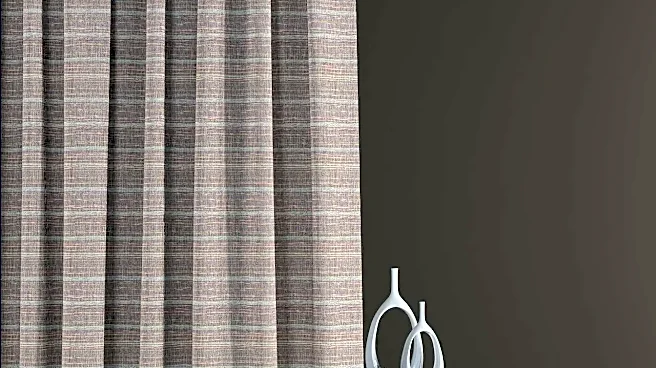
A functional pleat is a problem-solver. On a sofa skirt, a kick pleat allows the fabric to flex when you sit down, reducing stress on the seams and preventing tears over time. Without it, a tight-fitting skirt would be far more prone to ripping. In drapery, the type of pleat directly impacts how the curtains operate and hang. For instance, ripple fold drapes are designed to glide effortlessly on a track, creating perfect S-curves that stack back neatly to maximize a window view. Tailored pinch pleats help the fabric fall in uniform, cascading columns, which not only looks luxurious but also controls fullness and ensures the drapes hang properly whether open or closed. In both furniture and window treatments, these folds are about ensuring longevity, ease of use, and a perfect fit for years to come—benefits that go far beyond surface-level beauty.
A Buyer's Guide to Spotting Smart Construction
So, how can you tell if a pleat is a functional feature or just a frill? First, consider its location. Pleats at the corners of a sofa skirt, especially on slipcovered pieces, are almost always functional kick pleats. On a tightly upholstered armchair, look for small, taut pleats around the curve of the arms; these are there to manage fabric tension. For drapes, ask about the heading style. Terms like "ripple fold," "pinch pleat," and "cartridge pleat" signal that the design dictates how the drapery functions—how it stacks, hangs, and moves. While a purely decorative ruffle might be applied anywhere, a functional pleat is strategically placed at a point of stress, movement, or structural transition. It's a subtle clue that you're looking at a piece built with intention and expertise.