





More Than Just a Game
Any tournament can produce a winner, but only those graced with a true rivalry match become legendary. These games are different. The air crackles with an energy that transcends the 90 minutes on the clock. It’s not just about who is better on the day;
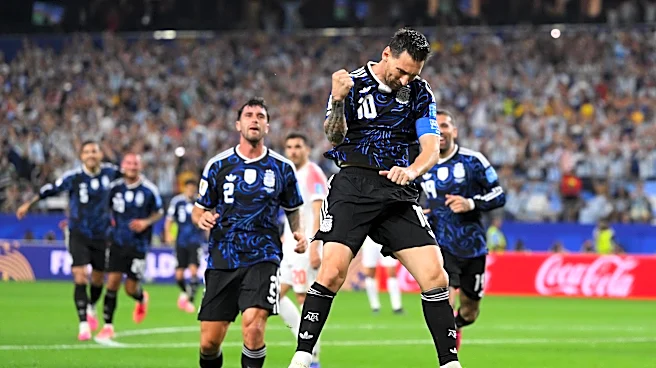
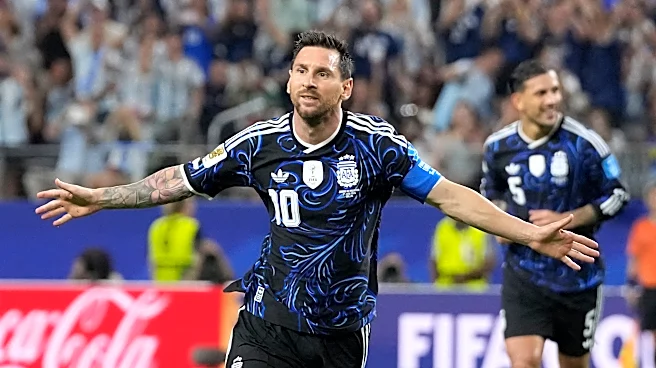
it's about history, culture, and identity colliding on the pitch. When Brazil and Argentina face off, it’s not merely a game; it's the "Superclásico of the Americas," a battle for South American supremacy with a history stretching back over a century. These encounters are weighed down by the ghosts of past conflicts, both on and off the field. Think of England vs. Germany, a rivalry laden with the drama of World War II and iconic World Cup moments like the 1966 final. These matches carry a significance that a game against a random opponent simply cannot replicate. They are chapters in a much longer, richer story that fans have been following for generations.
The Engine of the Narrative
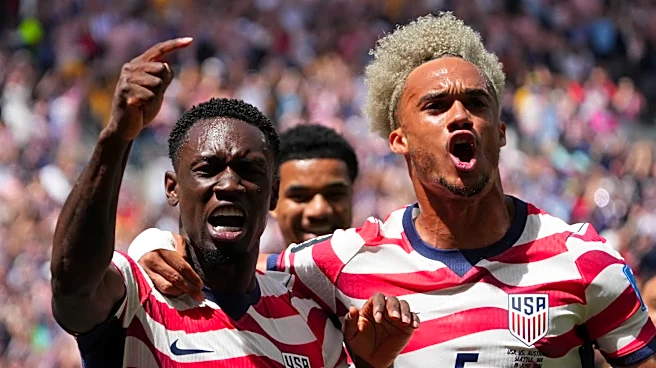
Every great tournament needs a narrative focal point—a match that captures the world’s imagination. A high-stakes rivalry delivers this perfectly. People who might not watch any other game will tune in for USA vs. Mexico. The story is simple and compelling: two neighboring powers fighting for regional dominance. The rivalry has been defined by decades of see-sawing momentum, from Mexico's early dominance to the United States' emergence as a genuine competitor in the new millennium. These matches often become the tournament’s emotional centerpiece, a “final before the final” that provides unforgettable drama. They create heroes and villains, glorious victories and heartbreaking defeats. A tournament without such a clash feels incomplete, like a movie without a compelling second act. The rivalry provides the tension and release that makes the entire event more memorable.
A Crucible for National Identity
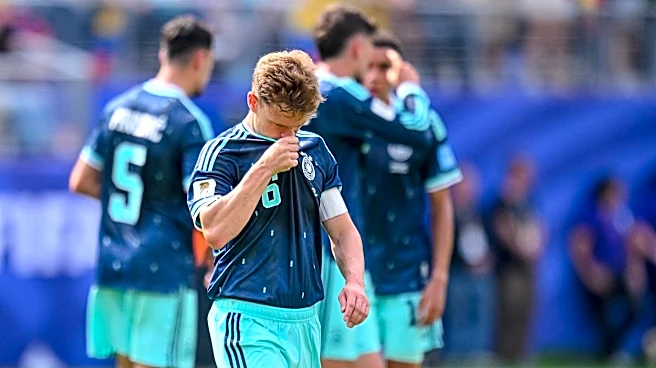
For fans, a rivalry match is about more than supporting a team; it’s about affirming a piece of their identity. The chants, the colors, and the collective roar of the crowd are expressions of shared history and communal pride. Beating a rival feels different because the victory is measured in bragging rights and a sense of cultural superiority that can last for years. The rivalry between the Netherlands and Germany, for instance, is rooted in the occupation of World War II, adding a deep-seated emotional layer to their matches. For the Dutch, especially in earlier generations, a win over Germany was a form of symbolic retribution. These games aren't just played by athletes; they are contested by entire nations, with the hopes and histories of millions riding on the outcome.
The Global Spectacle
Ultimately, what makes a soccer cup truly great is its ability to create moments that feel bigger than sports. Rivalry games are the most reliable source of this magic. They generate a global buzz, attracting casual viewers and dominating headlines in a way no other matchup can. Whether it’s the political undertones of Spain vs. Portugal or the pure footballing animosity of Brazil vs. Argentina, these games are events. They are steeped in so much history that every tackle, every goal, and every refereeing decision feels momentous. The anticipation is palpable, the tension is unbearable, and the celebrations—or commiserations—are profound. These are the games that are replayed for decades, the stories passed down from one generation of fans to the next.