
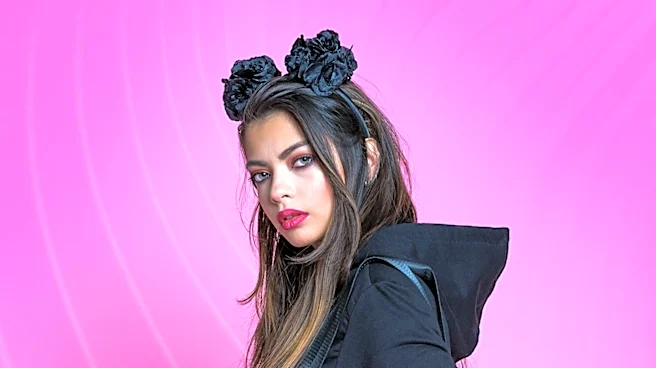
The Festival Stage as a Coronation
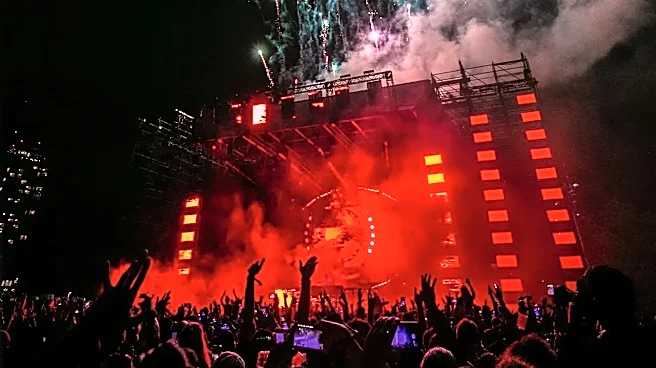
In the streaming era, a festival slot is more than a performance; it’s a high-stakes audition for cultural relevance. For Chappell Roan, it has been a coronation. Her appearances at major festivals throughout 2024 and 2025, from Coachella to Gov Ball,
became must-see events, often drawing crowds that dwarfed those of more established acts. Reports consistently noted that festival organizers had to move her to larger stages to accommodate the massive, passionate turnout. These shows are not passive listening experiences. They are interactive spectacles, complete with costume themes, singalongs, and an energy that translates powerfully to social media clips, creating a feedback loop of hype that drives even more interest.
The Ten-Year Overnight Success
While her recent ascent feels meteoric, it’s built on a decade of steady work. Hailing from Willard, Missouri, Kayleigh Amstutz began posting songs on YouTube as a teenager. She was signed and later dropped by a major label, a setback that ultimately proved freeing. This period forced her to hone her vision independently, developing the Chappell Roan persona without corporate pressure. By the time she re-emerged with producer Dan Nigro, she had a fully formed artistic identity that was self-sufficient. This slow-burn strategy allowed her to build a dedicated following and a body of work, like her debut album "The Rise and Fall of a Midwest Princess," that was ready for its moment when mainstream attention finally arrived.
Drag Ethos and the Power of Persona
Central to Chappell Roan's appeal is her embrace of a persona she explicitly describes as her own form of drag. Her over-the-top, campy aesthetic—a mix of 80s glam, Midwest kitsch, and queer exuberance—is more than just a look; it's a philosophy. It creates a space for theatricality and unapologetic self-expression that resonates deeply with her audience. By treating "Chappell Roan" as a character separate from Kayleigh Amstutz, she gains the freedom to be bolder and more outrageous. This isn't seen as inauthentic; rather, fans and cultural commentators view it as a hyper-real form of authenticity, where performance reveals a deeper truth.
Building a Community, Not Just a Fanbase
The relationship between Roan and her fans is unusually symbiotic. Her concerts are famous for having dress-up themes, and she often hires local drag queens as opening acts, turning each tour stop into a localized celebration of queer culture. This transforms her audience from passive consumers into active participants and collaborators in the world she’s building. The bond is so strong that her fanbase, sometimes called "Roanies," has developed a reputation for being exceptionally supportive and community-oriented, often working together to ensure real fans can get tickets amidst high demand. This deep level of engagement creates a durable, loyal following that is far more valuable than a fleeting viral hit.