




The Stage: A Roast for a Warlock
The setting was the 2011 Comedy Central Roast of Charlie Sheen. The event was a cultural spectacle, riding the wave of Sheen's very public and chaotic "winning" phase. Roasts are, by nature, brutal affairs where comedians trade viciously funny insults.
But even in this environment, there are lines—unspoken rules of engagement and material deemed too harsh for broadcast. O'Neal, a comedian revered by his peers for his uncompromising mind and conversational style, was a last-minute addition to the dais. For him, it wasn't just another gig; it was a national stage to practice his ethos of what he called "unprofessional comedy."
The 'Joke' That Went Too Far
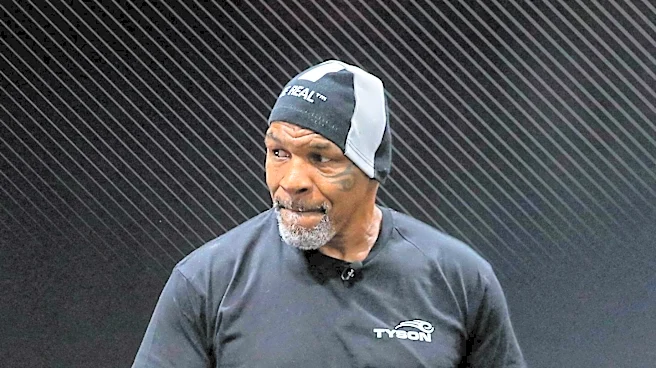
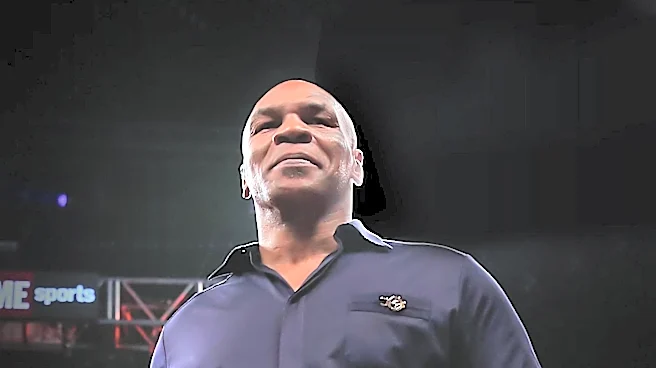
The headline's singular "joke" was, in reality, an entire set that dismantled the very premise of a celebrity roast. While other comedians came with polished, pre-written zingers, O'Neal went off-the-cuff, abandoning his notes to deliver a raw deconstruction of everyone on stage. He hit his fellow roasters with truths that felt more like therapy than comedy. He told Mike Tyson he was disappointed by how comfortable white people had become around him. He told Steve-O his new, sober persona "stinks" and that he should go back to his wild antics. The jokes weren't just mean; they were philosophically dense and deeply personal, violating the unspoken agreement to keep the cruelty light and performative. The producers, sensing the material was too raw for television, were getting nervous.
The Backstage Refusal
According to accounts from fellow comedians and those present, network executives approached O'Neal during the taping, asking him to soften his material for his second appearance at the podium. This was the moment of truth. For many performers, a request from the network is a command. For O'Neal, it was an affront to his entire belief system. He flatly refused. He would not change a word, would not dial back the intensity, and would not apologize for making people uncomfortable. To do so would be to betray the core tenet of his comedy: that the truth, in all its ugly, awkward, and hilarious glory, was the only thing worth saying. This wasn't arrogance; it was integrity.
A Philosophy of No Apologies
This defiance wasn't an isolated incident. It was the public culmination of a career built on rejecting industry norms. O'Neal believed comedy's purpose was not to make everyone laugh, but to have half the room laughing and the other half horrified. He famously debated a representative from the National Organization for Women on Fox News, defending a comedian's right to attempt a joke about any subject, no matter how taboo. His landmark special, "Elephant in the Room," is a masterclass in this philosophy, exploring race, relationships, and gender with a frankness that remains startling. He saw pandering for applause as a form of lying and believed a comedian's only job was to be an honest observer.
An Uncompromising Legacy
Patrice O'Neal passed away from complications of a stroke just two months after the Sheen roast aired, making his defiant performance his final, defining television appearance. That moment cemented his legend as a comedian's comedian—a figure lionized by peers like Bill Burr, Joe Rogan, and Dave Attell for his courage and unwavering commitment to his craft. He never achieved the stadium-filling fame of some of his contemporaries, largely because he refused to make the compromises necessary for mainstream stardom. Yet, his influence has only grown, representing a gold standard of artistic integrity in an industry that often pressures performers to sand down their edges.