

More Than Just Ink on a Cover
In the world of collectibles, a signature can be a tricky thing. While getting your favorite comic signed by its creator is a priceless personal moment, in the cold, hard world of market value, that ink can sometimes hurt more than it helps. The collecting
market is built on trust and authenticity. An unverified signature, even if genuine, is often seen by professional grading companies as a defect or alteration. This is the central paradox for collectors: a signature you saw happen with your own eyes has no verifiable market value without proof. This is where an event like New York Comic Con, with its massive gathering of creators and official authenticators, becomes absolutely essential. It provides the infrastructure to turn a personal keepsake into a certified, investment-grade asset.
The Golden Ticket: Witnessed Signatures
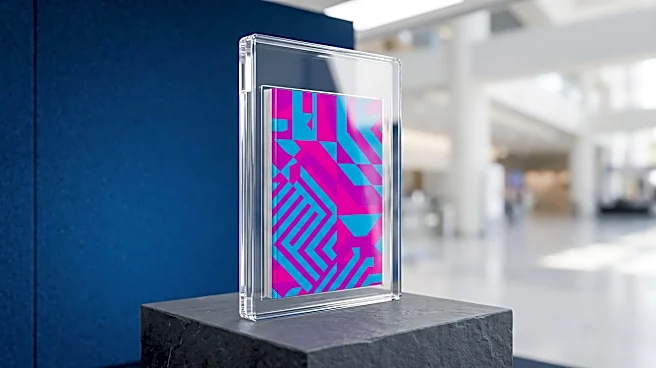
The most significant way NYCC changes a signed comic's value is through a process called "witnessing." Companies like Certified Guaranty Company (CGC) and its competitor CBCS have representatives on the convention floor. For a fee, a certified witness will accompany you to an artist's table, watch them sign your comic, and then take possession of the book. This unbroken chain of custody guarantees the signature's authenticity. The book is then sent for grading and encapsulated in a protective slab with a special label—most famously, CGC’s yellow “Signature Series” label. This yellow label is the market's gold standard, telling any future buyer that the signature is 100% authentic. The premium for a Signature Series book can be substantial, often increasing a comic's value by 20% to over 100% compared to an unsigned copy of the same grade. For example, a high-grade copy of Amazing Spider-Man #300 signed by Todd McFarlane can be worth hundreds, if not thousands, more with that witnessed certification.
The Hype Machine of Artist Alley
Beyond the formal witnessing process, the sheer concentration of talent at NYCC creates its own economic effect. Artist Alley is where hundreds of creators, from living legends like Frank Miller and Jim Lee to rising stars, meet fans and sign books. The creator lineup for the 2026 convention includes industry heavyweights like Todd McFarlane, Daniel Warren Johnson, and Scott Snyder, whose signatures are in high demand. This gathering creates a unique market pressure. When an artist is present, especially one who rarely does signings, the demand for their key books skyrockets. Add in convention-exclusive variant covers—limited-edition comics available only at the event—and you have a recipe for intense collector excitement. Getting one of these exclusives signed and witnessed at the show creates a highly desirable collectible that captures a specific moment in time.
The Floor Becomes a Stock Exchange
For many dealers and enterprising collectors, the NYCC show floor operates like a fast-paced stock exchange. They aren't just there to browse; they're there to work. The process can be a whirlwind: buy a high-demand raw comic from a dealer in the morning, wait in line to get it signed by a creator in Artist Alley (with a witness, of course), and then submit it for grading, all within a few hours. Some even flip the raw, newly signed books to other dealers on the floor before the day is over. The cost-benefit analysis is constant: is the artist's signing fee, plus the witnessing and grading fees, less than the expected value increase? For popular modern creators or deceased legends whose signatures are finite, the math often works out, turning the convention into a hub of immediate, tangible commerce where fortunes can be made on the basis of a signature.