



More Than Just Costumes
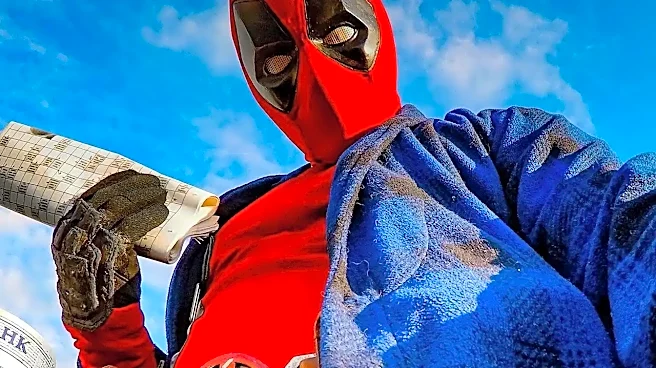
To an outsider, New York Comic Con might look like a chaotic swirl of elaborate cosplay, exclusive merchandise, and celebrity photo ops. And it is all of those things. But beneath the surface, it’s something more fundamental: the one place where being
a fan is the default. This shared identity creates a unique social environment. It’s a temporary city built on passion, where a discussion with a stranger about whether a movie spin-off honors the source material is as common as talking about the weather. This sense of community transforms arguments into a form of connection. The con floor, the panel queues, and the nearby food courts become arenas for what is, essentially, the Olympics of fan debate.
The Rules of an Imaginary World
At the heart of these debates is the concept of “canon”—the official, authoritative history of a fictional universe. What “counts” as the real story? For decades, this was simple: the movie, the book, or the comic was the final word. But in today's franchise-driven landscape, canon is a moving target. With multiverses, reboots, and countless TV shows and video games expanding on beloved worlds, the official narrative is constantly in flux. Is a new animated series canon? What about a prequel novel? Panels at NYCC 2026 for properties like Marvel's upcoming `VisionQuest` show, `Blade Runner 2099`, and expansions to the `Avatar: The Last Airbender` universe highlight this very issue, presenting new information that fans must immediately process and integrate. The convention becomes the first and most vital forum where these new puzzle pieces are examined and contested.
It’s Not About Being Right
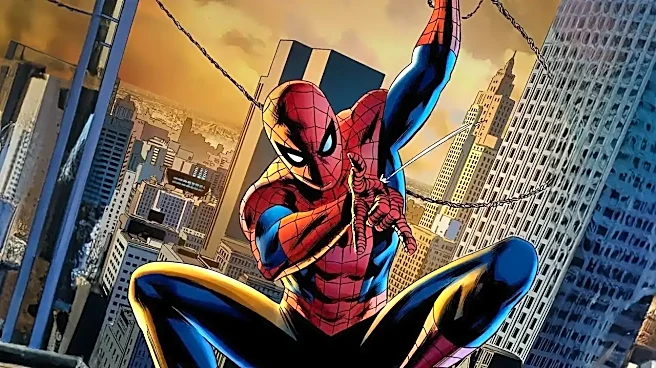
Here’s the secret to understanding NYCC debates: the point isn’t to win. It’s to participate. The headline of the article gets it exactly right—the goal is debating canon without settling it. The joy comes from the forensic act of gathering evidence, presenting a well-reasoned theory, and hearing a counterargument that makes you see a story in a new light. It’s a creative and intellectual exercise. Does a major announcement in the Spider-Man panel fundamentally change Peter Parker's history, or is it a temporary storyline? The answer matters less than the hours of conversation it will spark. This collective storytelling is what keeps these fictional worlds feeling alive and dynamic long after the credits roll. The lack of a definitive answer isn't a flaw; it's a feature that fuels endless engagement.
Where Fans and Creators Meet
New York Comic Con also closes the gap between the audience and the architects of these worlds. Creators are no longer distant figures; they're on stage, taking questions and sometimes directly addressing the very theories that circulate on the convention floor. Panels with Marvel's editor-in-chief or the writers of DC's new `Next Level` initiative are not just marketing events; they are interactions. A showrunner might deliberately leave a plot point ambiguous to see how fans react, while a comic book writer might drop a hint that validates a long-running fan theory. This creates a feedback loop where the energy of the fans can, in subtle ways, influence the direction of the stories they love. The convention floor becomes a real-time focus group where the most dedicated members of the audience get to make their voices heard.