




The Illusion of Effortless
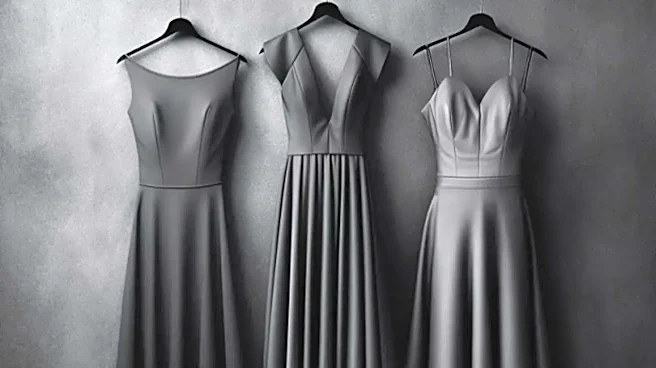
Minimalist fashion is a game of precision. The goal is to create a garment that looks effortless, but achieving that 'quiet luxury' look is anything but simple. Unlike a heavily embellished gown where the eye is drawn to sparkling details, a minimal dress
has nowhere to hide imperfections. Every line, seam, and proportion is on full display. The entire design statement rests on the perfection of the silhouette. This means the designer’s focus shifts from surface decoration to the very foundation of the garment: the pattern. The dress must hang perfectly, follow the body's contours without pulling or bunching, and create a specific shape, all of which requires an almost architectural approach to its construction.
The Architecture of the Cut
To create a flawless silhouette, designers can't just use a simple front and back piece. They must become sculptors of fabric. This is where multiple pattern pieces come in. Instead of a single straight dart to create shape, a minimalist dress might use several curved, expertly hidden seams that guide the fabric around the body's three-dimensional form. These are not just functional; they are design lines. A seam might sweep from the armhole down to the waist in an elegant curve, doing the work of two or three traditional darts while appearing more intentional and fluid. Think of it like building with stone versus wood; a stiff fabric chosen for its structure can't be casually draped and must be pieced together with precision to create curves and shape.
When One Piece Tries to Do Too Much
A patternmaker knows that a single pattern piece can become overloaded if it's asked to control fit, shape, and movement all at once. In a simple A-line dress, for example, you might be able to get away with just a front and back piece because the shape is loose and forgiving. But for a dress that is meant to be both minimal and fitted, the work must be distributed. This is achieved by adding more pattern pieces, like side panels, yokes, or gussets. Each new piece takes on a specific job—one shapes the waist, another contours the bust, and another allows for movement—ensuring that no single part of the garment is under strain. The result is a cleaner, more controlled silhouette that looks deceptively simple.
Embellishment as a Clever Disguise
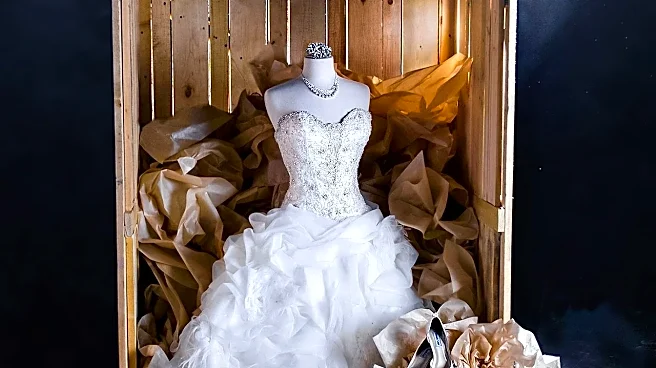
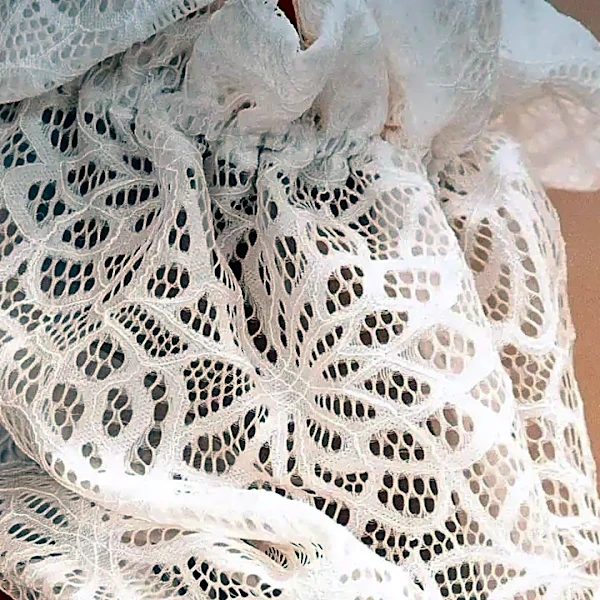
In contrast, a gown covered in embroidery, beading, or layers of tulle operates on a different principle. The complexity is on the surface. While the handiwork of applying these embellishments is incredibly skilled and time-consuming, the underlying structure of the gown can be relatively straightforward. The abundance of texture and detail distracts the eye, meaning that complex seam work isn't always necessary to achieve the desired effect. In fact, a simpler base can be the perfect canvas for elaborate decoration. The 'wow' factor comes from the opulence of the surface, which can handily mask simpler construction underneath.