


Directing is a Conversation, Not a Dictatorship
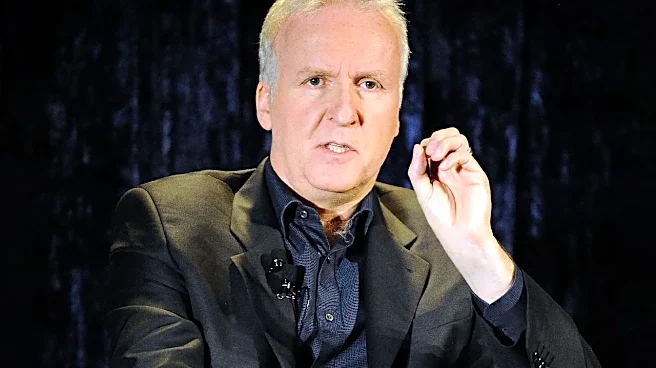
One of the most unique things about Telluride's official 'Conversations' is their format: they aren't formal, moderated panels. Instead, they often feel like listening in on two great artists talking about whatever strikes them. This dynamic reflects
a core filmmaking truth repeatedly shared by directors. Your job isn't just to shout orders through a megaphone; it's to foster a creative dialogue with your cast and crew. The director's vision guides the ship, but the journey is a collaborative one. Aspiring filmmakers should learn to articulate their ideas not as rigid commands, but as compelling invitations for their team to contribute their own artistry. The best ideas often emerge from this shared space, a lesson embodied by the festival's own conversational spirit.
Your Unique Voice is Your Only Currency
Telluride has a history of championing singular filmmakers, from the early days of Michael Moore and Robert Rodriguez to modern auteurs. The festival famously doesn't have awards, which fosters a spirit of celebration over competition. The lesson for emerging directors is to stop chasing trends and cultivate your own distinct perspective. Established directors consistently advise newcomers to make the films that only they can make. Your personal history, your obsessions, your unique way of seeing the world—that's what will make your work stand out. In an industry saturated with content, a powerful, authentic voice is what resonates with programmers, producers, and, most importantly, audiences. Don't try to be the next someone else; focus on being the first you.
Embrace the Power of Place
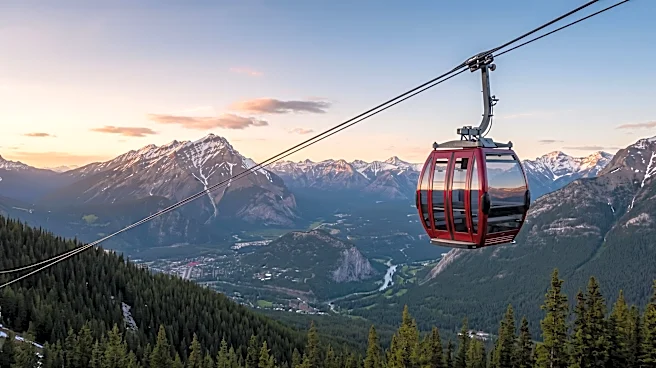
The festival's remote, breathtaking mountain setting is more than just a pretty backdrop; it's an essential part of the experience that fosters clarity and creativity. Directors often speak about how location isn't just a setting but a character in their films. The atmosphere, the light, the very texture of a place can and should inform the story. For an aspiring director, this means learning to see the world with a cinematographer's eye long before you have a crew. Pay attention to how different environments make you feel. How does the architecture of a neighborhood tell a story? How does the weather affect the mood? Infusing your story with a palpable sense of place can elevate a simple script into a transportive cinematic experience.
Fall in Love with the Process, Not the Pitch
A common sight at many festivals is the frantic hustle of networking and pitching. Telluride, however, is known for being different. It's a place focused on the art and craft of film, not the deal-making. The advice that echoes through the town's thin mountain air is to focus on making your work undeniable. Established filmmakers caution against getting caught up in the industry hamster wheel too early. Spend your energy on the script, on shooting shorts, on honing your craft. When you pour your focus into the work itself, the 'networking' becomes more natural. People will be drawn to your passion and your talent. A great film is the best pitch you'll ever have.
Study More Than Just Movies
Telluride's programming is famously eclectic, often curated by a Guest Director who might be an author, musician, or artist from another field. This reflects a deep truth about storytelling: inspiration comes from everywhere. Directors who deliver the most insightful talks are often those who draw from literature, photography, music, and visual art. To develop a truly unique cinematic language, you must feed your creativity with more than just other films. Read novels to understand character and structure. Visit art galleries to learn about composition and light. Listen to music to master rhythm and mood. The most compelling filmmakers are not just cinephiles; they are curious, well-rounded artists who bring a wealth of outside knowledge to the screen.