



The Evolving Sound of Authenticity
For decades, Americana has been defined by its connection to a tapestry of American roots music—folk, country, blues, and gospel. Its identity was built on acoustic instruments, storytelling, and a sound that felt more at home on a front porch than in a sterile
studio. The Americana Music Association (AMA) itself describes it as a blend of these traditions into a "distinctive roots-oriented sound." Yet, a new generation of artists, and even some established ones, are challenging the sonic boundaries of the genre. Subtle synthesizers, crisp drum machines, and polished vocal effects are no longer forbidden ingredients. This isn't a sudden pop takeover, but a gradual integration of contemporary tools that is forcing the community to reconsider what "authentic" really means.
From the Porch to the Laptop
This sonic evolution is driven by several factors. Younger artists who grew up with digital audio workstations (DAWs) and a world of sounds at their fingertips naturally incorporate those elements into their music. The democratization of high-quality recording technology means an artist can achieve a polished, radio-ready sound from a home studio, a feat unimaginable a generation ago. There’s also a commercial reality at play. A more produced sound can potentially open doors to broader audiences and crossover appeal, moving an artist from a niche festival stage to mainstream playlists. Artists like Mon Rovîa and Kashus Culpepper, both of whom performed at the 2026 Americana Honors & Awards, represent a fresh perspective, blending traditional songwriting with more modern sonic textures.
The Award Show Battleground
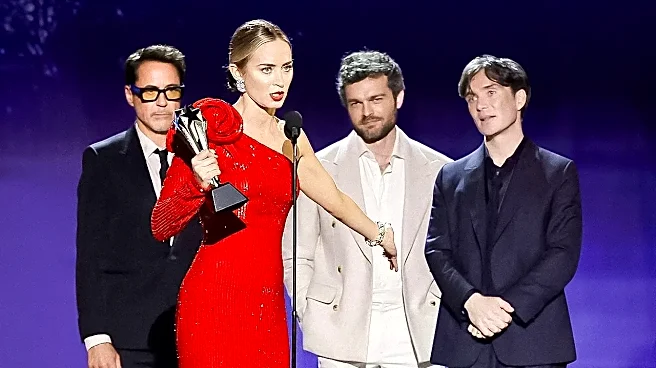
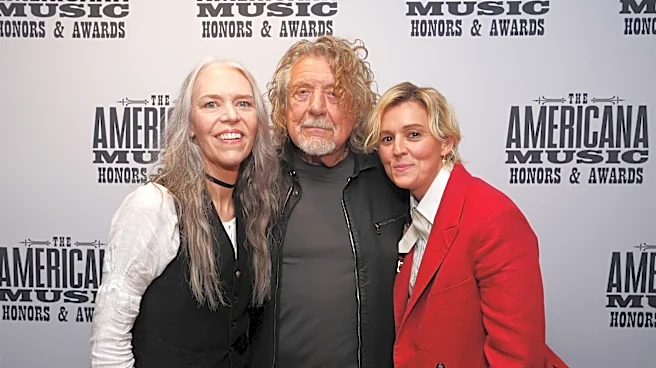
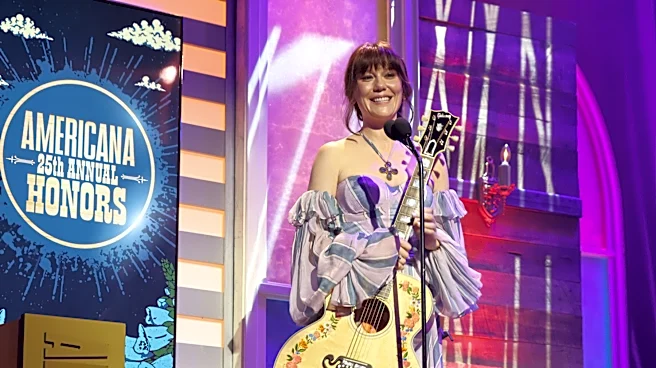
Nowhere is this tension more visible than at the Americana Honors & Awards. The 2026 ceremony offered a fascinating snapshot of this shift. While traditionalists like Gillian Welch & David Rawlings were honored as Duo/Group of the Year, the Album of the Year award went to Tyler Childers' Snipe Hunter, co-produced by Rick Rubin and Nick Sanborn. Sanborn, known for his work in the electronic duo Sylvan Esso, brings a decidedly modern sensibility. This win, alongside nominations for artists like Brandi Carlile—whose song "Returning to Myself" won Song of the Year—and Margo Price, shows that the voting members of the Americana community are embracing artists who push against a purely traditionalist framework. Molly Tuttle's win for Artist of the Year further cements this, as her work often blends virtuosic bluegrass musicianship with contemporary songwriting.
A Genre's Identity, Not a Crisis
This evolution isn't without its debates. For some purists, the increasing polish is a dilution of the genre's core identity, a move away from the raw, unvarnished truth that defined early Americana as a reaction to slick 1990s country. They worry the soul of the music could get lost in the digital sheen. However, a growing consensus sees this as a necessary and exciting expansion. The Americana Music Association has made efforts to be more inclusive, launching initiatives to welcome a more diverse range of voices and styles under its "big tent." The inclusion of Lifetime Achievement honorees like Robert Plant and Tom Petty & The Heartbreakers underscores that the genre has always had rock and roll energy in its DNA. This isn't about abandoning roots; it's about acknowledging that roots can grow in new and unexpected directions.