

Oversized vs. Simply 'Too Big'
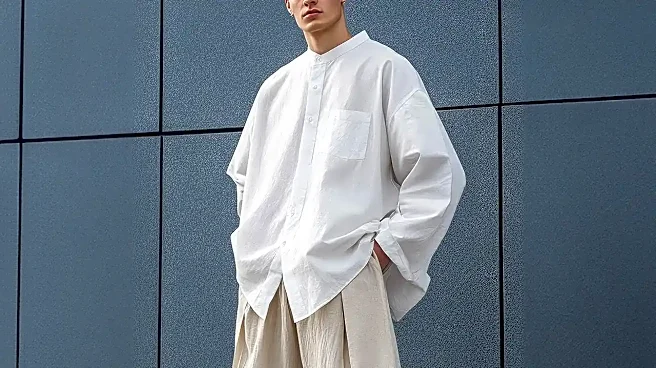
The most common mistake is confusing an 'oversized' cut with just buying a larger size. Garments designed to be oversized are intentionally cut for a roomier fit with specific proportions. This means they might feature dropped shoulder seams, wider sleeves,
and a boxier torso, all while keeping other elements in balance. Simply sizing up in a standard-fit garment throws all of its intended proportions off. The shoulders will be in the wrong place, the sleeves too long, and the overall length awkward, making it look like you're wearing someone else's clothes rather than a deliberate style choice.
The Shoulder Seam Is Everything
Pay close attention to the shoulders, as they provide the main structure for any jacket or top. In a properly designed oversized piece, the shoulder seam is meant to fall just past your natural shoulder, creating a relaxed but intentional line. When you just size up, the shoulder seam can droop too far down your arm, creating a shrinking effect that makes your frame look smaller and the garment appear ill-fitting. A well-executed oversized blazer, for instance, should still have some shape and structure in the shoulders to avoid looking completely shapeless.
The Undeniable Power of Proportion
Styling oversized tailoring is an exercise in balance. The trend works best when a voluminous piece is paired with something more fitted to avoid drowning your silhouette. Think of an oversized blazer balanced by slim-fit trousers or a tucked-in top that defines your waist. Garments designed with an oversized aesthetic are created with this balance in mind. Trying to create that look with a standard suit that's several sizes too large often results in a head-to-toe baggy outfit that adds visual bulk and loses your shape entirely.
Fabric Makes or Breaks the Drape
The material of an oversized garment is crucial to how it falls and moves. Designers select fabrics that have the right weight and structure to drape correctly in a larger silhouette. Stiff or thick fabrics can add unnecessary bulk, while flimsy materials can look shapeless and cheap. When you buy a standard garment in a larger size, the fabric wasn't chosen to handle that kind of volume, which is why it often hangs poorly or creates unflattering bunching. High-quality materials are essential for an oversized piece to look polished and intentional.
Your Tailor Is Your Best Friend
Even with intentionally oversized pieces, a few minor tweaks can make a world of difference. You don't need to completely reconstruct the garment, which would defeat the purpose of the oversized look. Instead, focus on small adjustments. A tailor can shorten the sleeves to hit at the right point on your wrist or thumb bone, take in the waist just enough to give a hint of shape, or hem trousers so they don't pool on the floor. These small alterations preserve the relaxed vibe of the trend while ensuring the piece is scaled perfectly to your body, creating a look that is both comfortable and impeccably stylish.