









The Theory of the Intimate Fortress
In the world of global soccer, there’s a persistent theory about atmosphere: bigger isn’t always better. The concept of the ‘smaller-room advantage’ is simple. A more compact, purpose-built soccer stadium creates a cauldron of noise and intimacy that
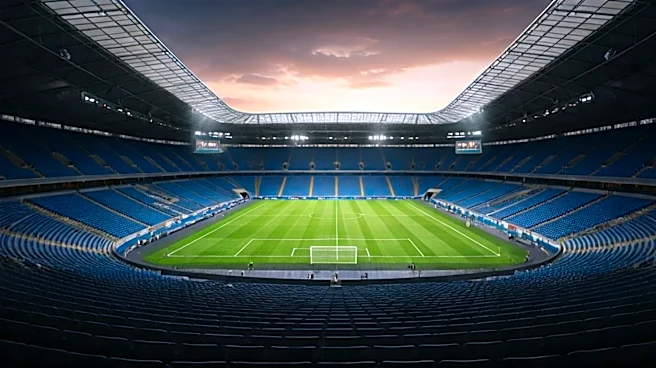
a cavernous, multi-purpose arena struggles to replicate. When fans are packed in tight, with stands that are steep and close to the pitch, their chants and reactions don’t dissipate into the open air; they cascade down onto the field. This creates a wall of sound that can be genuinely intimidating for visiting teams and invigorating for the home side. It’s a psychological edge built from steel and concrete. Stadium architecture plays a direct role in how sound travels. A venue designed specifically for soccer often features canopy roofs that trap and reverberate noise, amplifying the crowd's energy. The goal is to create a ‘cauldron effect,’ making the atmosphere more ferocious and giving players a more direct connection to the fans.
Exhibit A: Toronto's BMO Field
Toronto's World Cup venue, known locally as BMO Field, is a perfect case study. Originally opened in 2007 as Canada’s first soccer-specific stadium, it was designed with intimacy in mind. For the World Cup, its capacity was expanded with temporary seating to 45,736—a significant number, but modest compared to its American counterparts. This expansion maintains the venue's core character: the stands remain close to the action, preserving the electric atmosphere it’s known for during Toronto FC games. The stadium's design, including partial canopy roofing, is built to enhance acoustics. Unlike massive stadiums where upper-deck seats can feel miles from the pitch, virtually every seat at the Toronto venue offers a connected experience. Fans feel less like spectators and more like participants, and for the players on the field, that energy is palpable.
The Contrast: An American Super-Stadium
Compare Toronto's setup to the behemoths in the United States. AT&T Stadium in Dallas, for instance, will have a capacity of around 94,000 for the tournament. MetLife Stadium in New Jersey, host of the final, holds over 82,500. These are architectural marvels, designed to host everything from NFL games and monster truck rallies to WrestleManias. They are built for maximum spectacle and revenue, with vast concourses and layers of luxury suites. But that scale comes at a cost to intimacy. The sheer volume of space can diffuse sound, and fans in the upper tiers can feel detached from the game itself. While these stadiums generate a roar, it’s often a less concentrated and sustained force than in a tighter venue. Removing thousands of seats just to make the field wide enough for soccer highlights that these venues were not purpose-built for the global game.
More Than Just Noise
The smaller-room advantage extends beyond pure decibels. It’s about psychological impact. Players often report feeling the crowd's energy more directly in an intimate setting, which can fuel late-game surges and increase pressure on referees and opponents. The proximity of the fans changes the feel of the game; every tackle, every shot, and every argument is met with an immediate, visceral reaction from thousands of people just yards away. For a host nation like Canada, playing its opening match in Toronto, this kind of intense, unified support is an invaluable twelfth man on the field. While the spectacle of 100,000 fans is undeniable, the focused passion of 45,000 in a stadium built for soccer offers a different kind of power—one that feels more personal and, for many, more authentic to the sport’s culture.