

The Age of Franchise Fatigue
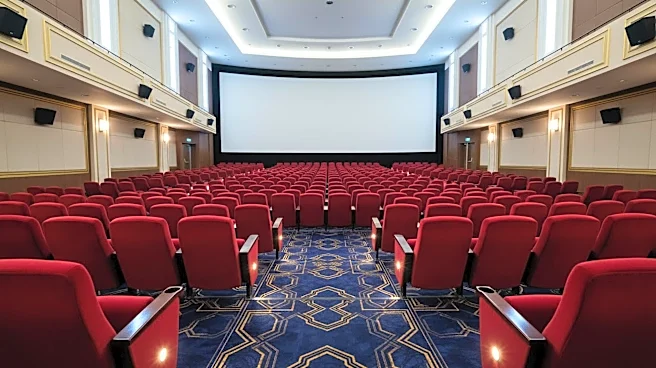
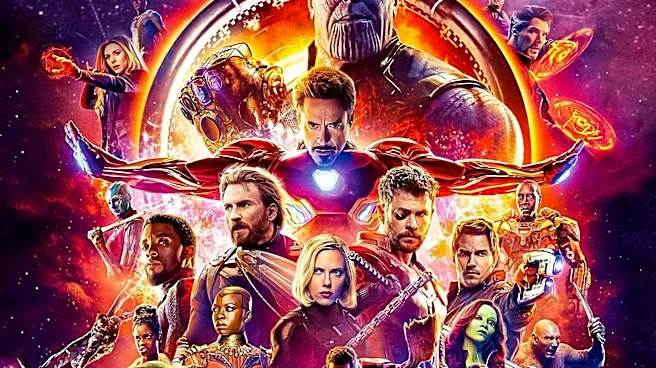
Welcome to the summer of 2026, where the multiplex feels more like a university library. To truly understand this year’s blockbusters like "Avengers: Doomsday" or "The Mandalorian & Grogu," it seems you need a syllabus. There are prequels, animated spinoffs,
limited series, and canonical video games. The pressure to keep up is real, and the fear of missing out—or worse, being confused—can turn a fun night at the movies into a stressful final exam. This feeling, often dubbed "franchise fatigue," isn't just about the number of sequels; it's about the perceived homework required to simply sit down and enjoy one. The idea that you must consume 300+ hours of content to understand a two-hour film is enough to make anyone opt for a quiet night in.
The Billion-Dollar Secret: Sequels Are for Everyone
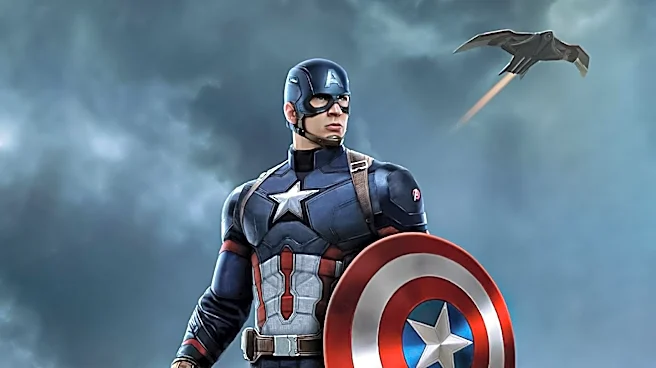
Here's what studios know but won't put on the poster: sequels are designed to be entry points. A film like "Toy Story 5" or a new installment in the Jumanji universe needs to do more than just please existing fans; it has to capture new ones. Box office success depends on attracting the widest possible audience, not just the dedicated few who have followed every twist. Filmmakers have become experts at weaving in necessary backstory through clever dialogue, opening montages, or character introductions that catch everyone up. Think of it as a built-in "previously on" segment. Even in a universe as dense as Marvel's, most individual films work hard to establish their own stakes and emotional arcs, ensuring a casual viewer isn't left completely in the dark. They need your ticket money far more than they need you to have watched a six-episode Disney+ series from three years ago.
Embrace the Joy of Discovery
There's a unique pleasure in jumping into a story mid-stream. You get to piece together relationships and backstory from context, experiencing the narrative as a mystery to be solved rather than a lecture to be received. Many of the best standalone sequels, like "Mad Max: Fury Road," are technically part of a series but function perfectly on their own terms. They reward longtime fans with subtle nods but don't punish newcomers for their lack of encyclopedic knowledge. Approaching a sequel without a complete roadmap allows the film to surprise you. You might even find yourself so intrigued that you decide to go back and watch the originals—not as a chore, but as an exciting expedition to see where it all began. This transforms the experience from one of obligation to one of genuine curiosity.
A Practical Guide to Strategic Catching-Up
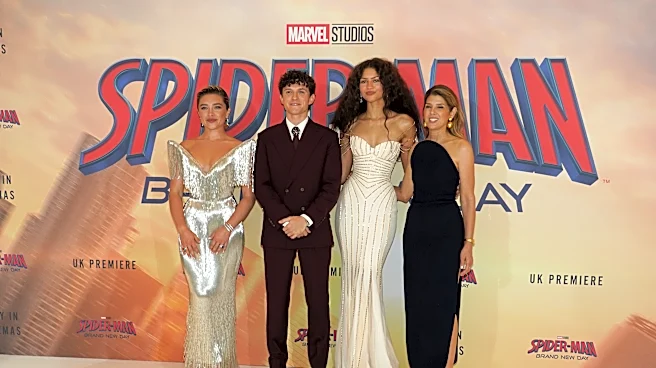
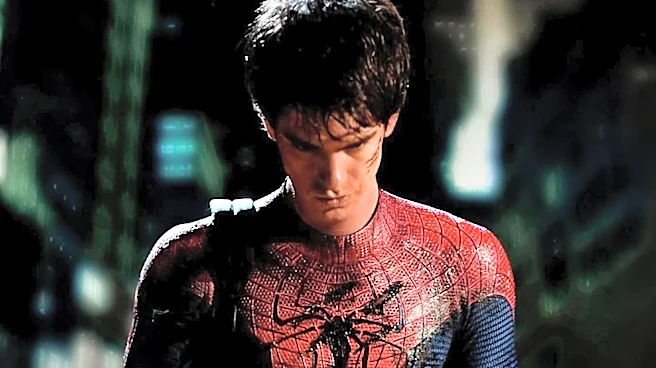
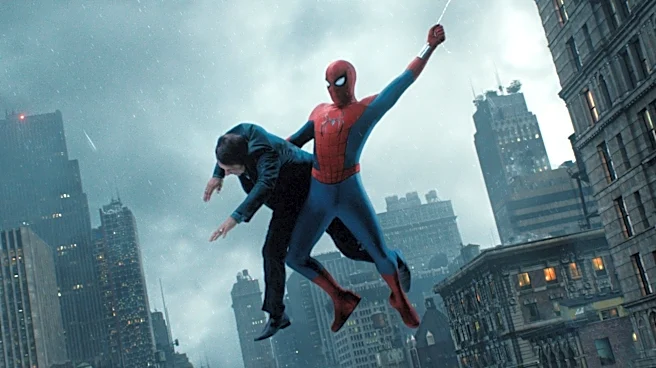
Okay, so you've decided to see the new "Spider-Man" but feel you should probably know something. You still don't need to binge-watch a decade's worth of films. Here’s how to cheat intelligently:
1. Watch the First One: If you have time for only one film, make it the original. It establishes the core themes and characters.
2. Find a Good Recap: The internet is your friend. A five-minute YouTube video explaining the story so far is often more efficient and entertaining than a multi-hour marathon.
3. Read the Wikipedia Plot Summary: It’s the oldest trick in the book for a reason. A quick scan of the plot sections for the previous films will give you the essential bullet points without the time commitment.
4. Go with a Fan: The easiest way to get up to speed is to attend with a friend who loves the franchise. They can answer your whispered questions in the theater (or, more politely, fill you in on the drive over).