





The Unbreakable Benchmark
Some World Cup records don’t just set a bar; they build a fortress around it. Take Just Fontaine’s 13 goals at the 1958 tournament. In the modern game, where scoring six or seven goals is enough to win the Golden Boot, Fontaine’s achievement feels like
a relic from a different sport. It’s a number so colossal it’s almost mythical. The pressure it creates isn’t on any single player to break it—that’s considered nearly impossible. Instead, it serves as a constant, humbling reminder of a bygone era, reframing every modern top scorer’s achievement. When a player like Kylian Mbappé scores a hat-trick in a final, the achievement is monumental, but the shadow of Fontaine’s single-tournament haul lingers in the record books, a silent testament to a different kind of greatness that modern players can admire but likely never touch.
The Slow-Burn Chase
Other records exert a different kind of pressure: the slow, grinding weight of accumulation. The title of the World Cup’s all-time leading scorer is a marathon, not a sprint, played out over a decade or more. For years, the Brazilian Ronaldo’s 15 goals seemed like the definitive mark. Then came Germany’s Miroslav Klose, a player defined not by explosive genius but by relentless consistency. Over four separate tournaments, Klose chipped away at the record. The pressure mounted with every goal, culminating in the almost poetic drama of him scoring his 16th and final goal against Brazil, in Brazil, during the infamous 7-1 semifinal demolition in 2014. This isn’t the pressure of a single moment, but the pressure of sustained excellence. Every tournament becomes a new chapter in a public countdown, with the weight of expectation growing heavier on a player’s aging shoulders.
The Burden of National Legacy
Then there’s the collective pressure, where the record belongs not to a man but to a nation. Brazil is the perfect example. Their record five titles are a source of immense pride, but also a crushing burden. Every four years, the expectation is not merely to compete, but to win the “Hexa”—the sixth star. This pressure is cultural and absolute. It haunts every player who puts on the famous yellow shirt. Failure isn’t just a sporting loss; it’s seen as a national failing, a betrayal of the legacy of Pelé, Garrincha, and Ronaldo. Similarly, Germany’s reputation for reaching finals creates an expectation of ruthless efficiency. When they exit early, as they have in the last two World Cups, it’s not just a disappointment; it’s a crisis of identity. This pressure forces players to carry the weight of their country’s entire footballing history onto the pitch with them.
The Final Piece of the Puzzle
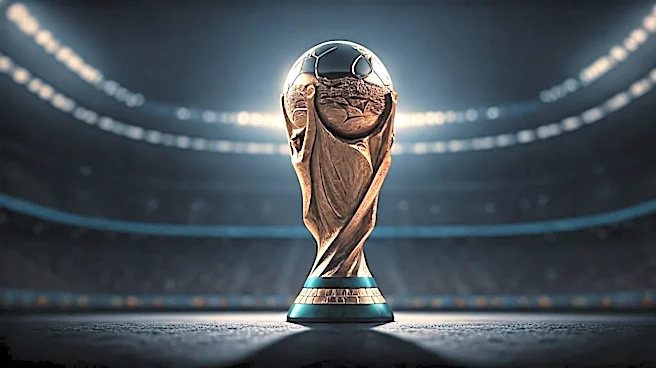
Perhaps the strangest pressure of all comes from the unwritten record: the mandatory World Cup trophy for any player who wants to be considered the greatest of all time. This was the specter that haunted Lionel Messi for his entire career. Despite winning everything at the club level, the narrative was always that he needed a World Cup to truly stand alongside Pelé and Diego Maradona. It’s a pass/fail test with no room for nuance. This pressure is intensely personal. It’s not about a specific number of goals, but about a single, career-defining outcome. Every missed chance, every early exit, was magnified and used as evidence against his claim to the throne. His eventual triumph in 2022 wasn’t just a victory; it was an exorcism, the lifting of a burden so immense it had shaped the perception of his entire career. It’s a pressure Cristiano Ronaldo still faces, and it proves that some of the most powerful records aren’t found in a stat book.