



An Instantly Recognizable Universe
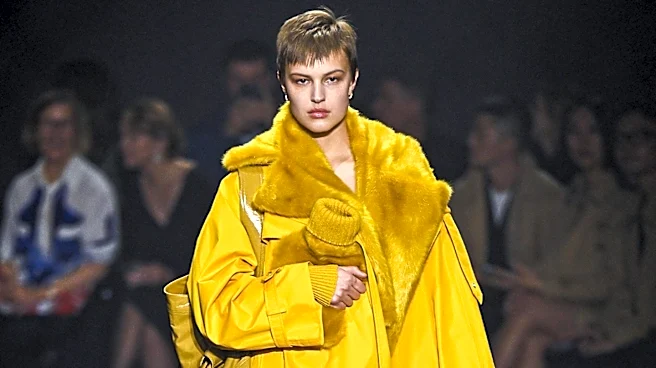
The Anna Sui look is a complete, head-to-toe world. It’s a pastiche of styles that, in other hands, might seem chaotic, but for Sui, becomes a coherent vision. There’s the well-documented love of music, translating into collections inspired by punk, psychedelia,
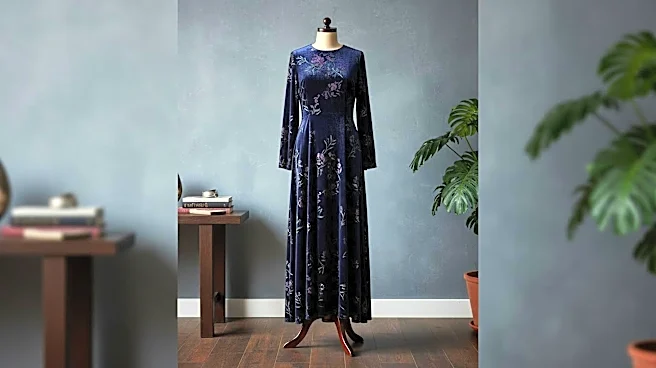
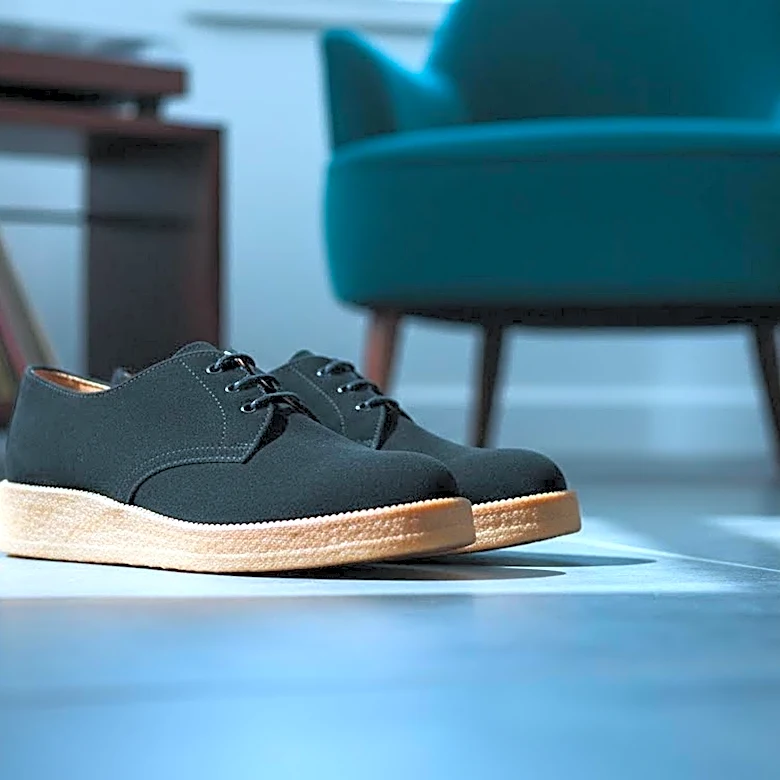
glam, and folk. Her famous Spring 1993 “Grunge Collection” took the raw energy of the Seattle scene and filtered it through her ultra-feminine lens, with floral dresses and combat boots becoming a defining look of the era. This ability to absorb and reinterpret youth culture is central to her work. Museum exhibitions have even categorized her designs into recurring archetypes like the Rockstar, the Schoolgirl, the Punk, and the Victorian, showing how she remixes these themes season after season. The result is a style that feels both nostalgic and rebellious, a blend of innocence and danger.
The Reference Hiding in Plain Sight
While countless articles cite her love for the Rolling Stones or 1960s London, the single most important reference point for the Anna Sui aesthetic may be her own Greenwich Village apartment. For years, a steady stream of magazine features and video tours have revealed a space that is, essentially, the brand made manifest. It’s not just where she lives; it’s the physical mood board from which her entire creative universe springs. Described as a Narnia-like labyrinth, the apartment is a maximalist’s dream, filled with flea market furniture, Art Deco details, mythological creatures, and walls of collections. It’s here, among her carefully curated treasures, that the “hidden reference” to her signature style reveals itself not as an outside influence, but as the very environment she has built around herself.
Designing from the Inside Out
Sui herself has confirmed that her approach to interior design is inseparable from her approach to fashion. She decorates a room the same way she builds a collection: by starting with images and a vibe, and layering from there. The apartment’s signature details have appeared, in spirit or in fact, throughout her work. Her boutique’s iconic purple walls and red floors mirror her own choices at home. The papier-mâché doll heads that became a store fixture were first crafted with friends to decorate the shop. This method of filtering all her inspirations—from a vintage textile to a rock concert—through her personal, curated space is what creates the Sui aesthetic. The apartment isn't just a home; it's the master filter. It’s her version of a Victorian style, she has said, but as if it were “thrown in the river” and became disheveled and romantic.
More Than Fashion, A Total World
This deeply personal foundation is why the Anna Sui brand feels so consistent and authentic. It’s a total world, extending from the runway to her famously whimsical cosmetics and fragrances. When you walk into one of her boutiques, with its lacquered furniture and Dolly Head mannequins, you are stepping into a commercial extension of her living room. This cohesion is a rare feat in fashion, where trends shift and brands often struggle to maintain a clear identity. Because her aesthetic is rooted in her own life and obsessions, it has an enduring quality that has allowed it to remain relevant for decades. She popularizes a look not by chasing trends, but by inviting people into the world she has already perfected for herself. It is this authentic, lived-in vision that has cemented her status as a design icon.