


The Accidental Inheritance of an Icon
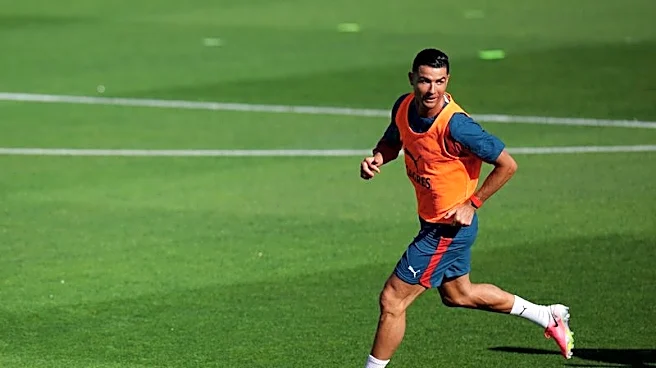
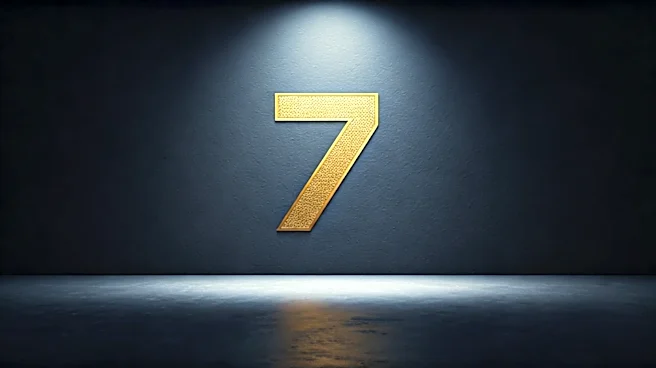
It all started with a shirt. When a skinny, 18-year-old Cristiano Ronaldo arrived at Manchester United in 2003, he asked for the number 28. But legendary manager Sir Alex Ferguson saw something more. He insisted Ronaldo take the number 7 jersey—a shirt weighed
down by the history of club icons like George Best, Eric Cantona, and David Beckham. It was a gesture of immense faith, a challenge to become a legend. Ronaldo not only met the challenge but made the number his own. That single digit, combined with his initials, would become the foundation of his brand: CR7. It was simple, memorable, and had the baked-in legacy of one of the world’s most famous soccer clubs. It wasn’t a manufactured brand name; it was an identity forged on the field.
From Player to Product
While other athletes had endorsement deals, Ronaldo took a different path, one pioneered by Michael Jordan. He didn't just want to be a face for other companies; he wanted to be the company. The CR7 brand was born, starting with an underwear line in 2013. It seemed like a small, almost cliché move for a male celebrity, but it was a declaration of intent. This was his product, his name, his control. From there, the empire expanded methodically. CR7 Footwear followed, then fragrances, denim, and even blankets. He wasn't just licensing his name; he was building a C-suite-level portfolio. This strategy distinguished him from contemporaries. While Lionel Messi was the quiet genius, Ronaldo was the CEO-player, equally focused on his performance on the pitch and the performance of his stock.
The Billion-Dollar Social Media Machine
The true unicorn in the CR7 business model is his mastery of social media. With over 800 million followers across Instagram, Facebook, and Twitter, Cristiano Ronaldo is not just an athlete; he is the world’s largest one-man media publisher. For brands like Nike, paying him for an endorsement isn't just about associating with his image; it's about gaining access to a communications network larger than that of most countries. A single sponsored post on his Instagram is estimated to be worth millions of dollars in media value. This direct line to hundreds of millions of fans gives him unprecedented leverage. He can launch a new CR7 fragrance with a single post, cutting out traditional advertising costs and speaking directly to his global market. It’s a financial moat that no other athlete has ever built on such a scale.
An Empire Beyond Apparel
To cement the brand's long-term value, Ronaldo moved beyond consumer goods and into experiential and legacy businesses. He partnered with Portugal's Pestana Hotel Group to launch Pestana CR7 Lifestyle Hotels, with locations in Lisbon, Madrid, New York, and his hometown of Funchal. He also has a lifetime contract with Nike, reportedly worth over $1 billion, putting him in the same rarefied air as Michael Jordan and LeBron James. This diversification is key. Underwear and fragrances are dependent on his current celebrity, but hotels and a lifetime Nike deal are legacy plays. They ensure the CR7 brand will generate revenue long after he hangs up his boots, turning fleeting fame into generational wealth. It's the difference between being a celebrity and being a dynasty.
The 'Last Dance' as a Marketing Event
This final World Cup appearance is more than just a last shot at the one major trophy that has eluded him. For the CR7 brand, it’s a multi-billion-dollar marketing campaign. Every goal, every dramatic moment, and every camera shot of the iconic #7 jersey reinforces his global narrative of relentless ambition and sustained excellence. Much like Michael Jordan's “The Last Dance” reignited interest in his career and sent sales of Jordan Brand apparel soaring, this tournament serves as the culminating chapter of the Ronaldo playing legend. It’s a final, powerful story to tell, one that will fuel documentary deals, book sales, and brand nostalgia for decades. He’s not just playing for his country; he’s playing for his corporation.