









The All-Important Roof
Hosting a global soccer tournament in Atlanta during the summer presents one obvious, sweltering challenge: the weather. Afternoon heat, humidity, and thunderstorms are staples of a Southern summer. This is where Mercedes-Benz Stadium—temporarily known
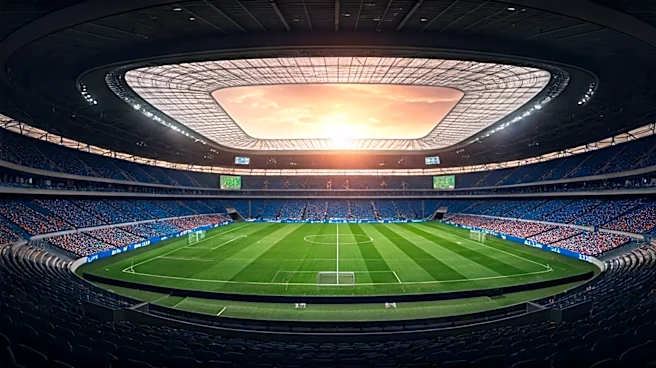
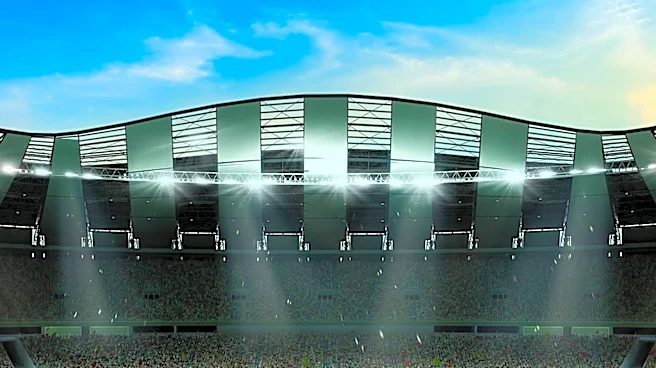
as Atlanta Stadium for the tournament—plays its trump card: a state-of-the-art retractable roof. Composed of eight massive, petal-like panels, the roof can close to create a climate-controlled environment, ensuring matches proceed without delays and protecting players and the 75,000-plus fans from the elements. This capability not only guarantees game integrity but also creates a more comfortable and predictable experience for everyone involved, a crucial factor for a tournament on a tight international schedule. The design itself, which resembles a camera aperture when in motion, has become an iconic feature.
Getting the Grass Just Right
For an elite competition like the World Cup, the playing surface is paramount. FIFA mandates high-quality natural grass, which presented a significant challenge for a multi-purpose domed stadium that typically uses artificial turf. Atlanta's solution has been a massive undertaking. The stadium's usual synthetic turf was completely removed to install a brand new, natural sod field specifically for the World Cup matches. This process involved going below ground to establish a proper root zone and installing complex irrigation and drainage systems. After some criticism of temporary grass surfaces used in past tournaments, the stadium staff has worked meticulously, even installing and testing a first pitch for Atlanta United matches before removing it to install a fresh, exclusive pitch just for the World Cup. This commitment ensures the world's best players have a pristine, consistent, and safe surface for the eight matches held in Atlanta, including a crucial semi-final.
An Unmatched Fan Experience
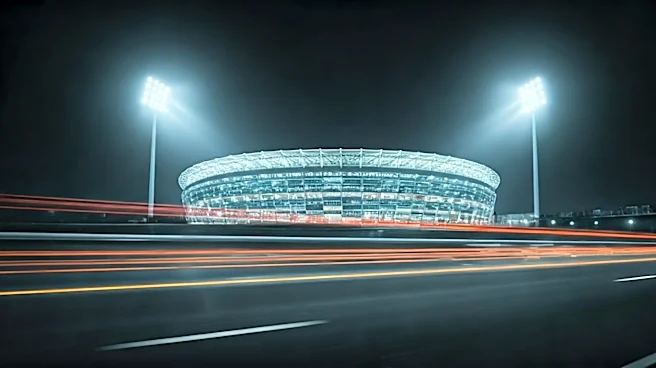
Beyond the pitch and the roof, the stadium was engineered with the spectator in mind. One of its most lauded features is the revolutionary "Fan First" pricing model, offering refreshingly affordable concessions—like $2 drinks and other low-cost food items—which has remained in place for the World Cup. This has been a massive hit with international fans accustomed to exorbitant stadium prices. Visually, the stadium is dominated by the Halo Board, a one-of-a-kind, 360-degree video screen that wraps around the roof opening, ensuring no one misses a replay. The stadium's steep seating bowl is also designed to trap sound, creating an intense and electrifying atmosphere. When you combine this with its easy access to public transit and its location in the heart of downtown, it's clear why it's been ranked as a top venue for the tournament.
The Heart of a Soccer City
The stadium's edge isn't just about its physical structure; it's also about its place within a city that has fully embraced soccer. Atlanta is not a newcomer to the sport. It's home to Atlanta United FC, a massively popular MLS team that has set attendance records, proving the city's passion for the game. The city's selection to host a semi-final match and the establishment of the U.S. Soccer National Training Center nearby further cement its status as a new epicenter for American soccer. The tournament is expected to bring a massive economic impact and hundreds of thousands of visitors to Atlanta. The city has prepared with infrastructure improvements, fan festivals at Centennial Olympic Park, and a city-wide transformation to welcome the world, ensuring the World Cup experience extends far beyond the stadium walls.