






Serving Two Masters: The Camera and the Crowd
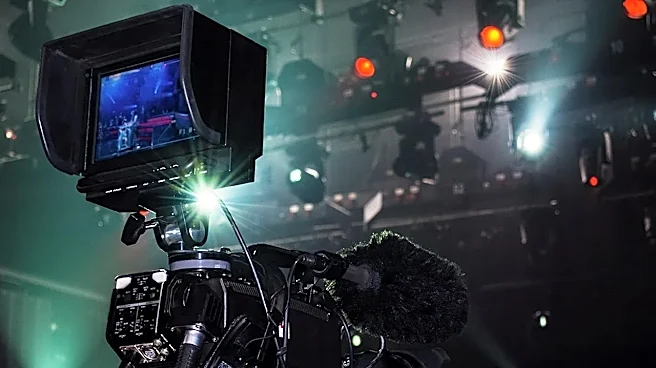
The first and biggest challenge is that every live broadcast exists in two realities at once. There’s the experience for the thousands of people in the arena, and then there’s the experience for the millions watching at home. They are not the same. A
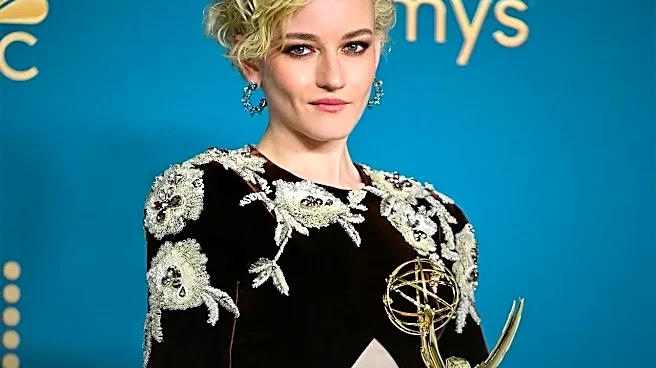
lighting designer has to create a spectacle that feels electric for the live audience but also translates perfectly through a camera lens. Colors that look vibrant in person can appear washed out or distorted on camera, so palettes must be meticulously tested for the broadcast. It’s a constant compromise; a look that’s perfect for the human eye might be a mess on screen, and vice versa. Three-time Emmy-winning lighting designer Oscar Dominguez, known for his work on "The Voice," notes that the human eye has a far greater contrast range than any camera. This forces designers to make tough choices to ensure the image holds together for the viewer at home, who is the ultimate audience.
There Are No Second Takes
In film or scripted television, if a lighting cue is missed or a reflection is wrong, you simply do another take. In live TV, there is no such luxury. From the Super Bowl Halftime Show to the Oscars, the entire broadcast is a one-shot deal performed in real time. A missed cue, a malfunctioning light, or a shadow in the wrong place is broadcast instantly to millions. This puts immense pressure on the lighting director and programmers, who are essentially “playing” a massive, complex instrument live. As one Emmy acceptance speech for "Saturday Night Live" noted, the ability to perform under intense time constraints and pressure is what defines the job. This unforgiving environment requires not just creative vision but also meticulous preparation and the ability to troubleshoot on the fly.
Wrangling Technology and Unpredictable Humans
Modern live shows are a technological marvel, often featuring massive LED screens, projection mapping, and complex automated fixtures. The lighting designer’s job is to integrate all these elements seamlessly so they enhance the performance, not overwhelm it. But the one element that can't be programmed is the human one. A performer might suddenly move to a different part of the stage, a guest presenter might be wearing a highly reflective dress, or a bead of sweat could catch the light in just the wrong way. The lighting team has to anticipate and react instantly. This is especially true for massive events like the Super Bowl Halftime Show, where designers like Al Gurdon have to light for a huge stage, a field of performers, and still create dramatic, cinematic moments for the broadcast cameras—all in just a few minutes of setup time.
Painting on an Ever-Changing Canvas
Ultimately, a lighting designer for a live special is a storyteller. They collaborate with the director to enhance the mood, focus the audience’s attention, and create memorable visual moments. According to Emmy winner Michelle Poley, the lighting designer is the “glue that holds the image together.” For a musical performance, the lighting must match the song's emotional arc—building from an intimate ballad to a powerful crescendo. For an awards show, it has to be versatile enough to create a celebratory atmosphere for a win and a respectful one for an In Memoriam segment. They are painting with light on a canvas that is constantly moving and changing, using everything from massive searchlights to tiny LEDs embedded in the audience's wristbands to create a cohesive picture. It's a job that requires being part artist, part engineer, and part crisis manager, all at once.