




From the Field to the Fitting Room
Dressing an athlete for a red carpet presents a unique challenge that off-the-rack clothing simply isn't designed to handle. Years of dedicated training create bodies with proportions that defy standard manufacturing templates: broad, powerful shoulders,
V-shaped torsos, and muscular legs. Standard suits and gowns are typically cut for an 'average' frame, which means a jacket that fits an athlete's shoulders might hang like a tent at the waist, while trousers that accommodate muscular thighs could be loose everywhere else. This fit frustration is true for both male and female athletes, who often find that blazers strain across their backs or that dresses don't properly account for a strong core and developed arms. The result is a choice between sizing up and looking shapeless or squeezing into a smaller size that pulls and constricts. This is where bespoke and custom tailoring become essential, moving beyond simple alterations to build a garment from scratch based on an athlete's specific, powerful physique.
Engineering the Heroic Silhouette
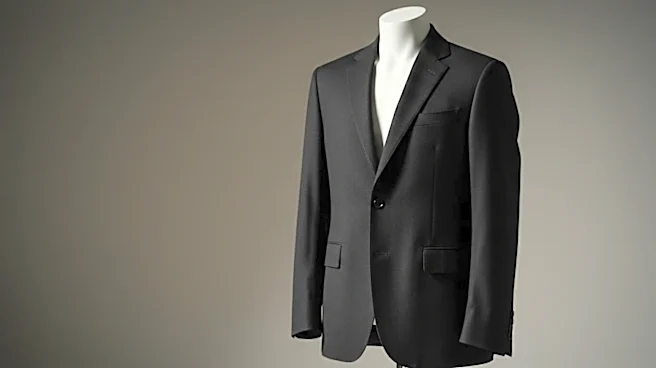
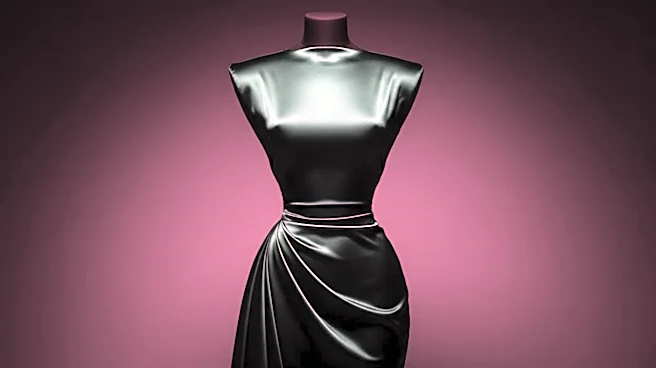
The dominant look at the ESPYs—strong, structured shoulders paired with a dramatically tapered waist—is no accident. It’s a sartorial strategy designed to do one thing: project power. Tailors use specific techniques to create this heroic V-shape. For men's suiting, this involves jackets with pronounced shoulder structure and aggressive waist suppression, which visually enhances the natural athletic build. The shoulder seam must sit perfectly on the edge of the shoulder to emphasize its width and strength. For women, structured shoulders on a gown or a sharply tailored blazer serve the same purpose, balancing their physique while a nipped-in waist highlights a strong core. This intentional shaping is about more than just a good fit; it’s about communication. Clothing that amplifies these features sends a clear message of strength, discipline, and confidence, effectively translating physical prowess into the language of high fashion.
Tailored for the Telecast
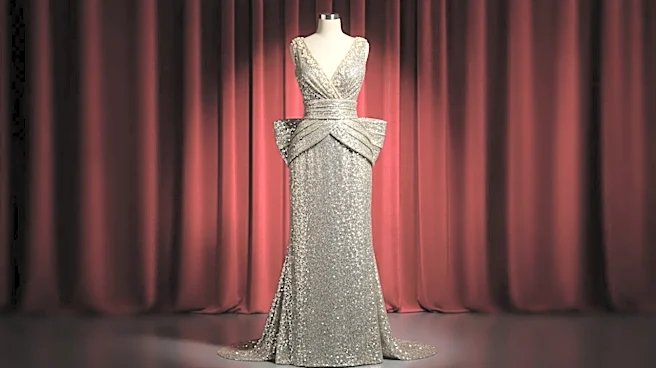
An outfit for the ESPYs has to work on multiple levels: in person, in photos, and most importantly, on a live television broadcast. This is where “camera-ready proportions” come into play. A sharply defined silhouette reads clearly on screen, preventing the athlete from looking lost in their clothing under harsh stage lighting. The defined shoulders and suppressed waist create a dynamic, graphic shape that stands out. Fabric choice is also critical; mid-weight natural fibers like wool are often preferred for suits because they hold their shape, drape cleanly, and avoid the unnatural sheen that some synthetics can produce under camera flashes. For gowns, sculptural designs and structured fabrics help create memorable moments, as seen with the architectural dresses worn by stars like gymnast Jordan Chiles. Ultimately, every detail, from a perfectly placed shoulder pad to the precise amount of taper in a trouser leg, is calculated to ensure the athlete looks as iconic on screen as they do in the arena.
The Athlete as A-Lister
The ESPYs red carpet is the ultimate intersection of sports and Hollywood. Athletes are no longer just athletes; they are global brands, influencers, and entertainers. Their fashion choices are a powerful tool for brand building. Attending the ESPYs is a chance to step out of the uniform and showcase a different side of their personality, moving from on-field competitor to red-carpet star. A custom look from a major designer signifies a new level of celebrity, placing them in the same stratosphere as A-list actors and musicians. For women athletes in particular, the red carpet offers an opportunity to embrace high fashion and glamour, often in stark contrast to the grit and function of their athletic wear. This convergence is why we see athletes not just wearing fine clothing, but becoming fashion figures in their own right, collaborating with designers and landing on best-dressed lists alongside Hollywood royalty.