





The Foundation: For Every Wardrobe
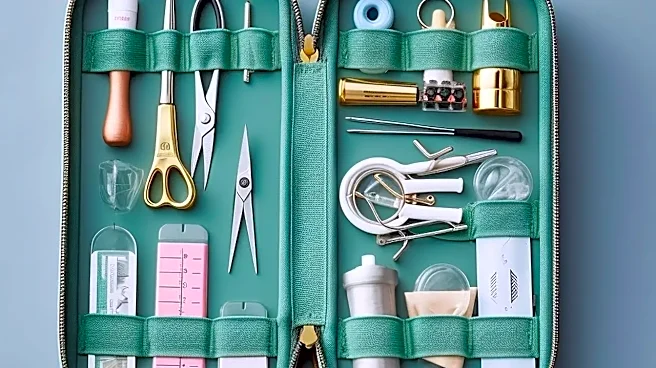
Before specializing, every good clothing-care kit needs a universal foundation. These tools work for almost all fabric types and form the basis of a solid maintenance routine. Start with high-quality hangers—avoid thin wire ones, which can stretch shoulders
and distort the shape of your garments over time. Opt for sturdy wood or velvet-covered hangers. Next, invest in a set of mesh laundry bags. These are non-negotiable for protecting delicates from snags, but they are also great for keeping pairs of socks together and preventing straps from tangling around the washing machine agitator. A gentle, pH-neutral detergent is also a must-have. Harsh soaps can strip color and damage delicate fibers. Finally, a portable stain remover pen or wipe is essential for treating spills immediately before they set. Getting to a stain quickly is often more important than the specific remover you use.
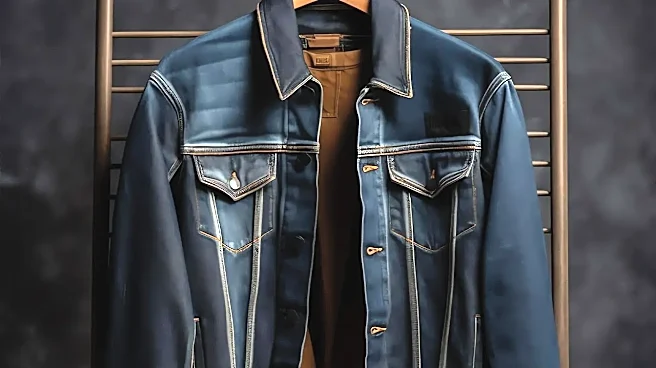
For Cottons, Linens, and Denims
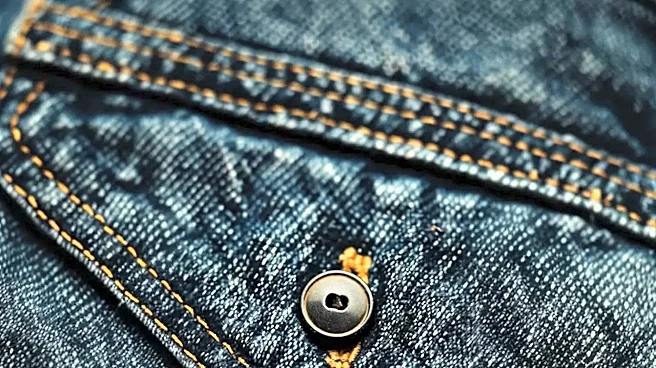
These durable, natural fibers are the workhorses of most wardrobes, but they still need specific care to look their best. The biggest enemies are shrinkage and fading. Always wash cottons and linens in cold or lukewarm water, as high heat can cause them to constrict. While air drying is the gold standard for preventing shrinkage and preserving fabric integrity, if you must use a dryer, choose a low heat setting and remove items while they are still slightly damp. For white cottons that have become dull, you can add a cup of lemon juice to the wash as a natural alternative to chlorine bleach, which can weaken fibers over time. To properly store these items, especially off-season, use breathable canvas bags in a cool, dry place. Avoid plastic bins, which can trap moisture and lead to mildew.
For Wools and Cashmeres
Luxury knits like wool and cashmere require a gentle touch to maintain their softness and shape. Despite often having 'dry clean only' labels, most sweaters can be safely hand-washed at home. Fill a basin with cool water and a small amount of a wool-specific detergent or even baby shampoo. Gently submerge the sweater, let it soak for a few minutes, and then press the water out—never wring or twist it, which can stretch the fibers. To dry, lay the sweater flat on a clean towel, roll it up like a yoga mat to absorb excess moisture, then unroll and lay it flat on a drying rack away from direct heat or sunlight. The most crucial tools for this category are a fabric shaver or sweater comb to remove pilling, and a clothes brush for lifting away lint and dust. When storing, always fold your sweaters; hanging will cause them to stretch out at the shoulders.
For Silks and Other Delicates
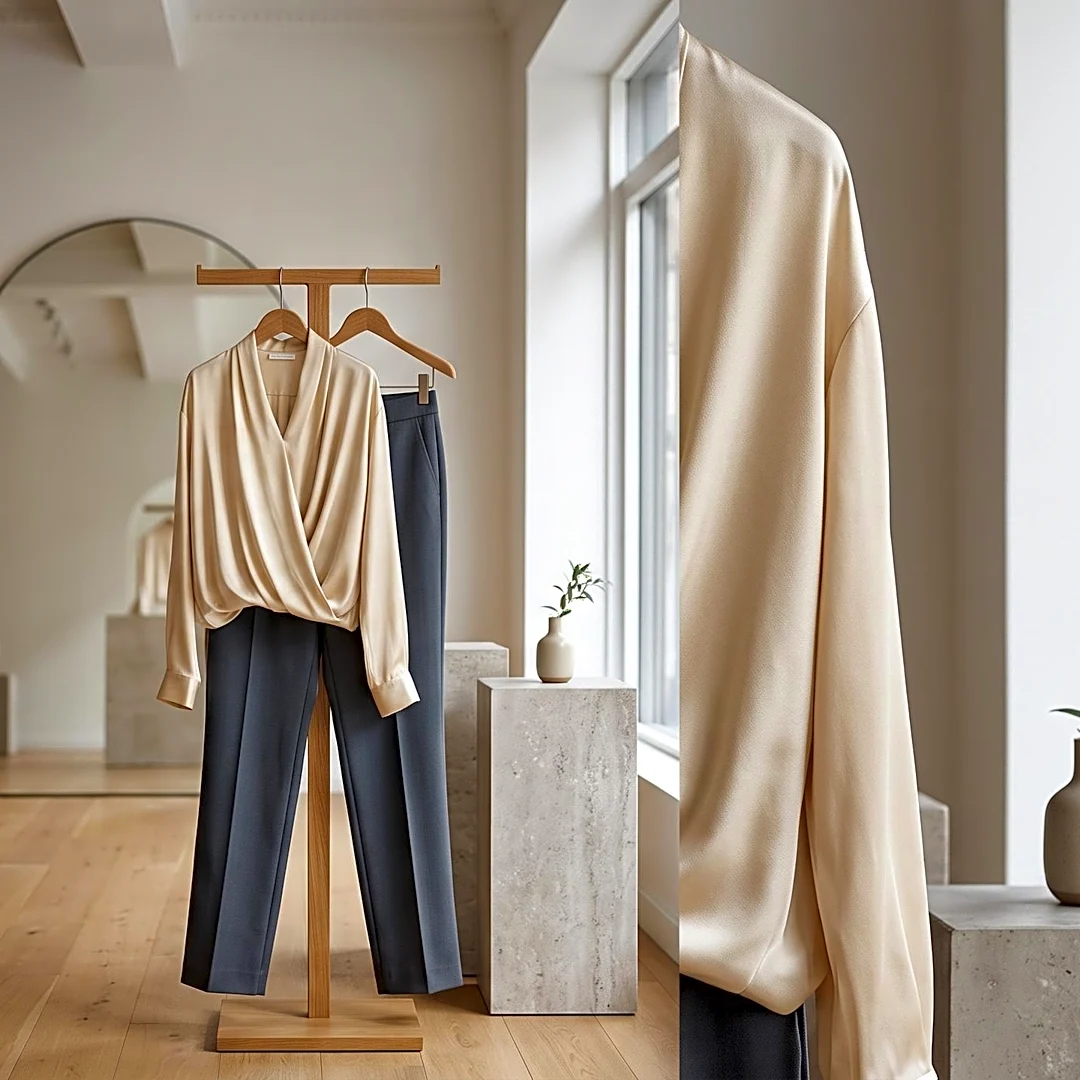
Silk's delicate protein structure makes it susceptible to damage from heat and harsh chemicals. Hand washing is the safest method. Use cold water (never above 86°F or 30°C) and a mild detergent designed for delicates. Gently agitate the water, submerge the garment, and let it soak briefly. If you must machine wash, use a mesh bag on a delicate cycle with a low spin. A portable steamer is a far better tool for silks than an iron. Steam gently removes wrinkles without the risk of scorching the fabric. If you do need to iron, use the lowest heat setting and place a cloth between the iron and the garment. For light odors or wrinkles from a single wear, simply hanging the garment in a steamy bathroom can refresh it without a full wash.
For Performance and Synthetic Fabrics
Activewear, with its stretch and moisture-wicking properties, has its own set of rules. The main goal is to eliminate bacteria and odor without degrading the fabric's technical qualities. Wash these garments immediately after a workout if possible, as prolonged exposure to sweat can break down the fibers and breed odor-causing bacteria. Use cold water and turn items inside out. Crucially, skip the fabric softener—it can leave a coating that clogs the fabric's pores, reducing its ability to wick moisture. For stubborn stains or general cleaning, a simple solution of mild dish soap and water is often effective for performance fabrics. Always air dry your activewear. The high heat of a dryer can damage the elastic fibers, causing them to lose their stretch and shape.