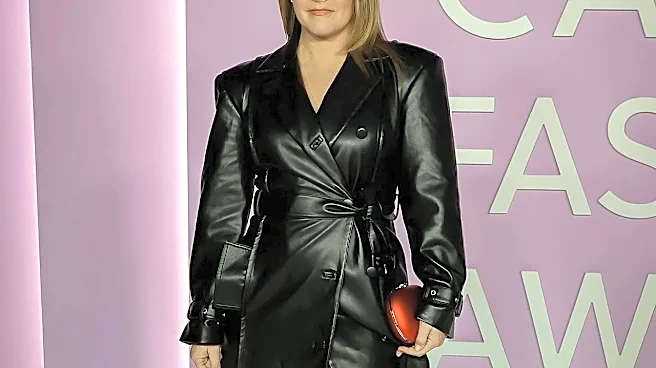






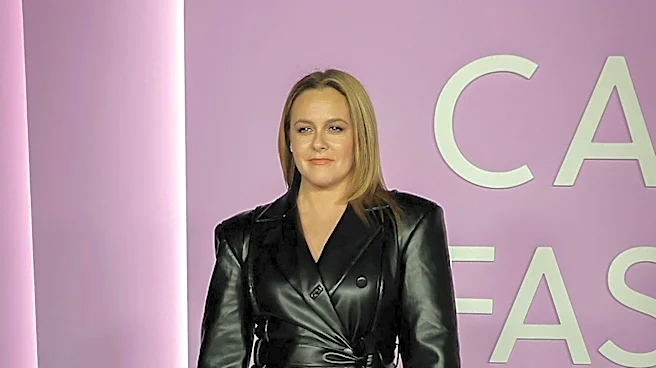

The annual CFDA Fashion Awards are known for red-carpet glamour and celebrating American design. But in a year defined by economic headwinds and cautious consumers, their true importance isn't just about who wore what—it's about survival.
A Tough Climate for Creatives
The fashion industry
is navigating a complicated economic landscape. While there are some signs of resilience, persistent inflation, supply chain issues, and shifts in consumer spending have created a challenging environment. Shoppers are increasingly value-driven, focusing on price and longevity, which often benefits discount retailers or established 'blue-chip' brands over new, experimental labels. This cautious consumer behavior is compounded by structural issues like the decline of independent multi-brand retailers, which have historically been crucial launchpads for new talent. For emerging designers, the financial barriers are immense, from the high costs of ethical production to the investment required for marketing and fashion week participation. In this unforgiving market, being creative isn't enough; designers need a commercial breakthrough to stay afloat.
More Than Just a Trophy
Since 1981, the CFDA Fashion Awards have served to recognize and promote American design talent. But during a difficult retail cycle, their function evolves from celebratory to critical. A nomination or a win becomes a powerful business tool that can translate directly to the bottom line. For one, the media exposure is invaluable. The buzz generated by the awards can put a designer on the radar of editors, stylists, and, most importantly, buyers from major department stores and e-commerce sites. This validation from the industry's most respected voices provides a stamp of approval that can persuade risk-averse retailers to place an order. It signals that a brand has not only creative vision but also commercial potential, making it a much safer bet in a tight market.
A Lifeline for Emerging Talent
Nowhere is the impact of the CFDAs felt more acutely than in the emerging designer space. The Google American Emerging Designer of the Year award, for instance, isn't just an honor; it's a potential lifeline. Organizations like the CFDA provide crucial support systems, including mentorship programs and financial grants like the CFDA/Vogue Fashion Fund, which was established to help cultivate the next generation of talent. In a climate where investors are wary and wholesale accounts are harder to secure, this kind of institutional support can be the difference between a brand surviving its difficult early years and folding. A win can attract the attention of collaborators, secure funding, and provide the momentum needed to scale a business from a creative project into a sustainable enterprise. It’s a powerful endorsement that tells the world, 'This is a voice worth investing in.'
A Barometer for the Industry's Future
Beyond individual success stories, the awards serve as a collective statement on the direction of American fashion. The list of nominees and honorees for the 2026 awards—which includes established names like Michael Kors and Tory Burch alongside rising stars like Rachel Scott of Diotima—provides a snapshot of what the industry values right now. The ceremony, scheduled for November 2nd, celebrates not just aesthetic innovation but also designers who are integrating social responsibility and new business models into their work, as seen with Tory Burch receiving the Positive Change Award. In a difficult cycle, the awards help the industry do more than just celebrate itself; they clarify priorities, spotlight viable new approaches, and signal to the global market where the future of American creativity lies. They are less a simple reflection of the past year and more a strategic signpost for the road ahead.