





A Costume Is for a Spectator
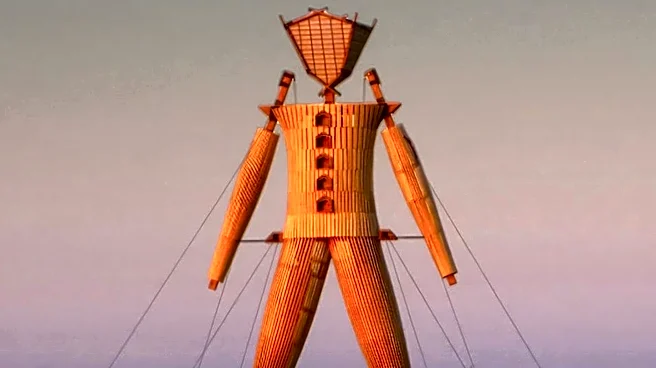
First, let's get one thing straight: Burning Man is not a festival. It's a temporary city, Black Rock City, built from scratch by its participants in the harsh Nevada desert. Unlike a music festival where you buy a ticket to be entertained, Burning Man's
ethos is rooted in radical participation. There are no headliners or scheduled performers provided by the organizers; everyone who attends is part of the experience. A 'costume' implies a passive audience watching a performance. In a city where everyone is a co-creator, the concept doesn't fit. What people wear isn't for an audience; it’s for each other and for the city itself.
Governed by Principles, Not Trends
The visual landscape of Black Rock City is shaped by ten core principles, not by fashion magazines. Two are especially crucial here: Radical Self-Expression and Decommodification. Radical Self-Expression encourages individuals to express their unique gifts. This isn't about looking cool; it's about externalizing your inner self as a gift to the community. Decommodification means no commerce, no ads, no branding. This instantly separates it from events like Coachella, where brands and influencers dominate. At Burning Man, you can't buy your way to social status. Your value is in what you contribute, and what you wear becomes a primary tool for that contribution, not a display of wealth.
Functional, Not Frivolous
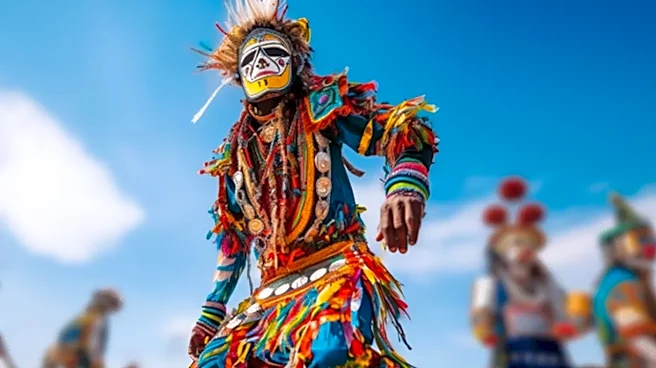
While the outfits may look fantastical, they are deeply functional. The desert is a hostile environment with scorching days, frigid nights, and blinding dust storms. Those elaborate goggles aren't just a style choice; they're essential for sight. The flowing layers, utility belts, and durable boots are all part of a system of Radical Self-Reliance, another key principle. Participants are responsible for their own survival. Outfits often include essentials like water bottles, cups (for receiving gifts of drink), and lights for navigating the dark playa. What looks like a costume is actually a bespoke survival kit, customized to the individual's needs and personality.
The Fabric of a Temporary City
This is where fashion becomes civic design. Civic design is the practice of shaping a community's experience through collaborative, human-centered solutions. It's about creating systems that enable participation and manage societal challenges. In Black Rock City, clothing operates as a key part of this civic infrastructure. It signals who you are, what you offer (your 'gift' to the community), and how to interact with you. An elaborate light-up jacket isn't just pretty; it makes a biker visible and safe at night, contributing to public welfare—a form of Civic Responsibility. A specific theme worn by a group identifies them as a camp, a node in the city's social network. This visual language helps tens of thousands of strangers navigate a temporary society, build connections, and collaborate, which is the very essence of communal effort.