


The Strategic Power of Darts and Seams
The most fundamental tool for creating shape is the dart. A dart is a V-shaped fold of fabric that is tapered and stitched down to shape a garment to the body's curves. By removing a wedge of fabric, a designer can transform a flat piece of cloth into
a three-dimensional form that follows the contour of the waist. Princess seams, which are long, curved seams that run from the shoulder or armhole down to the hem, are another powerful tool. They create a vertical line that elongates the torso while building shape through the bust and waist, offering a tailored fit without a horizontal waist seam.
The Magic of the Bias Cut
Pioneered by French couturier Madeleine Vionnet, the bias cut involves cutting fabric at a 45-degree angle to its grain. Woven fabric has its greatest stretch and fluidity on the bias. This allows the material to drape and cling to the body in a way that straight-grain fabric cannot. A bias-cut dress or skirt skims the body’s curves, naturally highlighting the waist before falling gracefully over the hips. This technique creates a fluid, body-conscious silhouette without relying on tight fits or structured seams, giving garments an famously elegant and effortless feel.
The Hidden World of Internal Structure
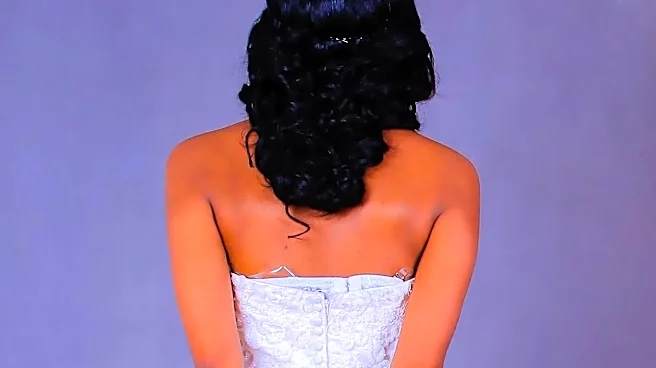
Often, the most impressive waist definition comes from architecture hidden within the garment itself. High-end dresses frequently use internal support systems. This can range from subtle boning in the bodice to create a corset-like effect, to a 'waist stay'—an internal ribbon or band that anchors the dress at the wearer's true waist. A waist stay supports the weight of the garment, preventing it from pulling down or shifting and ensuring the waistline stays perfectly in place. This internal engineering allows the outer fabric to drape flawlessly while the hidden structure does all the heavy lifting.
Artful Draping and Gathering
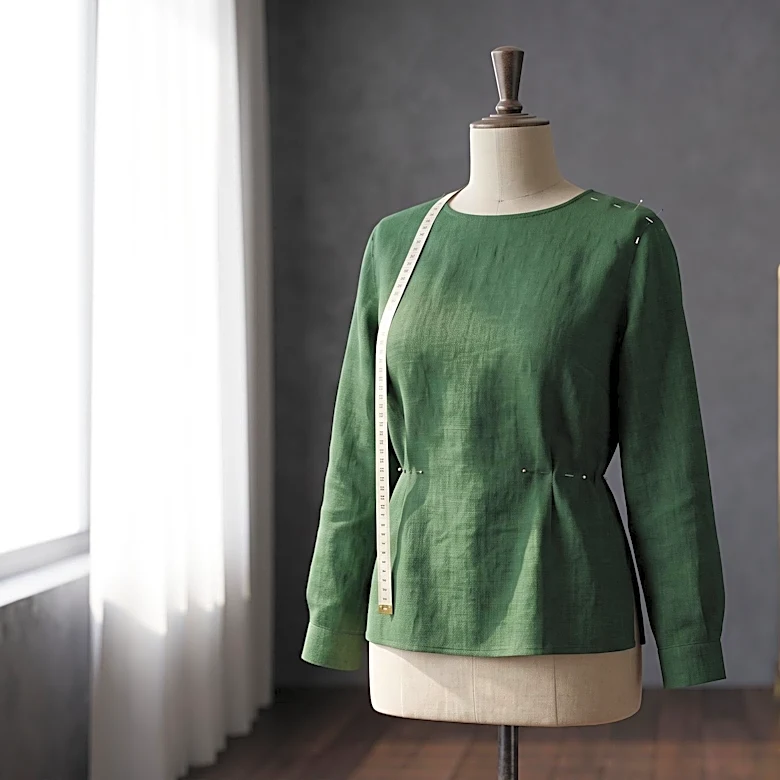
Sometimes, creating a waist is about illusion. Designers can strategically gather, pleat, or drape fabric across the midsection to draw the eye inward and create the impression of a smaller waist. An asymmetrical drape that pulls fabric across the torso or soft ruching concentrated at one side can visually slim the midsection without adding any bulk. This technique is less about rigid construction and more about the artful manipulation of fabric to create flattering lines and shadows, guiding the eye to a cinched focal point.
The Unsung Hero: Fabric and Interfacing
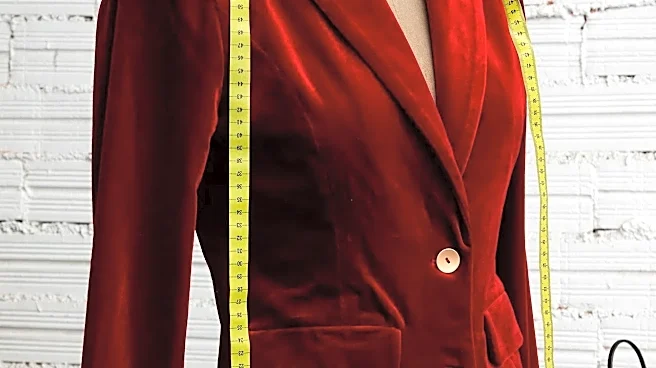
The choice of fabric itself plays a major role. Heavier, more substantial fabrics like satin or certain velvets have enough body to hold a shape on their own. Designers also rely on interfacing, a hidden layer of material that is fused or sewn to the inside of fabric. Interfacing adds stability and stiffness to areas like waistbands or facings, preventing them from stretching out and helping them maintain a crisp, defined line. Though completely invisible from the outside, this reinforcement is crucial for creating a sharp silhouette that lasts.