
A New Kind of Anthem
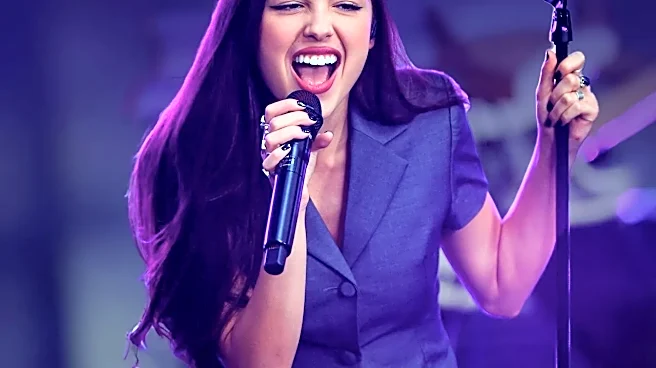
This isn't your parents' concert singalong. The anthems of previous generations—think Queen’s “We Are the Champions” or Bon Jovi’s “Livin' on a Prayer”—were unifying, broad-stroke declarations often belted out in bars. The songs fueling the Rodrigo phenomenon
are different. They are hyper-specific, emotionally raw confessionals about insecurity, heartbreak, and the messy realities of being young. Lyrics about parallel parking, feeling like a “perfect all-American bitch,” or the painful math of a breakup are screamed with cathartic joy. Rodrigo's music acts as a script for feelings many fans haven't been able to articulate themselves, transforming personal angst into a powerful, collective experience. The concert becomes less of a performance and more of a mass therapy session, a ritual of shared understanding.
The Psychology of the Choir
There's a reason singing together feels so good. Psychologists refer to the shared emotional high in a crowd as "collective effervescence," a feeling that can boost well-being and a sense of connection long after the show ends. When thousands of people sing, sway, and feel the same thing at the same time, their bodies can even begin to synchronize. This communal release is powerful, creating a sense of unity and belonging. In an increasingly digital and often isolated world, particularly for a generation whose key social years were disrupted, the craving for this tangible, communal experience is intense. It’s a loud, vibrant rejection of loneliness, a physical manifestation of finding your people and your voice, all at once.
From Mixtapes to Mass Memorization
The singalong itself has evolved. Group singing has been a tool for social bonding for centuries, from folk traditions to wartime choruses. But technology has supercharged the modern version. Where fans once learned lyrics from liner notes or repeated radio plays, today's fans arrive at shows with the entire album already memorized. Streaming services and social media platforms like TikTok allow lyrics and melodies to become deeply embedded in the cultural consciousness before a tour even begins. This pre-show immersion turns the audience from passive listeners into active, prepared participants. Gen Z, now the biggest spenders on live music, prioritizes these high-energy, participatory experiences, viewing them as essential cultural events worth traveling for.
The Artist as Conductor
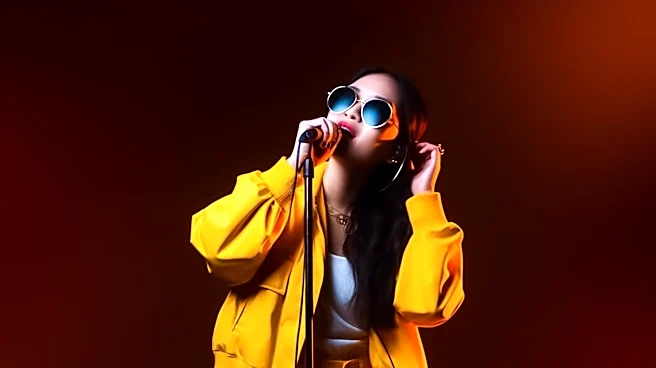
In this new concert dynamic, the artist's role shifts from a simple performer to a facilitator of collective emotion. Rodrigo doesn’t just sing to the crowd; she leads them. She actively encourages the participation, at one point in her show famously prompting fans to let out their anger in a collective scream. This two-way exchange redefines the concert. The audience isn't just an accessory to the main event; they are the main event. It’s a celebration of empowerment and self-acceptance, where the shared act of singing becomes a declaration that your personal, complicated feelings are valid, universal, and worth shouting about at the top of your lungs.