





An Autumn Tradition
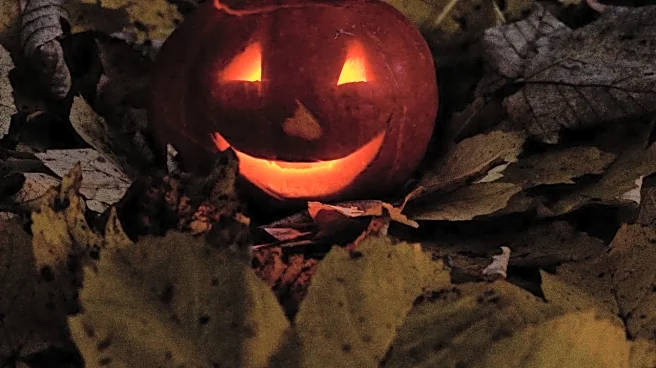
The link between October and the supernatural is practically woven into our cultural DNA. The ancient festival of Samhain, a forerunner to modern Halloween, was built on the idea that the veil between our world and the next was at its thinnest at the end
of the harvest season. While the classic monster movies of the 1930s and '40s, like "Dracula" and "Frankenstein," weren't always October releases, the association was cemented by television. By the 1950s, local TV stations started programming horror movie marathons around Halloween, creating a tradition that primed generations of viewers to seek out scares as the calendar flipped to October. This seasonal craving isn't just nostalgia; it's a conditioned response. The chill in the air and the shorter days create a perfect backdrop for tales of terror. As one film studies teacher noted, Halloween creates a cultural atmosphere where we are more eager to engage with scary themes.
The Business of Fear
Hollywood is, above all, a business of supply and demand. Film distributors understand that an audience primed for fear is an audience ready to buy tickets. Releasing a horror film in October is a smartly timed strategy to maximize box office returns. Franchises like "Halloween," "Saw," and "Paranormal Activity" turned October into their personal hunting ground, often releasing annual or semi-annual installments that dominated the month's box office for years. While data shows that nearly a third of all horror films are released in September and October, the competition can be fierce. Interestingly, some analysis suggests that while more horror movies come out in October, the average demand for each film might be slightly lower than for horror films released in the summer, simply because audiences are so spoiled for choice. Nonetheless, for many studios, owning a weekend in October is a low-budget, high-reward proposition that's too good to pass up.
The Psychology of a Shared Scream
There’s a unique magic to being scared in a room full of strangers. The communal experience of watching a horror movie is a powerful draw. Psychologists suggest that enjoying fear in a controlled environment, like a movie theater, can be cathartic. You get the adrenaline rush and the dopamine hit of a thrilling situation, but your brain knows you're not in any real danger. This experience is amplified when shared. A collective gasp, a scream followed by relieved laughter, or even someone shouting at the screen creates a bond. It transforms a solitary viewing into a group activity, reinforcing feelings of attachment and connection. This desire for a shared scare is especially potent during Halloween season, when the cultural permission to embrace the macabre is at its peak. We seek out these experiences as a way to process our own anxieties in a safe, communal setting.
More Than Just a Jump Scare
The October horror boom isn't just for slasher flicks and ghost stories. The heightened focus on the genre allows different types of horror to find an audience. A quiet, atmospheric folk-horror film might get lost in the summer blockbuster season, but in October, viewers are actively looking to be unsettled in new ways. Films that rely on social commentary or deep psychological dread can thrive when audiences are in a more contemplative, eerie state of mind. The season elevates the entire genre, from big-budget franchise entries to independent psychological thrillers. It's a time when being scared is the main event, not just a niche interest, allowing for a broader and more diverse exploration of what fear can look like on screen. The month-long celebration gives space for everything from haunted house jump-fests to films that leave you thinking long after the credits roll.