





Before 1978, the slasher film was a niche curiosity. After 1978, it was a box office force. The difference was John Carpenter's 'Halloween,' a low-budget indie that didn't just terrify audiences—it created a monstrously profitable blueprint.
Horror Before Haddonfield
To understand
the impact of 'Halloween,' you have to know what horror looked like before Michael Myers came home. The 1970s were a golden age for the genre, but it was dominated by supernatural spectacles like 'The Exorcist,' creature features like 'Jaws,' and gritty, psychological thrillers. Films like 'The Texas Chain Saw Massacre' (1974) and 'Black Christmas' (1974) had elements of what we'd now call a slasher, but they hadn't yet coalesced into a replicable formula. Horror was often set in remote, rural locations or dealt with demonic forces far removed from everyday life. The suburbs, with their quiet streets and tidy lawns, were still considered safe. 'Halloween' was about to change that forever, proving that the most terrifying threats could be lurking right behind a hedge in your own neighborhood.
A Masterclass in Minimalism
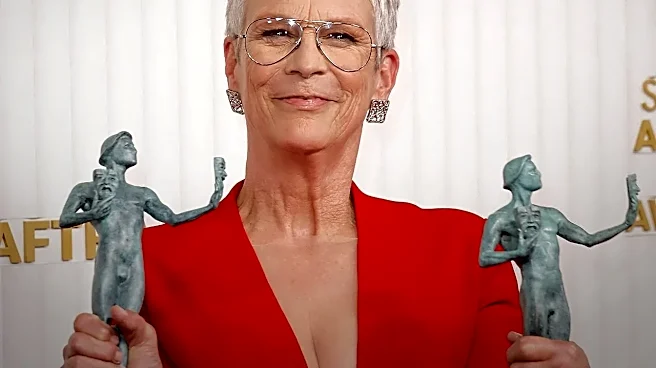
Released in October 1978, 'Halloween' was the definition of an underdog. Director John Carpenter, then only 30, worked with a tiny crew and a budget of around $300,000. The cast was composed of largely unknown actors, with Jamie Lee Curtis making her film debut for a salary of just $8,000. The film's premise was brutally simple: an escaped patient from a sanitarium returns to his hometown to stalk and murder teenagers on Halloween night. Producer Irwin Yablans' initial concept was simply called 'The Babysitter Murders'. But Carpenter elevated it with masterful technique. He used the then-new Panaglide camera to create long, suspenseful tracking shots that put the audience in the killer's shoes. Rather than relying on gore, he built tension through atmosphere, shadows, and one of the most iconic and unnerving film scores ever created—which he composed himself in just a few days.
The Slasher Blueprint Is Born
The film was a spectacular, word-of-mouth success, eventually grossing over $70 million worldwide and becoming one of the most profitable independent films in history. Hollywood executives took notice not just of the profit, but of the formula. For the first time, there was a clear, low-risk, high-reward blueprint for a horror film. The key ingredients were all there: a silent, masked, seemingly unstoppable killer; a group of teenagers whose transgressions (sex, drinking) made them targets; and the 'Final Girl,' a resourceful, virginal heroine who survives to confront the monster. The suburban setting was crucial—it was relatable and shattered the illusion of safety in middle America. The holiday theme also proved to be a genius marketing hook.
The Golden Age of Slashers
'Halloween's' success opened the floodgates. The period from 1978 to 1984 is now known as the 'Golden Age' of the slasher film, with studios rushing to replicate Carpenter's model. The most famous 'Halloween' disciple was 'Friday the 13th' (1980). Producer Sean S. Cunningham was so confident in the formula that he took out an ad for the film based on the title alone, before a script was even written, securing funding by capitalizing on the holiday-horror trend. While 'Halloween' was praised for its suspense, 'Friday the 13th' and its imitators, like 'My Bloody Valentine' and 'Prom Night,' upped the ante on gore and body counts, but the core structure remained the same. An entire subgenre was built on the foundation laid by Michael Myers, from his silent demeanor and iconic mask to the very idea of a killer returning for sequel after sequel. He wasn't just a character; he was a business model that defined horror for a generation.