


The Scent of a Vanishing World
To understand L'Heure Bleue, you have to transport yourself to Paris in 1912. It was the twilight of the Belle Époque, a period of peace and artistic flourishing just before the world plunged into the chaos of World War I. The perfumer, Jacques Guerlain,
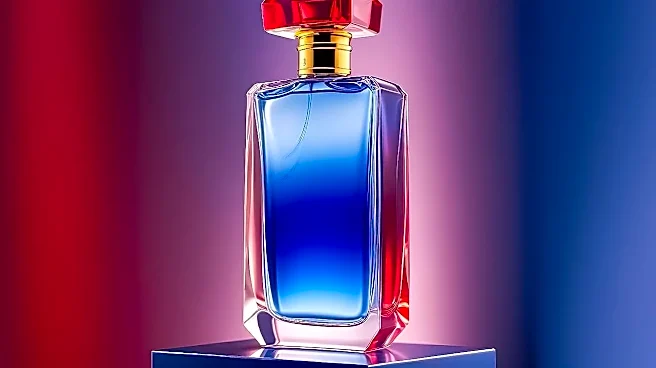
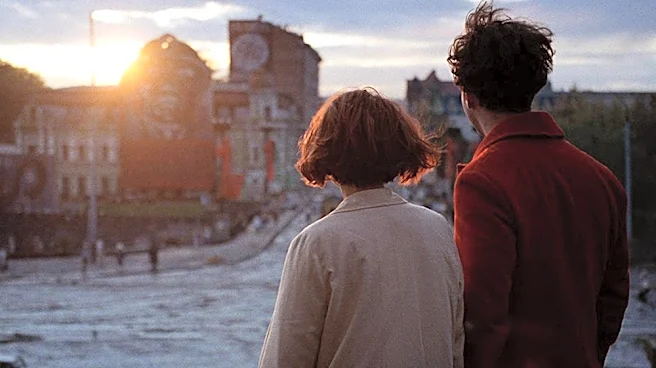
was inspired during an evening walk along the Seine. He was captivated by what the French call 'l'heure bleue' or 'the blue hour'—that fleeting, magical moment between sunset and darkness when the sky is a deep, velvety blue and the world feels suspended in tranquil silence. He famously said, "I felt something so intense, I could only express it in a perfume." The resulting fragrance was not just a scent, but an atmosphere. It captured the romantic, slightly melancholic feeling of an era that was about to disappear forever, bottling the feeling of beautiful stillness before the storm.
An Impressionist Painting in a Bottle
Unlike many of today’s straightforward, easy-to-read perfumes, L'Heure Bleue is a complex olfactory painting. Its beauty is in its contrasts and its almost undefinable nature. The opening is a soft, slightly medicinal blend of anise and bright bergamot. This quickly melts into a lush, powdery heart of flowers. Think of a bouquet of carnation, neroli, violet, and iris, but not fresh-cut; they’re more like preserved, almost candied blossoms. This floral core is what gives the fragrance its signature nostalgic, almost marshmallow-like softness, a quality derived from the heliotrope note. The magic happens in the dry-down, where a warm, enveloping base of vanilla, tonka bean, and musk emerges, giving it a comforting yet mysterious finish. It’s a 'floriental' that feels both plush and cerebral, a scent that seems to shift and reveal new facets with every wear.
The Antithesis of a Modern Trend
Modern fragrance trends often lean toward clean, minimalist compositions, intensely fruity gourmands, or loud, performance-driven scents designed for maximum projection. L’Heure Bleue is the quiet opposite. It isn't loud; it draws you in. It doesn't scream a single, obvious note; it presents a complex, blended accord that is hard to pin down. While many new fragrances are designed for mass appeal and immediate likeability, L'Heure Bleue has a reputation for being somewhat 'difficult.' It requires a moment of quiet contemplation to appreciate. Its powdery, slightly melancholic character stands in stark contrast to the bright, energetic scents that dominate the current market. This refusal to conform is precisely its strength. It’s not a fragrance you wear to please others; you wear it for yourself, as an intimate signature.
A Legacy of Quiet Confidence
For over a century, L'Heure Bleue has been passed down through generations, beloved for its timeless elegance. It is not a perfume that feels 'dated,' but rather, 'historical.' Its endurance proves that a fragrance doesn't need to follow trends to remain relevant. Its power lies in its ability to evoke a specific, deeply human emotion—a sense of peaceful nostalgia and romantic introspection. Even Guerlain recognizes the unique space it occupies. In 2026, the house launched a new interpretation by perfumer Delphine Jelk, designed not to replace the original but to continue its story for a new generation, using modern techniques to capture that same blue-hour feeling. The 1912 classic remains, a testament to the idea that true artistry doesn’t age. It simply waits to be rediscovered.