




The Rise of the $20 Million Episode
Welcome to the era of cinematic television, where the line between a blockbuster film and a premium streaming series has all but vanished. The shows dominating this year's Emmys aren't just well-written; they are staggering feats of production. For context,
the final season of HBO's original 'Game of Thrones' cost around $15 million per episode. Its successor, 'House of the Dragon,' operates with a budget of just under $20 million per episode. That figure, once eye-watering, now looks almost efficient compared to its competitors. Netflix's 'Stranger Things' reportedly commands $30 million per episode for its latest season, while its ambitious sci-fi epic '3 Body Problem' launched with a $20 million-per-episode price tag. But the undisputed champion of spending is Amazon's 'The Lord of the Rings: The Rings of Power,' with its first season costing a jaw-dropping $465 million, which averages out to nearly $58 million per episode. This isn't just a trend; it's a new baseline for prestige television, where budgets routinely eclipse those of mid-size feature films.
Where the Money Really Goes
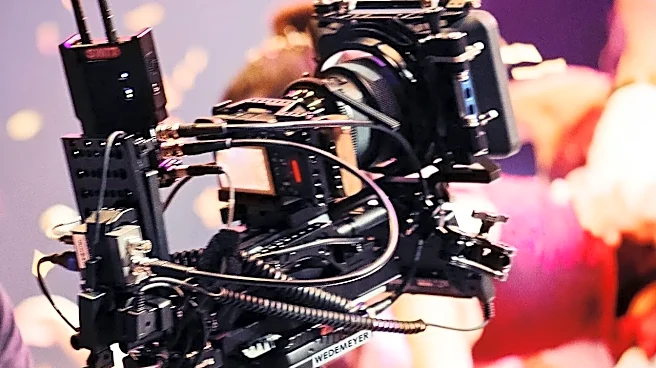
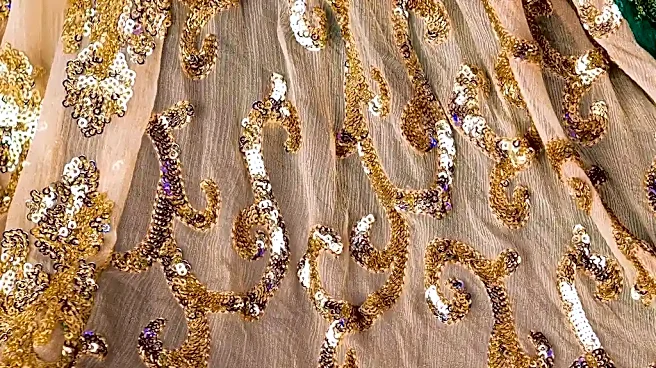
So, what are these tens of millions buying? It's not just star salaries. The biggest costs are now 'below-the-line'—the tangible elements of production. Visual effects (VFX) are a primary driver. Creating photorealistic dragons, sprawling alien worlds, or de-aging actors requires thousands of hours from expensive VFX artists. Building physical worlds is another major expense. Shows like 'House of the Dragon' and 'The Rings of Power' build massive, intricate sets and film in exotic, often expensive, locations across the globe to achieve their epic scale. Add to that the cost of period-accurate or fantasy-inspired costumes, A-list directors and cinematographers who bring a film-level aesthetic, and complex sound design that wins its own Emmys. A single replica of Queen Elizabeth's wedding dress for 'The Crown' cost a reported $35,000. Each element is a significant line item in a budget designed to deliver spectacle and signal quality to a discerning audience.
The ROI of Prestige Television
Spending $200 million or more on a single season seems like a wild gamble, but for streaming giants, it's a calculated business strategy. In the hyper-competitive streaming wars, where global content spending is projected to hit $255 billion in 2026, prestige shows are the ultimate weapon. These 'tentpole' series are not just meant to be watched; they are meant to drive subscriptions, retain existing customers, and define a platform's brand. A show like 'House of the Dragon' ensures subscribers stay with HBO Max, while a title like 'Stranger Things' can bring millions of new users to Netflix. Winning a haul of Creative Arts Emmys for cinematography, costumes, or effects becomes a powerful marketing tool. It validates the investment and reinforces the platform's reputation for quality, making it easier to attract top-tier talent for future projects. This spending is less about the profitability of a single show and more about the long-term health and perceived value of the entire service.
An Arms Race with a Ceiling?
While streamers will collectively spend over $100 billion on content this year, the era of unlimited growth may be ending. The pressure to turn a profit is mounting, and Wall Street is no longer just rewarding subscriber growth. This has led to a strategic shift across the industry. You see it in the rise of cheaper, ad-supported subscription tiers, which have become a major source of new signups. You also see it in budget-conscious decisions, like HBO's reported efficiency in keeping 'House of the Dragon's' costs from spiraling by leveraging its experience from 'Game of Thrones'. While no one expects the biggest fantasy and sci-fi epics to suddenly become cheap, the industry is showing signs of fiscal discipline. The billion-dollar gambles on new franchises will likely continue, but they will be balanced with a more rigorous focus on return on investment, forcing producers to prove that cinematic television is not just an art form, but a sustainable business.