







Act I: The Perfect New Friend
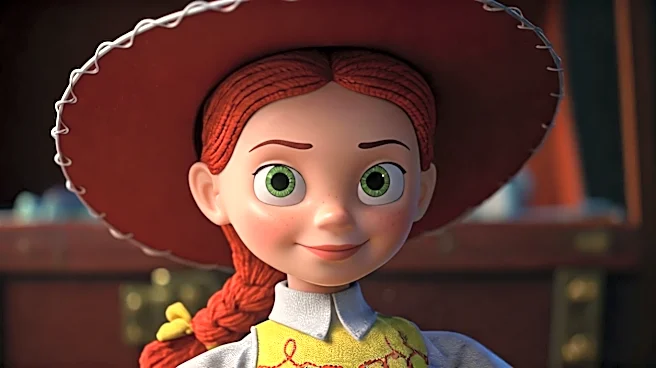
Every great toy story begins with a magical introduction. For Andy, it was a talking cowboy doll. For today’s kids, it’s a robot that recognizes their face, a stuffed animal that learns their favorite stories, or a digital companion that promises to be their ‘best
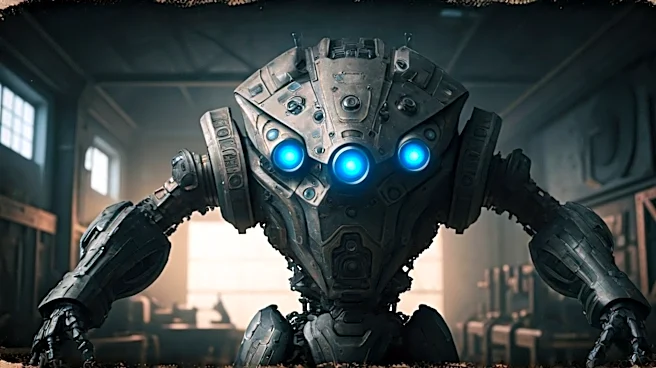
friend forever.’ Companies like Miko, Snorble, and Roybi are marketing more than just playthings; they’re selling personality. Their creations use AI to hold conversations, remember details, and adapt to a child’s unique quirks. The sales pitch is intoxicating for parents and irresistible for kids: a toy that isn’t just an object, but a presence. It’s the fantasy of Toy Story made real—a friend who comes to life the moment you enter the room, ready to listen, learn, and play. This isn't just a gadget; it's presented as the beginning of a beautiful, personalized friendship, coded just for them.
Act II: The Deepening Bond
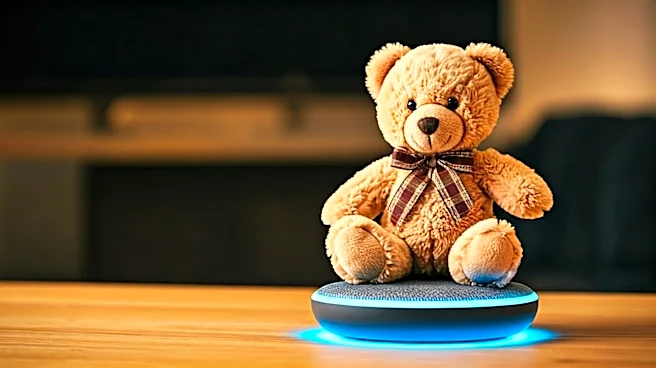
In a Pixar film, this is the montage sequence. We see the child and their toy become inseparable, sharing secrets, going on imaginary adventures, and weathering childhood’s small storms together. The toy becomes a silent (or not-so-silent) keeper of secrets, a furry shoulder to cry on. With AI toys, this bond is amplified. A child tells their AI-powered bear about their bad day at school, and the bear responds with a comforting, algorithmically generated phrase. It remembers their birthday. It tells them a custom bedtime story. This programmed intimacy creates a powerful illusion of a genuine relationship. The child isn’t just projecting feelings onto an inanimate object; the object is actively feeding the connection with data-driven responses. This is where the emotional stakes get dangerously high. The toy graduates from being a possession to being a perceived entity, a character in the child’s own life story, just as Woody was central to Andy’s.
Act III: The Inevitable Disruption
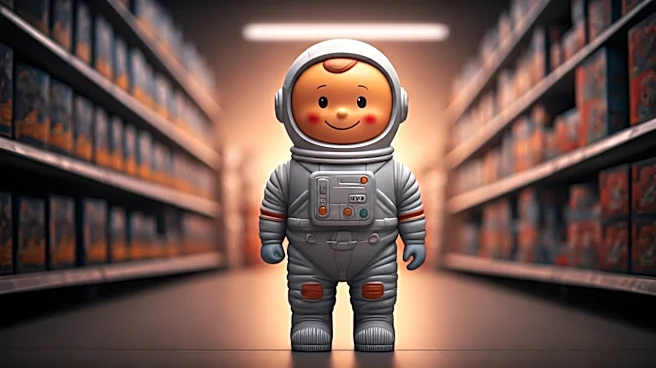
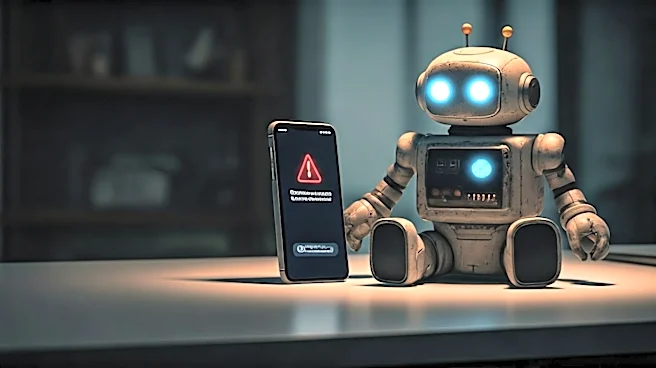
Here comes the plot twist, the moment every Pixar fan dreads. For Woody, it was the arrival of the shiny, new Buzz Lightyear. For today’s tech toys, the disruption is built into their very design. It could be the release of a newer, smarter model that makes the old one look obsolete. It could be the end of a subscription service, suddenly locking away the ‘personality’ behind a paywall. Or, most brutally, the startup that created the toy could go out of business, turning off the servers and instantly rendering the once-chatty companion inert. This isn’t like outgrowing a simple teddy bear, which can be lovingly stored in an attic, its sentimental value intact. This is an active severing. The ‘friend’ doesn’t just fall silent; its very soul—the cloud-based AI that powered its personality—is unplugged. It's the digital equivalent of watching a beloved character fade away.
The Digital Attic of Lost Toys
The final act of a Pixar movie often deals with loss, memory, and finding a new purpose. But what is the new purpose for a deactivated AI toy? It sits on the shelf, a monument to a terminated connection. It’s not just an old toy; it’s the shell of a friend who has, for all intents and purposes, vanished. The object remains, but the personality—the very thing the child bonded with—is gone. This creates a uniquely modern form of grief. The toy didn’t break; its service was discontinued. It wasn’t lost; it was bricked. This is the tearjerker moment waiting to happen in thousands of homes. It’s the quiet tragedy of a toy that promised to be a lifelong friend but came with terms and conditions, an end-of-life plan written in corporate spreadsheets, not heartfelt goodbyes. The inevitable heartbreak isn’t a flaw in the product; in many ways, it’s a feature of its business model.