






Setting the Stage for Success
Before you even turn the steamer on, a little prep work goes a long way in protecting your formalwear. First, always hang the garment properly on a sturdy hanger, preferably one with padding to protect the shoulders. This should be done in a clear, open
area where you can move freely and the garment isn't touching the floor or walls. Next, fill your steamer’s reservoir. While many steamers can handle tap water, experts overwhelmingly recommend using distilled or demineralized water. Tap water contains minerals that can build up inside the machine over time, leading to spitting and potential staining on your delicate fabrics. Once filled, let the steamer heat up completely—this can take a few minutes. Using it before it’s ready can result in it spitting hot water instead of producing a fine, consistent mist.
Mastering the Universal Technique
The fundamental technique for steaming is consistent across most fabrics. Hold the steamer nozzle several inches away from the garment; a distance of three to six inches is a safe starting point. Never press the hot plate directly onto delicate fabrics unless your steamer has a specific attachment designed for that purpose. Begin steaming from the top of the garment and work your way down in slow, vertical strokes. Use your free hand to gently pull the bottom of the fabric taut. This combination of gentle tension and steam helps the fibers relax and release wrinkles more effectively. For the best results, steam the garment from the inside whenever possible. This allows the steam to penetrate the fabric without direct exposure to the more visible outer side, reducing the risk of water marks or texture changes.
Handling the Divas: Special Fabrics
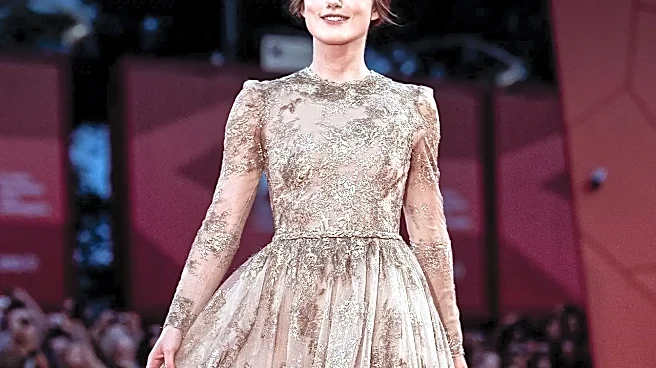
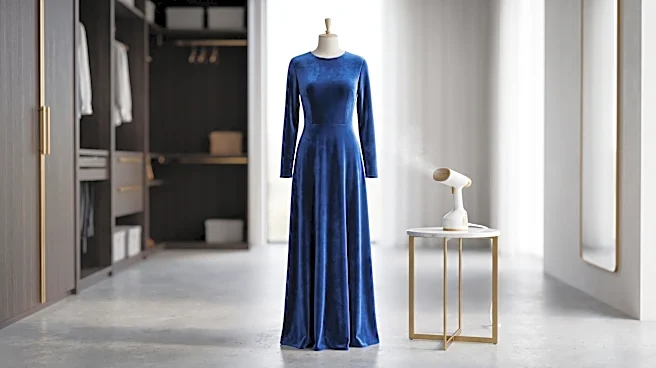
Not all formalwear is created equal. The most delicate materials require a special touch. For silk and satin, maintain a safe distance and consider steaming the garment inside-out to protect its natural sheen. For chiffon and tulle, keep an even greater distance and use gentle, sweeping motions. Velvet is perhaps the trickiest. You must never let the hot steamer head touch the fabric directly, as this will crush and permanently flatten the pile. Hold the steamer at least six inches away and, ideally, steam the garment from the reverse side to let the steam gently plump the fibers from behind. For dresses with beading, sequins, or other embellishments, avoid applying steam directly to them. Heat can melt, warp, or loosen adhesives. Instead, hover the steamer nearby or steam from the inside, letting the ambient steam do the work without direct contact.
Common Mistakes to Avoid
Knowing what not to do is just as important. A primary mistake is over-steaming one area, which can saturate the fabric and potentially leave water spots or cause stiffness once it dries. Keep the steamer moving at all times. Another pitfall is putting the garment on immediately after steaming. The fabric will be slightly damp, and wearing it right away can cause new wrinkles to set in. Allow the piece to hang and air-dry completely for at least 10 minutes. Finally, if you don’t own a steamer, a common alternative is hanging the garment in a bathroom while running a hot shower. This can work for minor wrinkles, but ensure the clothing is hung far from the water flow to avoid getting it wet. This passive method works by letting the room fill with steam, gently relaxing the fabric's fibers over 20 to 30 minutes.