







What Exactly Is a Tonal Look?
Tonal—or monochromatic—makeup is the art of using a single color family across your eyes, cheeks, and lips. Think dusty rose, warm terracotta, rich bronze, or even a soft lilac. The goal is to create harmony by using different shades, sheens, and textures
of one core color. This approach differs from looks that balance a neutral eye with a bold lip, for instance. Instead, every feature complements the others, resulting in an effortlessly chic and unified aesthetic that always looks intentional and put-together. It’s a favorite of celebrity makeup artists for its ability to enhance features without overwhelming them.
Step 1: Choose Your Signature Hue
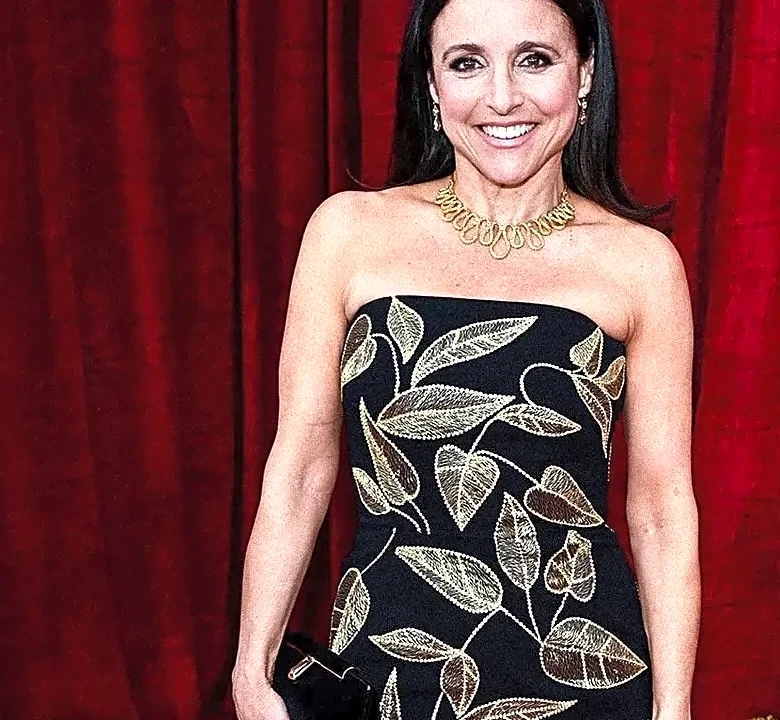
The first and most important step is selecting your color story. This can be inspired by your outfit, your mood, or simply a color that makes you feel great. Peachy-pinks, warm browns, and rosy nudes are universally flattering starting points. For a more dramatic effect, consider deeper berry or copper tones. When in doubt, look at the undertones in your outfit. A dress with gold accents pairs beautifully with bronze and golden-brown makeup, while a navy or silver outfit can be a stunning backdrop for cool-toned mauves or plum shades.
Step 2: Build a Radiant, Flawless Base
A tonal look shines brightest against a clean, luminous canvas. Red carpet experts consistently emphasize that great makeup starts with great skin prep. Begin with a lightweight moisturizer to hydrate the skin, followed by a primer to smooth texture and extend wear time. Choose a foundation that enhances your skin rather than masking it. Celebrity makeup artists often mix a drop of liquid highlighter into foundation to create a glow that seems to come from within. The idea is to perfect the skin so the chosen color can truly pop without competing with redness or unevenness.
Step 3: Define the Eyes with Depth and Texture
This is where the tonal method comes to life. Using your chosen color family, apply a light wash of the softest shade all over the eyelid. Then, take a medium tone and blend it into the crease to create soft definition. According to makeup artists, the deepest part of your makeup should be in the natural recesses of the face, like the eye sockets. Use the darkest shade in your palette as a liner along the lash line, smudging it slightly for a modern, diffused effect. Don't be afraid to mix textures; a matte shadow in the crease with a shimmery shade on the lid adds dimension.
Step 4: Sculpt with a Cohesive Flush
To maintain the monochromatic harmony, your blush should belong to the same color family as your eye makeup. Using a cream or liquid blush can create a more natural, dewy finish that looks great on camera and in person. Apply the blush to the apples of your cheeks and sweep it upward toward your temples. This technique lifts the face and seamlessly connects the cheek color to the eye area. The key is to build the color gradually to avoid an overpowering effect. It should look like a natural flush that just happens to be in the perfect tone.
Step 5: Complete the Look with Lips
The final step is the lips, which tie the entire look together. You have a few options within your tonal framework. You could opt for a sheer balm or gloss in your chosen hue for a subtle finish. For more impact, a satin or matte lipstick in a shade that matches your blush creates a powerful, unified statement. You can also choose a color that is one or two steps deeper than your blush to anchor the look without breaking the monochromatic rule. Make sure lips are exfoliated and moisturized first to ensure a smooth application.