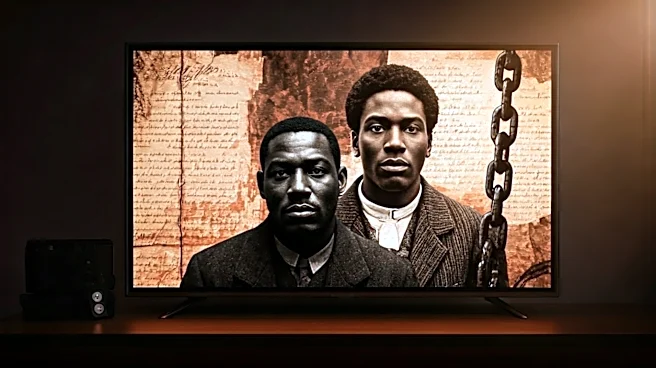









Joy, Trauma, and a 22-Minute Runtime
Here's the central problem: How do you tell a story about the end of chattel slavery—a brutal, centuries-long institution—within the constraints of a television episode? A Christmas episode gets to be about family and consumerism. A Halloween episode is about candy
and scares. But a Juneteenth episode must, by definition, confront the historical horror of slavery while also celebrating the liberation that followed. It’s a creative tightrope walk over a canyon of tonal pitfalls. Lean too hard into the trauma, and you risk creating something preachy, depressing, or unwatchable for a mainstream audience expecting entertainment. Lean too far into celebration, and you risk trivializing the gravity of what’s being commemorated, turning a day of liberation into just another excuse for a barbecue. This isn't just a writing challenge; it's a directorial one. The mood, pacing, and visual language must navigate this duality without giving the viewer emotional whiplash.
The 'Schoolhouse Rock!' Approach
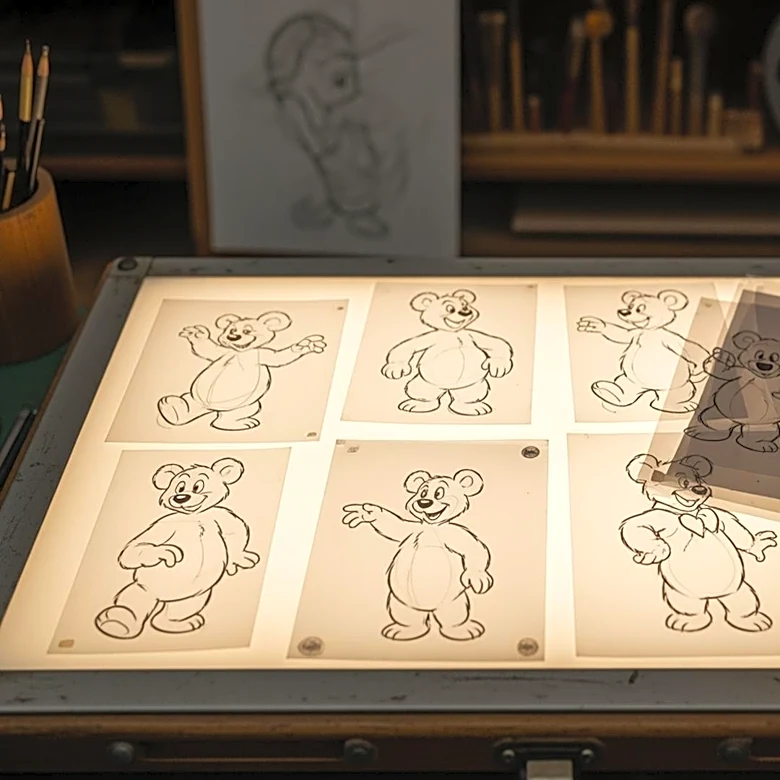
Perhaps the most famous attempt to solve this problem came from ABC’s *black-ish*. In its 2017 episode, “Juneteenth,” the show turned the holiday’s history into a vibrant, animated musical in the style of *Schoolhouse Rock!*. The Johnson family, attending a school play, watches as historical figures sing about the delayed emancipation of enslaved people in Texas. This was a brilliant solution for a network sitcom. By using animation and song, creator Kenya Barris and his team made the subject matter accessible—even palatable—for a family audience. The songs, with lyrics by The Roots, were catchy but unflinching, referencing the Fugitive Slave Act and the brutal realities of bondage. The strategy was clear: if you can't show the horror directly, translate it into a medium that educates without traumatizing. It’s a powerful choice, though it risks being seen as simplifying a complex history for mass consumption. For *black-ish*, the goal was to introduce the holiday to an audience that might not know it existed, and in that, it was a resounding success.
The Uncomfortable Party Guest
Donald Glover’s *Atlanta* took a completely different, almost opposite, path. Its first-season episode, also titled “Juneteenth,” barely touches on the historical facts. Instead, it uses the holiday as a backdrop for scathing social satire. Earn and Van attend an upscale Juneteenth party hosted by a wealthy, performative white liberal and his Black wife. The event is a cringeworthy spectacle of cultural appropriation and virtue signaling, from the “Juneteenth-themed” cocktails to the host’s dramatic reading of a slam poem about Black suffering. Here, the directorial problem is solved by sidestepping the historical reenactment entirely. The episode isn’t about what Juneteenth *was*; it's about what it’s *become* in certain circles—a commodified, awkward performance of allyship. The horror isn't in flashbacks to slavery but in the subtle, present-day horror of having your history co-opted and misunderstood. It’s a less direct, more cynical approach that trusts the audience to understand the critique without a history lesson.
Beyond the 'Very Special Episode'
Between the educational maximalism of *black-ish* and the satirical minimalism of *Atlanta* lies the future of Juneteenth on screen. Now a federal holiday, Juneteenth is poised to become a recurring theme in television, moving beyond the “very special episode” format. Shows like *Sherman's Showcase* have used sketch comedy to poke fun at the holiday's newfound mainstream status, while dramas may explore its legacy through more somber, character-driven stories. The challenge remains the same, but the toolkit is expanding. The question is no longer *if* television will acknowledge Juneteenth, but *how*. Will it be absorbed into the predictable rhythm of annual holiday episodes, or will creators continue to find inventive, challenging ways to explore its dual themes of pain and freedom? The answer will likely be a mix of both, reflecting the holiday's own journey into the center of American public life.