
For years, the quickest way to give a shapeless winter outfit some form was to cinch it with a belt. But this old-school trick often adds fuss and unflattering bulk. It's time for an update with fresher, more sophisticated styling solutions.
Why the Belt Rule Is Fading
The logic
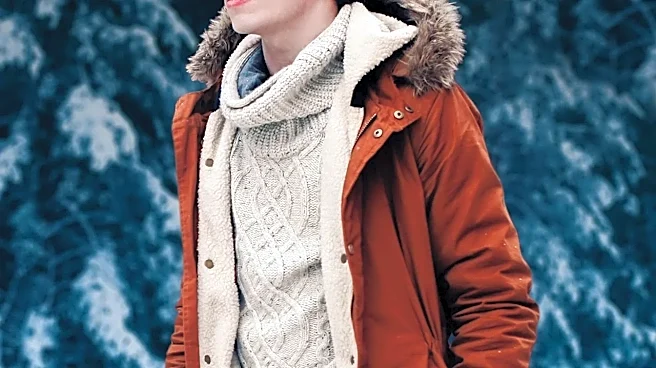
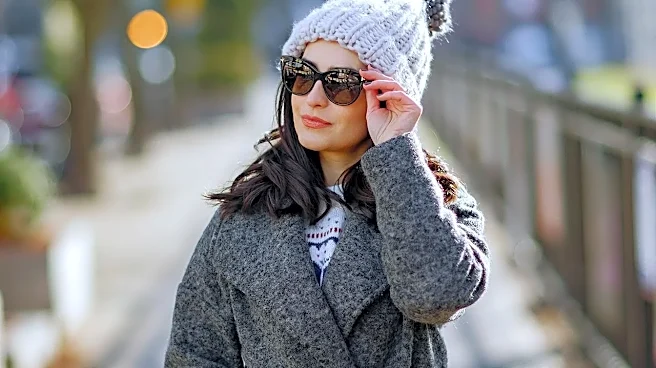
behind belting a bulky coat or a chunky knit sweater was simple: create a waist. While well-intentioned, the execution can be clumsy. Squeezing a thick puffer coat or a heavy wool cardigan with a thin strip of leather often results in awkward bunching above and below the belt, making you look more stuffed, not more streamlined. The fabric puffs out, creating a silhouette that feels forced and can even add visual pounds. Modern styling is less about forcing a shape and more about working with proportions and textures to create definition in a more effortless, integrated way. The goal has shifted from 'cinching' to 'structuring'.
Master the Art of the Tuck
The easiest way to define your waist without a belt is the strategic tuck. For oversized and chunky sweaters, the 'French tuck'—tucking just the very front of the hem into your jeans or trousers—is a game-changer. This simple move creates a focal point at your waist, suggests a cleaner line, and allows the rest of the sweater to drape naturally without overwhelming your frame. It gives the impression of a longer leg line while maintaining that cozy, slightly undone feel. This works best with high-waisted bottoms, as it draws the eye to the narrowest part of your torso and balances the volume of the knit.
Embrace Cropped Silhouettes
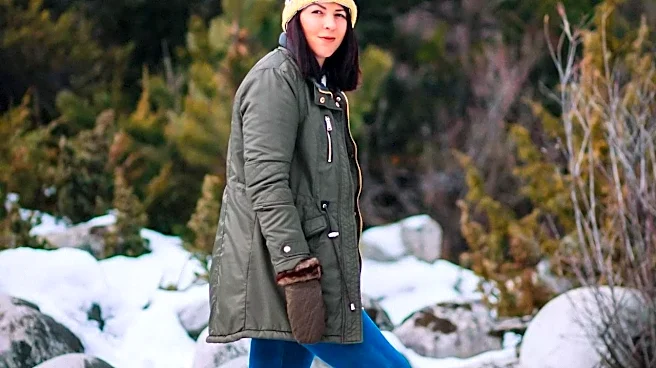
Instead of adding a layer to create a waist, let the cut of your clothes do it for you. Cropped sweaters and jackets are your best friends when it comes to styling bulky layers. A chunky knit that ends at your natural waist automatically highlights that area, especially when paired with high-waisted pants or skirts. The same goes for coats; a shorter puffer or shearling jacket that hits at the hip avoids the Michelin Man effect of longer, belted styles by keeping your lower body streamlined. This play on proportions is a core principle of modern layering.
Let a Structured Coat Do the Work
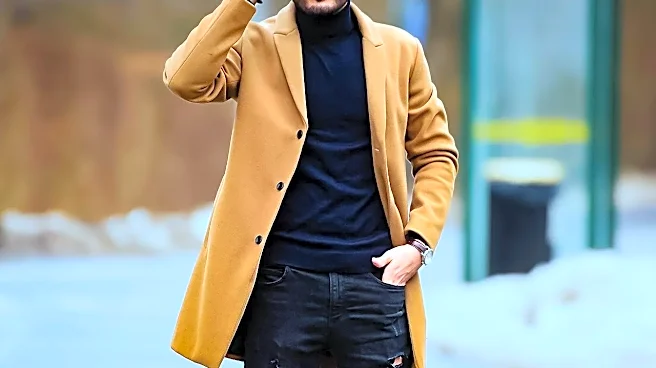
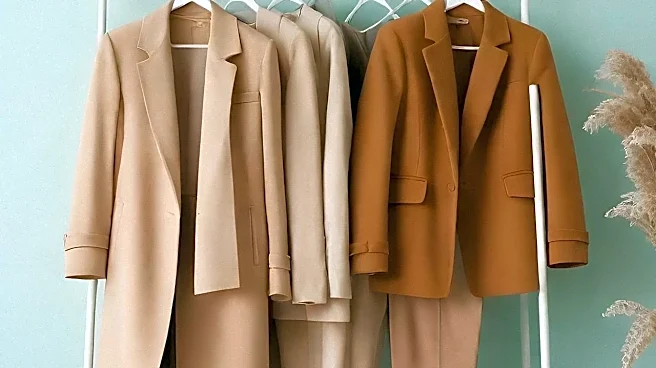
Sometimes the answer isn't to add something, but to choose a better foundation. Instead of a shapeless, oversized coat that you feel compelled to belt, opt for outerwear with built-in structure. A well-made wool-blend coat with defined shoulders and a tailored waist will create a polished silhouette all on its own, no belt required. These pieces are designed to give shape, skimming the body rather than hiding it. Even a puffer jacket can have structure; look for styles with thoughtful quilting patterns or a fit that's snugger at the shoulder and waist to avoid a blocky look.
Use a Crossbody Bag as a Visual Cinch
Accessories can define your shape without being a belt. A crossbody bag, worn so the strap cuts diagonally across your torso, is a stylist's secret weapon for breaking up the visual bulk of a big coat or sweater. It creates a new, flattering line that draws the eye inward and gives the illusion of a waist. This works especially well with puffer coats and thick, open-front cardigans where a traditional belt would feel cumbersome. It's a functional, modern way to add definition and carry your essentials, proving that style and practicality can go hand-in-hand.
Play with Monochromatic Layering
Dressing in a single color or shades of the same color family is one of the most effective ways to create a long, lean line. When you wear a cream sweater with ivory trousers and a camel coat, the eye travels vertically without interruption. This streamlined effect naturally elongates your frame, reducing the need to physically cinch your waist with a belt. The continuous column of color makes the entire outfit feel cohesive and polished, and the bulk of the layers becomes less noticeable. Mixing textures within your monochromatic look—like a ribbed knit with smooth wool—adds depth and keeps it from feeling flat.