
More Than Just an Awards Show
When VH1 debuted "Hip Hop Honors" in 2004, the music landscape was saturated with awards shows focused on the present. The Grammys and MTV Video Music Awards celebrated current hits, but there was no mainstream, televised event dedicated to honoring the architects
of the culture. "Hip Hop Honors" filled that void with a clear and powerful mission: to canonize the pioneers of the genre. Instead of just awarding the hottest track of the year, the show dedicated its entire runtime to celebrating the careers of foundational figures like Run-DMC, Public Enemy, Tupac, and Grandmaster Flash. By doing so, it deliberately shifted the focus from transient popularity to lasting influence, treating hip-hop's history with the same reverence afforded to rock and roll legends.
The Power of the Tribute Performance
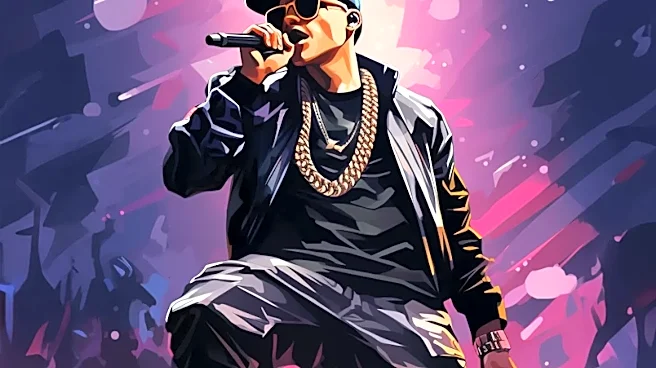
The show's true genius lay in its central format: the tribute performance. Each segment saw contemporary stars of the era performing classic songs by the night's honorees. This wasn't just a cover; it was a televised passing of the torch. When the Beastie Boys performed Run-DMC's "Sucker MC's" at the inaugural show, or when Eminem and The Roots paid tribute to LL Cool J years later, it created an explicit link between generations. For a casual viewer, hearing a current favorite like T.I. or Common rap the verses of Big Daddy Kane instantly contextualized the pioneer's impact. These performances weren't just entertaining; they were educational, demonstrating how the flows, styles, and stories of the '80s directly shaped the sounds of the 2000s.
Building a Living, Breathing Canon
Over its initial run from 2004 to 2010, the show defined the hip-hop canon for a generation of viewers. The honorees spanned the culture's five pillars, celebrating not just MCs but also DJs like Kool Herc, graffiti artists, and filmmakers. The list of those honored is a roll call of legends: Rakim, Slick Rick, Salt-N-Pepa, Ice Cube, and A Tribe Called Quest, among many others. By presenting these artists in primetime with high-production value, VH1 gave them a platform for their stories to be told to an audience far beyond hardcore fans. The show valued historical significance over commercial success, a stark contrast to other awards shows, which helped solidify the legacies of artists who may have been overlooked by mainstream metrics.
Prime-Time Validation and Lasting Legacy
Placing this celebration on VH1, a major cable network, was a revolutionary act in itself. It took the history of hip-hop out of specialized documentaries and magazines and placed it squarely in American living rooms. For many viewers, it was the first time they were formally introduced to figures who had laid the groundwork for the music dominating their radios. The show returned after a six-year hiatus to honor the women of hip-hop in 2016 and the '90s in 2017, celebrating figures like Queen Latifah, Missy Elliott, and Lil' Kim. These later editions continued the mission of ensuring that the genre's trailblazers received their flowers. By treating hip-hop's lineage as a vital piece of American music history, the show did more than entertain; it educated, validated, and preserved a legacy for all to see.